A backyard pool is one of the best things about living in a hot, dry place, but it asks for something in return. When the air loses its moisture, and the sun sits high for months at a stretch, the water changes faster than most people expect. Levels drop, chemistry drifts, and the surface collects a fine layer of grit that seems to appear overnight.
Pool owners in Chandler know the feeling well: the water looked fine yesterday, and today it looks tired. Understanding what the dry season does to a pool makes it far easier to stay ahead of the problems it creates.
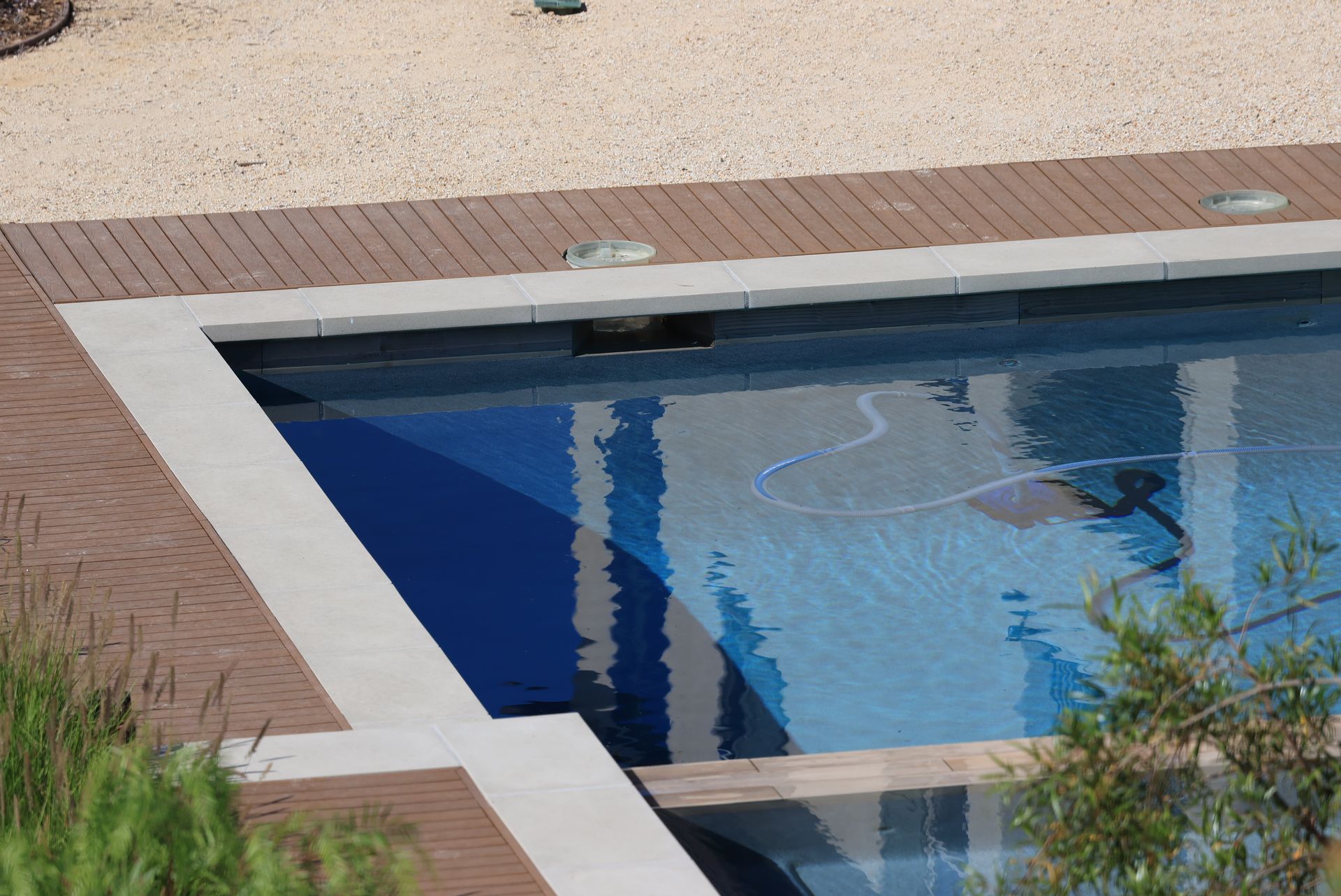
Keeping Water Clear When the Air Turns Dry
Long stretches of heat and low humidity put steady pressure on any body of water sitting out in the open. Pool cleaning becomes harder to keep up with in these conditions, because the work never pauses long enough for an owner to catch up, and a missed week or two allows small imbalances to turn into visible problems.
A dependable local maintenance service takes that burden off the owner and holds the water in a steady, healthy condition through the worst of the season. If you are also looking for reliable pool cleaning Chandler has excellent professionals ready to keep your water clear all season long.
Why Dust and Debris Build Up So Quickly
Dry air carries a great deal more loose material than damp air does. Fine dust travels on the smallest breeze, settles on the surface of the water, and then sinks toward the floor where it forms a dull film.
Pollen, dried leaves, insects, and bits of landscaping gravel all end up in the same place. In wetter climates, rain washes much of this material away before it accumulates. In a dry season, nothing washes it away at all.
The trouble is not just how the surface looks. Every particle that lands in the water gives bacteria and algae something to feed on, and every particle that reaches the floor eventually passes through the filter.
The Effect of Evaporation on Water Chemistry
Heat pulls water out of a pool at a surprising rate. What many owners miss is that evaporation takes the water but leaves everything dissolved in it behind. Salts, minerals, and the residue of past treatments stay in the pool and grow more concentrated with every inch that disappears.
This is why chemistry drifts so much faster in dry months. Readings that were correct at the start of the week can be well out of range by the end of it. Topping the pool up with fresh water helps, but it also dilutes some measures while doing nothing about others, so the balance shifts again.
Algae Growth and What Encourages It
Warm water, strong sunlight, and weak sanitizer levels are all an algae bloom needs. Once it starts, it moves quickly. The first sign is usually a slight cloudiness or a green tint that catches the eye at a certain time of day. Within a few days, the walls feel slippery, and shortly after that the whole pool takes on a dull green cast.
Corners, steps, and areas behind ladders are where growth usually begins, because water moves more slowly in those spots. Poor circulation is a common cause.
Strain on Pumps, Filters, and Skimmers
Equipment works harder in the dry season, and it shows. Filters clog sooner because there is more material to catch. Skimmer baskets fill with debris and stop drawing water properly. Pumps run for longer hours in high heat, which raises the chance of a seal wearing out or a motor overheating.
Low water is its own hazard. When the level drops below the mouth of the skimmer, the pump begins pulling air instead of water, and that can damage it quickly. Owners who watch their water line closely through the hottest weeks avoid one of the more expensive problems the season produces.
Signs That Something Needs Attention
Most pool trouble announces itself before it becomes serious, as long as someone is paying attention. Water that has lost its sparkle, even slightly, is worth testing. Walls that feel rough or slick underfoot suggest growth that has already begun.
A pump that sounds louder than usual, or a return jet pushing water more weakly than it did last month, points to a filter or a flow problem.
Simple Habits That Protect a Pool Through the Season
Small routines make a large difference. Checking the water level every few days, emptying skimmer baskets before they fill, and running the pump long enough to turn the whole pool over each day will prevent a good share of dry season problems on their own. Brushing walls and steps regularly stops growth before it has a chance to settle in.
Testing matters more in hot months than at any other time of year, because conditions change so quickly. Owners who test on a set schedule instead of waiting for something to look wrong tend to make small corrections rather than large ones.

Meg is an author at Cinnamon Hollow. She writes on a variety of topics sharing tips and ideas for daily life.