By a vascular health industry contributor
Many people see varicose veins as just a problem with how their legs look. They see bulging, twisted lines and mainly think about their appearance. This is a common and big mistake. These veins are often a sign of a deeper medical problem called chronic venous insufficiency (CVI). This means the veins in your legs have trouble sending blood back up to your heart. If you ignore them, it can lead to pain that doesn’t go away, swelling, skin changes, and even open sores that won’t heal.
People often put off getting care because of old ideas about treatment. They remember stories of painful “vein stripping” surgeries that took a long time to recover from. But things have changed a lot. Before you look at all the modern options for varicose vein treatment near me, it’s important to understand how doctors find the problem and the common mistakes that can lead to bad results or extra costs. Seeing the right kind of doctor to get the right diagnosis is the first and most important step.
Quick answer: Varicose veins are often a medical issue, not just one of appearance. The most common mistakes are waiting too long for a diagnosis, choosing a doctor who isn’t a specialist, and not understanding how insurance works for vein care. Modern, less invasive treatments have replaced most of the older, more difficult surgeries.
What’s inside
· Mistake #1: Treating Veins as a Cosmetic-Only Problem
· Mistake #2: Seeing the Wrong Type of Doctor
· Mistake #3: Assuming All Treatments Are Created Equal
· Mistake #4: Misinterpreting Insurance Coverage for Vein Care
· Frequently Asked Questions About Vein Treatment
· What a Proper Diagnosis Should Involve
Mistake #1: Treating Veins as a Cosmetic-Only Problem
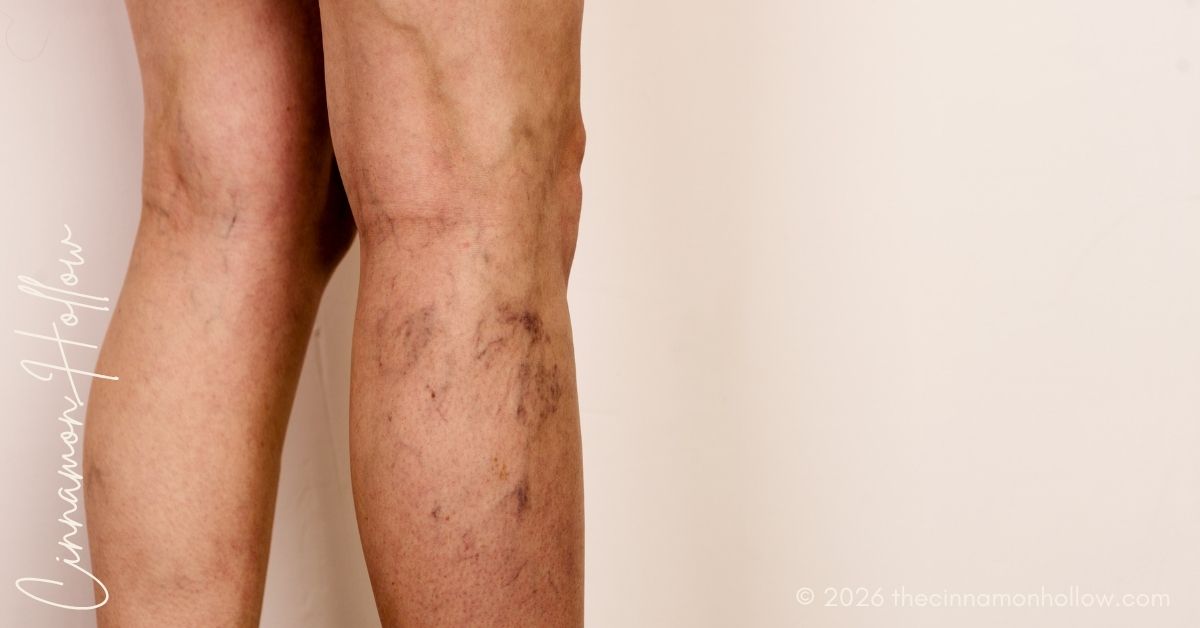
Waiting to get care lets the circulation problem underneath get worse. This can lead to lasting pain, skin damage, and even open sores that are hard to heal. Varicose veins are rarely just a surface issue; they are a direct sign that something deeper isn’t working right. In the United States, about 24% of adults have visible varicose veins and an additional 6% have more advanced chronic venous disease with skin changes or ulcers, according to the National Institutes of Health (NIH). This problem is called chronic venous insufficiency (CVI). In healthy leg veins, tiny one-way valves open to let blood flow to the heart and then close to stop it from flowing backward. When these valves get weak or stop working, blood collects in the lower legs. This puts a lot of pressure on the veins. This constant pressure, called venous hypertension, is the main cause of the bulging, aching, and swelling you feel.
Over months and years, this constant pressure starts to damage the skin and tissues around the veins. Parts of the blood can leak out of the stressed veins and into the skin. This causes brownish or reddish discolored skin, a condition called stasis dermatitis. The skin can become dry, itchy, and thin. In the worst cases, this bad circulation and high pressure can stop the skin from healing the right way. This can cause open sores called venous stasis ulcers, usually near the ankle, that can be very painful and hard to treat. In fact, chronic venous insufficiency, often related to varicose veins, affects about 2.5 million people in the United States, and roughly 20% of them develop venous leg ulcers, a serious complication, as reported by the American Heart Association.
❝ A common mistake is to blame leg problems on just “getting older” or being on your feet all day. If you often feel aching, heaviness, cramping, or swelling in your legs that gets better when you put them up, that’s a clear sign of a vein problem. Lifting your legs helps because gravity is no longer pulling the blood down.
Keeping a simple written record of these symptoms—pain, swelling, heaviness, skin changes—is very important. This record helps a specialist see how your problem is changing over time. It also helps prove that your treatment is medically necessary, not just something you choose to do for looks. Knowing the difference is key to getting your insurance to cover the right care.
Mistake #2: Seeing the Wrong Type of Doctor
The best results usually come from doctors who focus only on finding and treating vein disease. While many kinds of doctors can do vein procedures, a real specialist has a lot of experience with the details of vein imaging and all the modern treatments that are less invasive. This focus is important because the quality of the first ultrasound test is the key to success for the whole treatment plan.
Choosing a doctor isn’t just about who does the final procedure. It’s about the entire process of diagnosis and treatment. Different types of doctors have different main focuses, which can change how they handle vein care.
| Specialist Type | Primary Focus | A Good Question to Ask |
| Phlebologist | A doctor who focuses only on vein problems. | What percentage of your practice is focused on venous disease? |
| Vascular Surgeon | Surgeons who treat all blood vessels (arteries and veins). | Do you primarily focus on venous cases, or is your practice a mix of arterial and venous surgery? |
| Interventional Radiologist | Doctors who use imaging to guide treatments inside the body. | How many vein procedures, like ablation or sclerotherapy, do you perform each month? |
The single most important step in your check-up is the ultrasound test. This isn’t a quick look at your leg. A proper vein study uses a “duplex ultrasound,” which uses sound waves and Doppler to see your veins and map how your blood is flowing. The technologist must check for reflux, or backward blood flow, in the deep and surface veins of your leg, from your groin to your ankle, while you are standing up.
❝ The ultrasound report is the roadmap for your entire treatment. A rushed or incomplete scan can miss problem veins, which means the treatment won’t work and your symptoms will come back quickly. The person doing this scan should be a Registered Vascular Technologist (RVT), a certification that shows they are an expert in this area.
Before agreeing to a treatment plan, ask specific questions about this process. Who does the ultrasound, and what are their training and certifications? Will the doctor planning your treatment look at the ultrasound pictures themselves, or will they only read the report? A good provider will be open and honest about how they do their tests and should be able to give you a copy of your “vein map” and report.
Mistake #3: Assuming All Treatments Are Created Equal
Not at all. The right procedure depends on which specific veins have failed, how big they are, how deep they are, and their shape. A good result comes from matching the right tool to the right problem, which is why a detailed ultrasound is so important. Modern vein care is not a one-size-fits-all service; it is a plan made just for your body’s own vein map.
The main treatments fix the source of the problem: the large, leaking surface veins like the great saphenous vein (GSV). The most common modern ways to do this are thermal ablation and medical adhesives.
· Radiofrequency Ablation (RFA): This method uses heat. A specialist uses ultrasound to guide a thin tube into the bad vein. The tip of the tube sends out a steady, gentle heat to the vein wall, which makes it close up. Your body then naturally sends blood flow to healthy, deeper veins. This treatment is great for long, fairly straight veins.
· VenaSeal™: This method doesn’t use heat. It uses a special medical glue to seal the problem vein closed from the inside. Like RFA, it is done with a thin tube while the doctor watches on an ultrasound. One key difference is that it often needs less numbing medicine, and you might not need to wear compression stockings afterward.
❝ A complete plan often uses more than one method. It is very common to first close the main “trunk” vein with a procedure like RFA, and then, in the same visit or a later one, treat the “branch” varicose veins you can see. Treating only the surface bulges without closing the deeper source is like mopping the floor without fixing the leaky pipe.
Once the main source of the problem is closed, the other visible veins are treated. Two common methods are:
· Sclerotherapy: This involves injecting a special solution directly into a vein. The solution makes the inside of the vein close up. It works very well for smaller varicose veins and spider veins. When used on deeper branches, the doctor uses ultrasound to make sure it goes to the right spot.
· Microphlebectomy: This procedure removes large, bulging veins near the skin’s surface. The doctor makes tiny cuts, sometimes as small as a needle prick, and uses a special tool to pull out the bad part of the vein. This improves the look of the leg right away.
The skill of the doctor is very important. For ablation, it means using the right amount of energy without hurting nearby nerves. For sclerotherapy, it means using the right amount and strength of the solution to avoid staining the skin. A good specialist won’t just offer one procedure; they will explain why a specific mix of treatments is the best plan for you.
Frequently Asked Questions About Vein Treatment
Is varicose vein treatment covered by insurance? In many cases, yes, if it’s considered medically necessary. Insurance companies usually want to see proof of your symptoms, like pain, swelling, heaviness, or skin changes. They may also require you to first try simpler treatments, such as wearing prescription-strength compression stockings for three to six months, before they will approve a treatment to fix the problem.
What is the typical cost range for varicose vein removal? The cost depends on how much treatment you need. The final price is a mix of the first ultrasound test, the main procedure used to close the faulty vein (like radiofrequency ablation), and any other treatments needed for branch veins (like sclerotherapy or microphlebectomy). A plan with multiple procedures on both legs will cost more than a single procedure on one leg.
Are the treatments painful? Modern, less invasive procedures are designed to be as comfortable as possible. They numb the area first, so during the procedure, you should only feel pressure, not sharp pain. Afterward, it is common to feel a tightness or a “pulling” feeling along the treated vein for a few days. You can manage it with walking and pain medicine like ibuprofen.
How long is the recovery period after a procedure? Most patients are up and walking right after treatment and can go back to a desk job and light activities the next day. You will likely be told to walk regularly to help circulation and wear compression stockings for one to two weeks. You should avoid hard exercise like heavy lifting or running for about two weeks to make sure you heal properly.
Once a vein is treated, can it come back? A vein that has been closed the right way with a modern technique like ablation is sealed for good by the body and cannot “come back.” However, chronic venous insufficiency is a problem that can get worse over time. While the treated vein is fixed, it is possible for new varicose veins to show up in other places later on. This is why regular check-ups with a vein specialist are important.
Making the Right Choice for Your Vein Health
Successfully treating varicose veins is less about a single procedure and more about a complete and careful diagnosis. The most common mistakes happen when people focus on the visible, surface problem instead of the real circulation problem underneath. Ignoring early symptoms, choosing a doctor who isn’t a specialist, or accepting a one-size-fits-all treatment plan all come from the same error: not realizing how complex vein disease is. The path to lasting relief starts with understanding that this is a medical condition that needs an exact diagnosis.
Your most important choice is not which technology to use, but which provider will do your first check-up. The quality of the ultrasound test is the most important part of your care. A detailed “vein map” made by an experienced vascular technologist and checked by a doctor who focuses on veins makes the difference between a quick fix and a real solution. This first step makes sure the real cause of the problem is found and fixed.
In the end, the goal is to get your legs working properly again, not just to make a few bulging veins go away. A thorough, well-planned approach fixes the main cause of the vein problem, which gives you real relief from your symptoms and makes it less likely for the problem to come back. By focusing on the quality of the diagnosis first, you give yourself the best chance for a good result that lasts.
About the author
The clinical team at California Vein Institute specializes in the diagnosis and treatment of venous and circulation disorders for patients in Orange County. Based in Irvine, the practice focuses only on venous health, using advanced imaging and minimally invasive techniques like radiofrequency ablation, VenaSeal™, and sclerotherapy. Their physicians develop treatment plans made for each patient for conditions ranging from varicose veins to chronic venous insufficiency, all performed in their own clinic.
The owners and authors of Cinnamon Hollow are not doctors and this is in no way intended to be used as medical advice. We cannot be held responsible for your results. As with any product, service or supplement, use at your own risk. Always do your own research and consult with your personal physician before using.

Meg is an author at Cinnamon Hollow. She writes on a variety of topics sharing tips and ideas for daily life.