By a joint pain industry contributor.
If you live with long-term knee pain, you probably know the routine. When a flare-up starts, you use ice packs, take anti-inflammatory pills, and change your activities. When that stops working, the usual options are steroid injections for short-term relief or seeing a surgeon about a knee replacement. For many people, this feels like a big, frustrating gap between temporary fixes and a major, life-changing surgery.
This gap is where the most exciting new treatments are being developed. The focus is changing from just covering up pain to fixing the root causes of it. To understand all the new treatments for knee osteoarthritis treatment, you have to look past the usual options. The condition is very common. According to the Centers for Disease Control and Prevention, osteoarthritis (OA) affects over 32.5 million adults in the U.S. The CDC also reports that about 1 in 2 people may get knee OA with symptoms by age 85. This makes new approaches very important.
The goal is no longer just to “manage” pain until surgery is the only choice. Instead, newer, less invasive procedures are aimed at the specific things happening in the body that cause pain, like long-term inflammation. This is a major change in approach for a very common condition. The condition has a huge impact. According to a 2013 CDC analysis, the total cost of arthritis in the U.S. was $303.5 billion.
Quick answer: For knee osteoarthritis, treatment is changing from just pain medicine and joint replacement. Newer, less invasive options like Genicular Artery Embolization (GAE) are now available. These procedures target the inflammation that causes pain. They can help delay or avoid the need for major surgery by treating a root cause of the symptoms.
What’s inside
· Why Standard Knee Treatments Sometimes Fall Short
· What Is Genicular Artery Embolization (GAE)?
· How Does GAE Address the Source of Pain?
· Who Is a Potential Candidate for This Approach?
· Questions to Ask Your Doctor About New Therapies
· Frequently Asked Questions About Knee OA
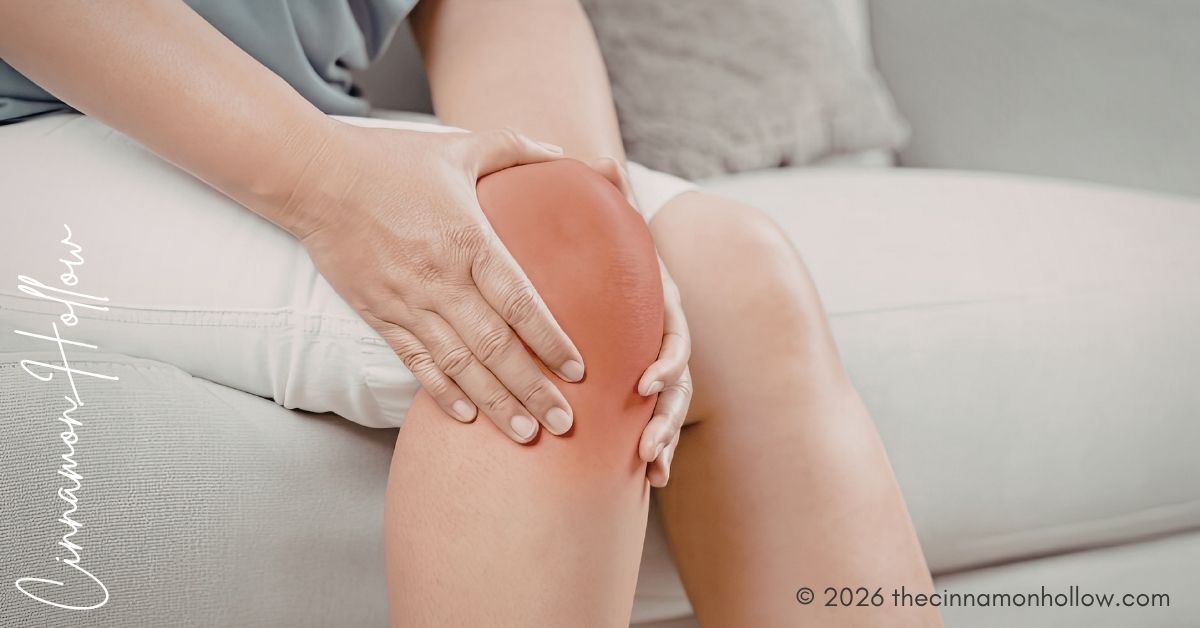
Why Do Standard Knee Treatments Sometimes Fall Short?
They mainly manage symptoms like pain and swelling, instead of fixing the long-term inflammation that often makes the condition worse.
The usual path for moderate knee OA often involves a cycle of simple treatments. This starts with over-the-counter anti-inflammatory drugs (NSAIDs) like ibuprofen. When that isn’t enough, doctors may suggest steroid injections directly into the knee joint. These can give strong but short-term relief from a painful flare-up. Because the relief doesn’t last long, it can lead to getting injections over and over, which have their own risks over time.
When injections no longer give enough relief, the conversation often turns to total knee replacement surgery. This is a major surgery that involves a long recovery time and physical therapy. It works well for many people, but it is a huge leap from managing symptoms with pills and shots. The gap between these two options is where many patients feel stuck. They want a longer-lasting solution without having to get major surgery.
❝ A key question to ask about your current treatment is not just if it helps, but for how long. If you find yourself planning your life around your next shot or counting the days until you can take another pill, your treatment is managing a crisis, not the real problem.
This treatment gap shows why we need options that do more than just hide pain. The goal of new therapies is to stop the process in the body that is causing the pain. In osteoarthritis, a key problem is synovitis, which is the inflammation of the soft tissue lining the joint. This long-term inflammation causes new, abnormal blood vessels and nerves to grow, making the joint extra sensitive and painful. Targeting this specific problem is the idea behind newer, less invasive treatments.
How Should You Evaluate Newer Knee Pain Therapies?
You should focus on the doctor’s specific training, their experience with the exact procedure, and how carefully they diagnose you before suggesting any treatment.
The specialists who perform procedures like Genicular Artery Embolization (GAE) are usually specially trained doctors called Interventional Radiologists (IRs). An IR is a doctor who uses tools like X-rays and ultrasound to do procedures with very small cuts. According to the Society of Interventional Radiology, these specialists guide tiny tubes through blood vessels to deliver treatment right to the source of a disease or pain. This is a different type of specialty from bone and joint surgery or general pain management. It requires years of special training using imaging to guide their work.
A detailed first visit is a key first step. It should feel like a complete medical check-up, not a sales pitch. You should expect the doctor to review your medical history and past treatments, and to do a physical exam of your knee. Most importantly, the doctor should look closely at your scans. This may include X-rays to check the space in your joint and MRIs to find the exact spots that are inflamed (synovitis) and causing pain.
❝ When you meet with a doctor, ask them directly: “Based on my MRI, can you show me the specific spots of inflammation you would target?” A skilled doctor should be able to point to the proof on your scans and explain exactly how the procedure would fix it. This shows the diagnosis is made for you, not just your general condition.
Use the following points to compare providers and check the quality of care they offer.
| Evaluation Point | What to Look For | Potential Red Flags |
| Physician Specialty | A board-certified Interventional Radiologist with experience in embolization procedures. | Vague credentials or a doctor from a different specialty offering the procedure. |
| Consultation Process | A detailed review of your medical history and scans. A clear explanation of why you are (or are not) a good candidate. | A rushed visit that feels like a sales pitch. Pressure to decide quickly. |
| Treatment Plan | A plan based on what your scans show. A talk about realistic results and possible risks. | A one-size-fits-all approach. Promises of “guaranteed” or “100%” pain relief. |
| Experience | A doctor who is willing to talk about how many similar procedures they have done and their patient results. | Avoiding questions about their experience or complication rates. |
In the end, the goal is to find a clinical partner who is open about the process, has proven skill in the specific therapy, and makes recommendations based on a careful, personal diagnosis.
What Is Happening Inside the Knee During Embolization?
The procedure carefully blocks the tiny, abnormal arteries that feed the long-term swelling, which stops the pain signals at their source.
In a knee with osteoarthritis, the pain is not just from cartilage loss. A big reason for the pain is long-term inflammation of the joint lining, called synovitis. This inflamed tissue causes a thick web of new, abnormal blood vessels to grow. New nerve endings grow along with them. This mix of extra blood flow and extra-sensitive nerves is what creates the constant, dull ache and sharp pains of moderate to severe OA.
Genicular Artery Embolization (GAE) is designed to break this cycle. The procedure is done by an interventional radiologist, and you can go home the same day. It starts with a very small opening, usually in an artery in your upper thigh. Using live X-ray images to see inside, the doctor guides a very thin tube into the arteries that supply the knee. These are known as the genicular arteries.
❝ The goal is not to shut down blood supply to the whole knee. Healthy tissue is not touched. The doctor uses a special X-ray dye to create a “map” of the knee’s arteries. They look for the clear signs of extra blood vessels that show where the inflammation is. Only these abnormal vessels are targeted.
Once the problem arteries are found, the doctor injects tiny particles, like grains of sand, through the tube. These particles are just big enough to block the targeted abnormal vessels. This blocking process, called embolization, reduces the extra blood flow to the inflamed joint lining. With the blood flow back to normal, the swelling goes down. As the inflammation fades, the sensitive nerves calm down, which leads to pain being greatly reduced. The whole procedure usually takes one to two hours, and patients go home the same day.
Frequently Asked Questions
What should you not do with osteoarthritis of the knee? You should avoid activities that jolt your joints, like running on hard surfaces, jumping, or deep squats with heavy weights. Also, try to avoid staying in one position for too long, like sitting for hours, which can make you feel stiff. The key is to avoid both putting too much stress on the joint and not moving it at all.
Is walking good for osteoarthritis in the knee? Yes, walking is usually one of the best things you can do for knee OA. It makes the muscles around the joint stronger, helps blood flow, and helps keep the joint moving without high impact. For the best results, wear shoes with good support and cushion. Choose softer surfaces like a track or a dirt path instead of concrete sidewalks when you can.
What are some good exercises for knees with osteoarthritis? Focus on two types of exercise: those that get your heart rate up without jarring the joint, and those that strengthen specific muscles. Activities like swimming, water aerobics, and using a stationary bike increase blood flow and endurance without stressing the joint. For strength, focus on the quadriceps and hamstrings with exercises like straight leg raises and hamstring curls. These muscles act as the knee’s main shock absorbers.
What are the symptoms of severe osteoarthritis in the knee? As OA gets worse, symptoms can be more than just a constant ache. You might feel the knee locking, catching, or giving out. Some people notice their knee may look different, such as becoming more bow-legged or knock-kneed. Pain that often wakes you up at night is also a common sign of more serious OA.
Can diet and supplements help manage knee OA symptoms? While no diet can cure osteoarthritis, some eating habits can help manage inflammation. A diet that helps fight inflammation can help reduce flare-ups. This includes eating foods rich in omega-3s (found in fish), antioxidants (from fruits and vegetables), and healthy fats. On the other hand, eating fewer processed foods, sugar, and refined carbohydrates can be helpful.
Beyond Symptom Management: A New Path for Knee Pain
The options for knee osteoarthritis care are growing beyond a limited choice between temporary fixes and major surgery. The biggest change is the shift from just hiding pain to directly targeting the root causes that create it, like long-term inflammation. This approach gives a new type of option for people who find pills and injections are not enough but are not ready for a full knee replacement. It fills an important gap, offering a longer-lasting solution without the big step of a major surgery.
Your role in this new world of treatment is to be an active partner in your own health care. The key thing to think about is not just choosing a treatment, but looking at how a doctor diagnoses you. A recommendation should be based on clear proof from your own scans, showing the exact spots of inflammation causing your pain. This makes sure any suggested treatment is matched to your specific problem, not just a general diagnosis of joint pain.
Ultimately, the goal is to find a path that helps you move better and puts off the need for more serious surgery. By focusing on therapies that break the cycle of swelling, you can move away from just reacting to pain. The best strategy is one that fixes the root cause, offering a chance to get back control of how you move and live your life.
About the author
The physicians at the California Joint Pain Institute are specially trained doctors (interventional radiologists) who focus on minimally invasive treatments for chronic joint pain. Based in Irvine, their practice focuses on procedures that use imaging to guide treatment, including Genicular Artery Embolization (GAE), for conditions like knee osteoarthritis, tennis elbow, and frozen shoulder. The team uses the latest tools for diagnosis to create personal care plans for patients throughout Orange County. They aim to address the root causes of joint pain, like inflammation, as an alternative to traditional surgery.
The owners and authors of Cinnamon Hollow are not doctors and this is in no way intended to be used as medical advice. We cannot be held responsible for your results. As with any product, service or supplement, use at your own risk. Always do your own research and consult with your personal physician before using.

Meg is an author at Cinnamon Hollow. She writes on a variety of topics sharing tips and ideas for daily life.