By a men’s health industry contributor.
The nightly bathroom trips, the constant need to go, the weak stream, these symptoms of an enlarged prostate, or Benign Prostatic Hyperplasia (BPH), can slowly wear down your quality of life. For many years, the main solution was surgery, which often came with risks to sexual function and a long recovery. This left many men feeling trapped between annoying symptoms and treatment side effects they didn’t want.
Today, less invasive options have changed things. Procedures like Prostate Artery Embolization (PAE) offer a different choice that avoids cutting and general anesthesia. As you look at your options, learning about a procedure like Men’s Health Institute prostate artery embolization is a key step. But understanding this newer option means you need to ask the right questions. This helps you avoid common mistakes that can lead to disappointment or poor results.
Quick answer: Prostate Artery Embolization is a very effective, minimally invasive treatment for BPH. It reduces urinary symptoms by blocking blood flow to the prostate. However, common mistakes include not being a good fit because of the prostate’s shape, not knowing the specialist’s role, and expecting too much from recovery and long-term results.
What’s inside
· Mistake 1: Focusing Only on Prostate Size
· Mistake 2: Overlooking the Specialist’s Experience
· Mistake 3: Misunderstanding the Recovery Process
· Mistake 4: Not Asking About Long-Term Data
· How to Properly Evaluate a PAE Provider
· Frequently Asked Questions About PAE
Mistake 1: Focusing Only on Prostate Size
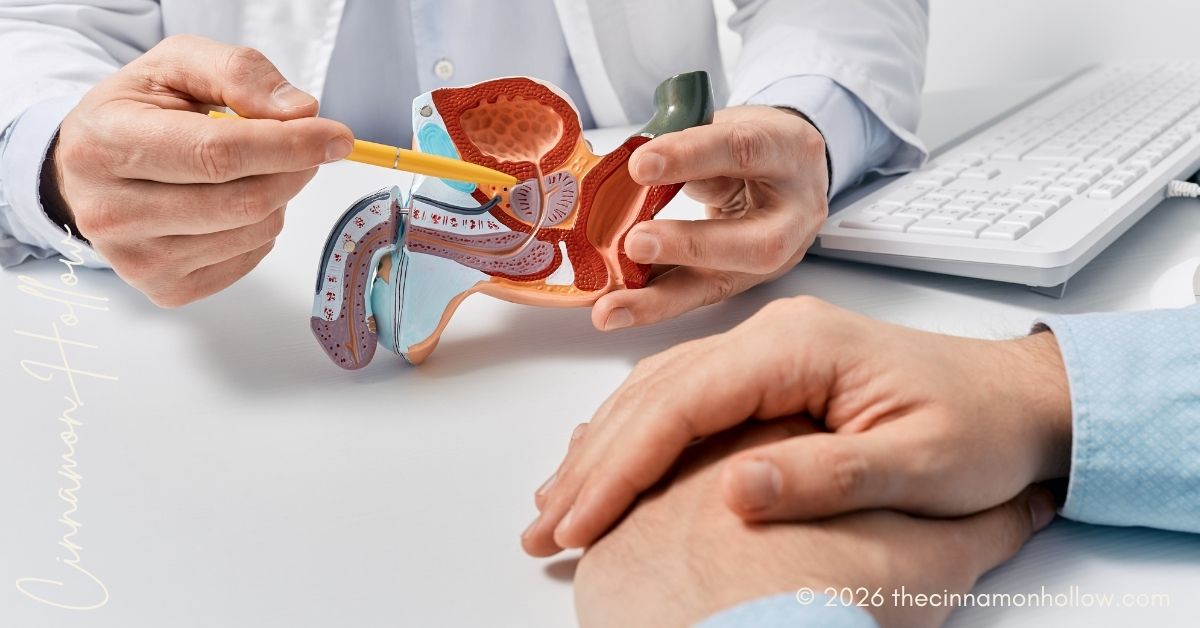
Why is prostate size just one piece of the PAE puzzle? While prostate size is a starting point, the shape of the gland inside and the exact layout of its arteries are much more important for knowing if PAE will work.
Many men think a bigger prostate always means worse symptoms, and a smaller one isn’t a big deal. But where the prostate grows often matters more than how big it gets. A small growth in just the right spot, called a median lobe, can stick out into the bladder opening and cause a serious blockage. On the other hand, a much larger prostate that grows evenly outward might cause fewer problems. A check-up for PAE looks less at the size in numbers and more at how the prostate’s shape is blocking the urinary tract.
A good evaluation uses detailed imaging, like an MRI or CT scan, to map the prostate and its blood supply. This is where the skill of an interventional radiologist is key. They are trained to study this anatomy to predict how well the procedure will work. They look for the exact arteries that can be safely blocked to shrink the part of the gland causing the problem.
❝ A key question to ask your specialist is not just “Is my prostate big enough?” but “What do my scans show about the shape of my prostate and its arteries?” Be sure to ask if you have a large median lobe, as this can be a strong sign that PAE could help a lot.
The success of PAE depends completely on the doctor’s ability to move through a complex map of tiny blood vessels. Every person’s artery layout is a little different. Sometimes the arteries that feed the prostate are hard to reach or start in an unusual place. An experienced specialist can spot these challenges ahead of time and figure out if a safe and effective procedure is possible. This mapping before the procedure is a must-do step to avoid problems and make sure the treatment hits the right spot.
How to Properly Evaluate a PAE Provider
A good evaluation looks at the specialist’s training, how many procedures they’ve done, and if they provide good imaging before and follow-up care after.
The most important thing is to know who does the procedure. Prostate Artery Embolization is not performed by a urologist, but by an interventional radiologist (IR). An IR is a doctor who uses imaging, like X-rays, to guide treatments inside the body without major surgery. Make sure the doctor is board-certified in interventional radiology. This certification means they have finished special training and passed tough exams on these types of treatments.
Next, ask about their experience with PAE. This is not a procedure where you want to be one of a provider’s first cases. It’s okay to ask how many they’ve done. How many PAE procedures have they performed in the last year? How many do they perform in a typical month? Doing a lot of these procedures often means they are skilled at handling both normal and tricky cases. According to the Society of Interventional Radiology, PAE is a technically difficult procedure, and a doctor’s experience is a key part of a good result.
❝ Ask the doctor to explain their process for a patient with a tricky case. For example, “If my MRI shows arteries that are hard to reach, what do you do?” An experienced doctor can clearly explain their plan, the possible challenges, and how they would handle them. A vague answer or one that brushes off your question is a big red flag.
Finally, look at the clinic’s whole process. A good clinic will require a full consultation and detailed imaging before they even suggest the procedure. They should give you clear information about recovery and have a set plan for follow-up visits to track your progress. Be careful with any provider who rushes you, downplays the risks, or guarantees a perfect result. A professional will give you a balanced view of the good and bad, based on your own health situation.
Mistake 3: Misunderstanding the Recovery Process
What does the PAE recovery process actually involve? Recovery is a slow process where the prostate tissue shrinks over weeks and months. It’s not an instant fix. It often includes a short time with mild, flu-like symptoms.
Many men expect to feel better right away. While you might feel some improvement quickly, the main way PAE works takes time. The procedure itself is simple and doesn’t involve major surgery. A specialist guides a tiny tube to the arteries that feed the prostate. They then inject thousands of microscopic beads made of a safe material. These tiny beads travel into the smallest arteries in the prostate and stay there, blocking blood flow.
This blockage cuts off oxygen and nutrients to that part of the prostate. The tissue doesn’t go away overnight. Instead, it slowly starts to shrink. This is why you see the full benefits of PAE over time. You might notice a stronger stream in a week or two as the first swelling goes down. But the bigger changes, like going to the bathroom less often, happen over the next one to three months as the prostate gets smaller.
❝ Don’t judge the final result by how you feel in the first two weeks. The most important part of recovery is the slow improvement you’ll see from month one to month six. Keep a simple daily log of your symptoms, like how many times you get up at night. This will help you see the progress. These facts are often more encouraging than just trying to remember how you felt.
It’s also common to have something called “post-embolization syndrome” for a few days. This can include a low fever, some discomfort in your pelvic area, or feeling tired. This is not a problem. It’s a sign the treatment is working. It’s the body’s natural reaction as the treated prostate tissue starts to break down. You can usually manage this with over-the-counter pain medicine, and it goes away on its own in about a week. Knowing this ahead of time helps you avoid worry and sets realistic expectations for the first few days.
Frequently Asked Questions About PAE
What are the primary downsides of prostate artery embolization? The most common downside is a short-term condition called post-embolization syndrome, which can cause mild pelvic pain, low-grade fever, and fatigue for a few days. While rare, bigger risks include non-target embolization, where the tiny beads go to the wrong place, or short-term bladder irritation. The procedure also may not work for every patient, especially if your artery layout is very complex.
Does prostate artery embolization really work? Yes, for the right patients, PAE works very well. Success doesn’t mean the prostate is removed. It means your urinary symptoms get much better and your quality of life improves. Most patients see a real decrease in nighttime urination, a stronger stream, and less urgency within one to three months. The procedure is accepted as a standard treatment for BPH by many medical groups. It is important to note that PAE may act as a temporizing strategy rather than a lifetime cure, as 10-year data from Pubmed shows reintervention rates can be as high as 58.1%. Mid-term data from Pubmed supports this, showing retreatment rates in large cohorts of approximately 9-10% at 2 years and 18-21% at 5 years.
Who is not a good candidate for PAE? You may not be a good candidate if you have an active urinary tract infection, confirmed prostate cancer, or severe kidney disease. Also, men with severe hardening of the arteries in their pelvis may not be able to have it, because it can make it impossible for the doctor to guide the small tube to the right arteries. A full medical history and review of your scans are needed to see if you are a good candidate.
Will PAE affect my sexual function? PAE has a much lower risk of sexual side effects than older surgeries like TURP (Transurethral Resection of the Prostate), while offering comparable improvements in urinary symptoms and quality of life at the 12-month mark, according to data from Pmc. PAE works by blocking blood flow from inside the arteries. It doesn’t involve cutting near the nerves for erections and ejaculation. Because of this, the risk of new erection problems or retrograde ejaculation is very low.
What is the minimum prostate size for PAE? While there is no single, strict minimum size, PAE is usually considered for men with prostates larger than 40 grams who have moderate to severe symptoms. However, the decision is based more on your symptoms and the prostate’s shape inside (like a median lobe causing a blockage) than just on its total size. A smaller prostate that is causing a blockage can still be a good fit for the procedure.
The Real Decision Isn’t About PAE, It’s About Candidacy
Choosing a BPH treatment is about more than just comparing procedures. The most common mistakes with PAE come from not understanding what makes it successful. You shouldn’t focus only on the technology. Instead, focus on a careful check of your own body and the skill of the doctor doing the procedure. It is a very personal treatment where choosing the right patient is the most important thing.
The key is to see this not as a simple choice, but as a journey to get the right diagnosis. Your main goal is to find a specialist who can figure out if you are a great candidate. This depends on things you can’t see: the specific layout of your arteries and the shape of your prostate inside. An experienced interventional radiologist first acts like a detective, using advanced scans to map these things out before they ever suggest the procedure.
In the end, your job is to check out the expert, not just the treatment. A provider’s experience with tough cases, their board certification, and their open and honest planning are the best signs of quality. By asking questions about their process and skill, you make sure you are the right person for the procedure, with the right doctor.
About the author
The California Prostate Institute (Men’s Health) is a medical practice in Irvine, California, focused on men’s health conditions. Its doctors specialize in minimally invasive, image-guided procedures for issues including Benign Prostatic Hyperplasia (BPH), erectile dysfunction, and varicocele. The institute provides treatments like Prostate Artery Embolization (PAE) as an alternative to traditional surgery for patients in Orange County, with a focus on teaching patients and providing complete care from diagnosis through recovery.
The owners and authors of Cinnamon Hollow are not doctors and this is in no way intended to be used as medical advice. We cannot be held responsible for your results. As with any product, service or supplement, use at your own risk. Always do your own research and consult with your personal physician before using.

Hi, I’m Crystal – a Kentucky-based Aromatherapist, wife, mom and the voice behind The Cinnamon Hollow. I share cozy, real-life inspiration for healthier routines, simple home living, essential oil use and safety, beauty, pets, and family adventures. From everyday tips to travel guides, my goal is to help you create a warmer life and embrace each day as its own little adventure. Always remember to live life, one adventure at a time! read more