Modern homes have come a long way from the sleek, minimalist spaces that once dominated interior design. While clean lines and neutral palettes still hold their appeal, homeowners today are increasingly drawn to spaces that feel layered, warm, and full of character. Texture and depth are the secret ingredients that transform a flat, forgettable room into one that feels curated and alive. The good news is that achieving this does not require a complete renovation or a designer on speed dial. With the right materials, techniques, and a bit of creativity, any room can take on a richer, more dynamic quality.
Where Stone and Natural Materials Make Their Mark
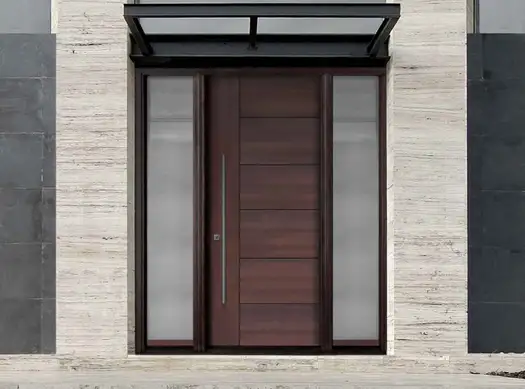
Natural stone finishes have become one of the most sought-after elements in modern interior design, and it is easy to see why. The raw, uneven surfaces of stone bring an organic quality that no manufactured material can fully replicate. A well-placed stone feature wall or a hand-cut limestone fireplace surround can completely transform the feel of a room, adding layers of depth that paint and wallpaper cannot achieve. The demand for these materials has grown steadily over the years, which is why stone quarries are constantly working to meet the need, supplying everything from marble and granite to sandstone and slate. Each slab carries its own distinct grain and tonal variation, meaning no two installations ever look exactly the same. That natural unpredictability is precisely what makes stone such a compelling choice for adding genuine texture and character to a modern home.
The Power of Tactile Wall Treatments
Walls are often the most overlooked surface in a room, yet they offer enormous potential for adding texture. Limewash paint, for example, creates a soft, mottled effect that mimics the appearance of aged plaster. It adds depth without overwhelming the eye and works beautifully in both living rooms and bedrooms. Textured wallpaper is another strong option, particularly designs that incorporate woven grass cloth, embossed geometric patterns, or raised botanical motifs. These choices give a wall a physical presence that flat paint simply cannot achieve. For a more hands-on approach, plaster applied in irregular strokes creates a surface that catches light differently throughout the day, making the room feel more alive at different hours.
Layering Fabrics for a Richer Feel
Textiles are one of the easiest and most affordable ways to build depth in any room. The key is layering fabrics with different weights, weaves, and finishes rather than relying on a single material. A chunky knit throw draped over a smooth leather sofa creates an immediate visual and tactile contrast. Mixing velvet cushions with linen ones on the same seat adds complexity without clutter. Rugs deserve special attention here. A well-chosen rug does more than define a seating area. It introduces pattern, softness, and warmth underfoot. Layering two rugs of different sizes, such as a flatweave beneath a thicker, patterned one, is a trick that interior designers often use to make a floor feel more intentional and layered.
Bringing in Wood in Unexpected Ways
Wood is a material that most homes already feature in some form, but it is rarely used to its full potential. Beyond standard flooring and furniture, wood can be introduced in ways that create genuine visual interest. Shiplap or board-and-batten wall treatments bring rhythm and shadow lines to a flat surface. Open shelving made from reclaimed timber adds both texture and a sense of history. Even small touches, like a chunky wooden beam repurposed as a mantelpiece or a collection of wooden vessels grouped on a shelf, contribute to a layered look that feels considered rather than accidental. The grain patterns in wood, especially in older or unfinished pieces, introduce a natural complexity that pairs well with modern, pared-back aesthetics.
Playing with Light and Shadow
Texture and depth are not only about what you touch. They are also about how light interacts with surfaces. Matte finishes absorb light and create a quieter, more subdued atmosphere, while glossy or metallic surfaces reflect it and draw the eye. Using a combination of both in the same room adds contrast that makes each surface more interesting. Pendant lights with woven or perforated shades cast patterned shadows across walls and ceilings, turning light itself into a textural element. Candles grouped on a tray or placed along a mantelpiece introduce a soft, flickering quality that no overhead fixture can replicate. Thinking about light as part of your textural strategy, rather than as a purely functional consideration, opens up a whole new layer of design possibilities.
Mixing Metals for Visual Complexity
Gone are the days when every metal finish in a room had to match. Mixing metals is now a widely embraced approach that adds visual complexity and prevents a space from feeling too uniform. Pairing a brushed brass light fixture with matte black hardware and a polished chrome faucet in the same room creates a layered metallic palette that feels curated rather than mismatched. The key is to repeat each metal finish at least twice throughout the space so that the mix feels deliberate. Metals also interact with light in ways that no other material does, shifting from warm to cool depending on the time of day and the direction of the light source.
Incorporating Plants and Organic Elements
Living elements bring a type of texture that no manufactured material can match. Plants with large, bold leaves, like those with broad, glossy surfaces or deeply ridged textures, add a sculptural quality to corners and shelving. Dried botanicals and branches in tall vases introduce a more muted, earthy texture. Even a bowl of smooth stones or a stack of books with varying spine thicknesses contributes to a layered, collected feel. The goal is to mix the refined with the raw, the smooth with the rough, and the structured with the organic. Building texture and depth into a modern home is ultimately about being intentional with every surface, material, and layer. When each element is chosen with care and placed with purpose, a room stops feeling like a showroom and starts feeling like a home.

Meg is an author at Cinnamon Hollow. She writes on a variety of topics sharing tips and ideas for daily life.