Modern Heating and Cooling Solutions for Year-Round Comfort
Understanding the various heating and cooling systems available is the first step in appreciating the value of their ongoing care. Our homes are equipped with increasingly sophisticated technology designed to manage indoor climate across diverse climate zones, ensuring optimal comfort and air quality. When selecting or maintaining these systems, factors like system sizing, energy ratings, and proper ductwork design are paramount. Modern standards, such as SEER2 ratings, guide us toward more energy-efficient choices, while precise load calculations ensure your system is perfectly matched to your home’s unique needs.
Central Systems and Heat Pumps as Primary Heating and Cooling Solutions
The backbone of many residential climate control strategies often involves central systems, with heat pumps and furnaces being leading choices. Heat pumps, in particular, offer a versatile solution, capable of both heating and cooling by transferring heat rather than generating it. This makes them highly efficient. Furnaces, on the other hand, excel in colder climates, providing robust heating, often with high furnace efficiency ratings. For those in regions with significant temperature swings, dual-fuel systems combine the strengths of both, using a heat pump for moderate temperatures and switching to a furnace for extreme cold. Regardless of the type, these systems rely on interconnected components like outdoor condenser units and indoor air handlers, all working in concert through intricate refrigerant cycles to maintain your desired indoor climate.
Specialized Heating and Cooling Solutions for Zoned Temperature Control
Beyond central systems, specialized heating and cooling solutions offer enhanced control and efficiency, particularly for zoned temperature control. Ductless mini-splits, for instance, provide targeted heating and cooling to individual rooms or areas without the need for extensive ductwork, making them ideal for additions or spaces where duct installation is impractical. Smart thermostats revolutionize how we interact with our systems, learning our preferences and optimizing energy usage. For homes with central systems, zoning dampers can be installed within ductwork to direct airflow to specific areas, allowing different parts of the house to be heated or cooled independently. Advanced systems may also incorporate variable-speed motors for more precise airflow balance and utilize room sensors to ensure consistent temperatures throughout the home, minimizing hot or cold spots.
Key Components of Preventative System Care
Preventative system care is not merely about fixing problems; it’s about proactively maintaining peak performance and extending the life of your heating and cooling equipment. Just as you would maintain a vehicle, your HVAC system benefits immensely from regular attention.
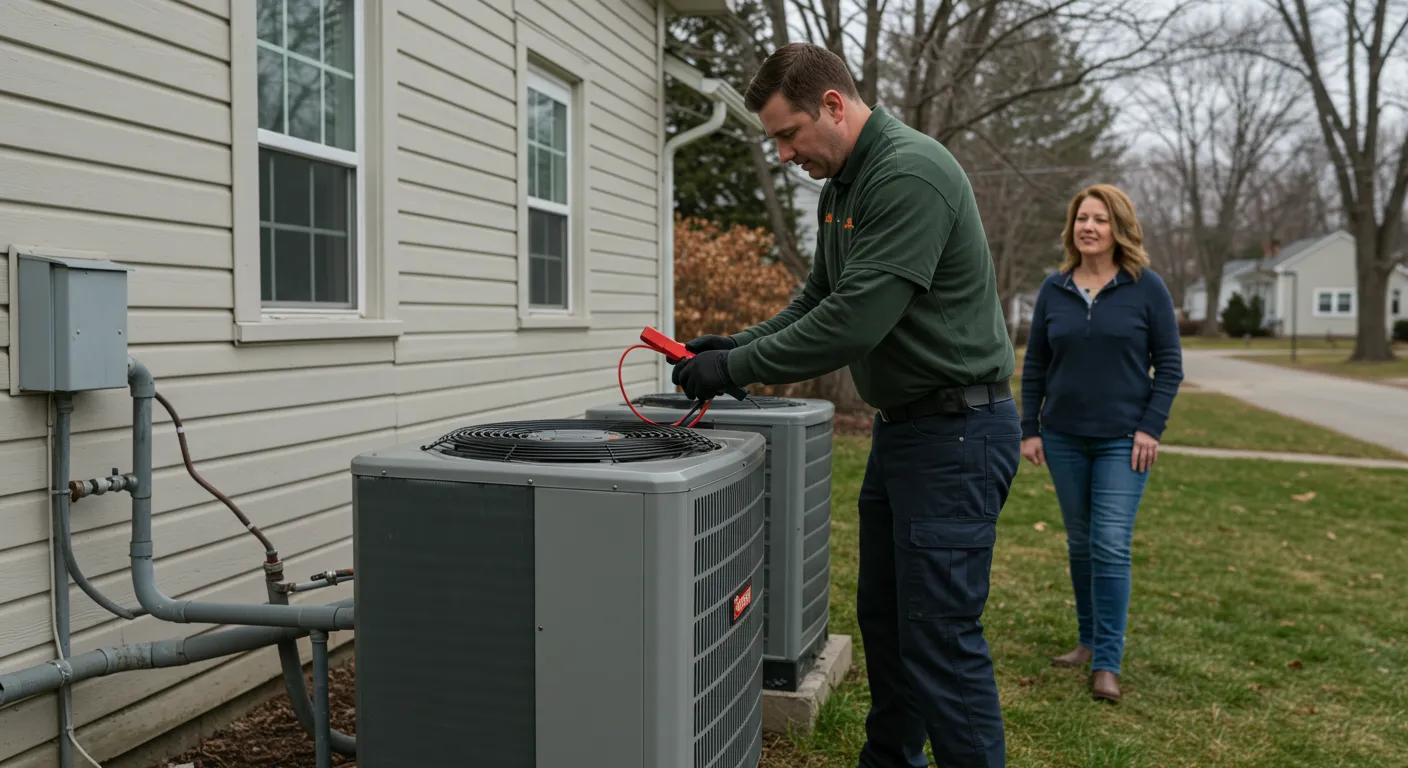
A comprehensive approach to preventative care involves both homeowner vigilance and professional expertise. This ensures that critical components like the outdoor condenser, indoor coils, electrical connections, and blower maintenance are regularly checked. Furthermore, ensuring proper drain clearance is vital to prevent water damage and mold growth.
Here is a list of critical HVAC service checkpoints that form the foundation of effective preventative maintenance:
- Air Filter Condition: Regular inspection and replacement are crucial for airflow and indoor air quality.
- Coil Cleanliness: Evaporator and condenser coils must be free of dirt and debris for efficient heat exchange.
- Refrigerant Levels: Proper charge ensures optimal cooling performance and prevents system strain.
- Electrical Connections: Tightening and inspecting wiring prevents safety hazards and system malfunctions.
- Blower Motor and Fan: Lubrication and cleaning ensure efficient air distribution.
- Drainage System: Clearing condensate lines prevents water backups and potential damage.
- Thermostat Calibration: Accurate temperature readings are essential for precise control and energy savings.
- Ductwork Integrity: Checking for leaks or obstructions maintains airflow and efficiency.
- Safety Controls: Verifying the operation of limit switches, flame sensors, and other safety devices.
- System Performance: Monitoring temperature differentials and pressure readings to assess overall health.
Essential DIY Maintenance Checks
As homeowners, we have a significant role to play in the ongoing health of our HVAC systems. Performing essential DIY maintenance checks can prevent minor issues from escalating and contribute to the system’s overall efficiency. One of the simplest yet most impactful tasks is regular filter changes. Depending on your filter type and household conditions, checking and replacing air filters every one to three months is generally recommended. This improves air quality and ensures proper airflow.
Another crucial DIY task involves maintaining vent clearance. Ensure that all indoor vents are unobstructed by furniture, curtains, or rugs, allowing for optimal air distribution. For outdoor units, regular coil rinsing with a garden hose can remove accumulated dirt and debris, which can impede heat transfer. Keeping the area around the condenser free of leaves, grass clippings, and other debris is also important.
Don’t overlook the condensate lines; these can become clogged with algae, leading to water backups. Periodically flushing them with a vinegar solution can help keep them clear. Finally, remember to check and replace thermostat batteries as needed to avoid unexpected system shutdowns. These simple, consistent actions can significantly impact your system’s performance and longevity.
Professional Seasonal Inspections
While DIY tasks are important, professional seasonal inspections delve deeper, addressing components and issues that require specialized tools and expertise. We recommend scheduling these comprehensive check-ups twice a year—typically in the spring for your cooling system and in the fall for your heating system.
During a professional visit, technicians will typically perform a thorough refrigerant charge check, ensuring your AC is operating at its optimal level. They will also conduct capacitor testing, as failing capacitors are a common cause of system breakdowns. For heating systems, the heat exchanger and burner assembly are meticulously inspected for cracks or corrosion, which could pose serious safety risks, including carbon monoxide leaks. Technicians also check for proper carbon monoxide levels and ensure all safety controls are functioning correctly. Additionally, they measure amp draws on electrical components to identify any signs of excessive wear or impending failure, proactively addressing potential issues before they lead to costly repairs or system downtime. These detailed inspections are vital for maintaining efficiency, extending system life, and ensuring safe operation.
Service Contracts vs. Pay-As-You-Go Maintenance
When considering professional HVAC maintenance, homeowners often face a choice: commit to a service contract or opt for pay-as-you-go maintenance. Both approaches have their merits, and the best decision often depends on individual circumstances, system age, and comfort level with potential unexpected costs.
Let’s compare the two options:
Feature Service Contract (Annual Agreement) Pay-As-You-Go Maintenance Frequency Typically includes one or two scheduled maintenance visits per year (e.g., spring AC, fall furnace) Scheduled as needed, usually when a problem arises or homeowner requests a tune-up Cost Structure Upfront annual fee, potentially with monthly payment options Payment for each individual service call or maintenance visit Priority Service Often includes priority dispatch during peak seasons or emergencies Service based on availability, potentially longer wait times during peak demand Repair Discounts Frequently offers discounts on parts and labor for repairs outside of routine maintenance Full cost for all parts and labor for repairs Emergency Calls Some contracts include reduced or waived diagnostic fees for emergency service Standard diagnostic and service call fees apply for all emergency situations Predictability Provides a predictable annual expense for maintenance Unpredictable expenses, as costs are incurred only when service is performed Exclusions May exclude major repairs (e.g., compressor, heat exchanger) and specific components No specific exclusions, but each repair is charged individually Peace of Mind Can offer peace of mind, knowing regular maintenance is scheduled and priority service is available Less structured, relies on homeowner to remember to schedule maintenance or react to issues Upselling Risk Some consumers report concerns about technicians identifying “necessary” repairs during visits Less frequent interaction may reduce perceived pressure for additional services For many, the value of a service contract lies in the peace of mind it offers, especially during extreme weather events when system reliability is critical. These annual agreements often include priority dispatch, meaning contract holders receive faster service during busy periods. They can also provide repair discounts on parts and labor, which can offset the contract cost if repairs are needed. However, it’s important to carefully review plan exclusions, as major components like compressor or heat exchanger replacements are rarely covered.
Some homeowners find that maintenance contracts may not always be worth the cost, particularly if their system is relatively new and reliable. There’s a perspective that suggests maintenance visits can sometimes lead to unnecessary upsells or recommendations for early equipment replacement. In such cases, a pay-as-you-go approach, where homeowners schedule individual maintenance visits as they deem necessary, might be more cost-effective. For a deeper dive into evaluating whether these agreements align with your home’s unique requirements, exploring resources on effective heating and cooling solutions can provide valuable context. The decision involves weighing the benefits of predictable scheduling and potential savings against the flexibility and potentially lower overall cost of paying for service on an as-needed basis.
Signs Your System Needs Immediate Service
Even with diligent maintenance, HVAC systems can develop issues that require immediate professional attention. Recognizing these warning signs early can prevent minor problems from escalating into major, costly repairs or complete system failure.
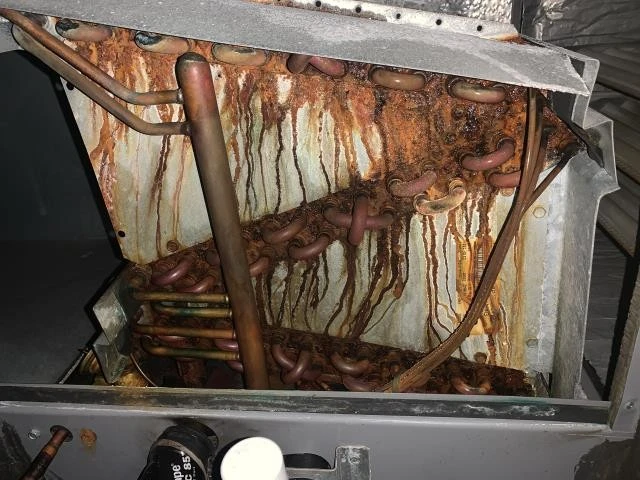
One common indicator is short cycling, where your system turns on and off frequently without completing a full heating or cooling cycle. This not only wastes energy but also puts undue stress on components, shortening their lifespan. Unusual noises, such as grinding, squealing, banging, or persistent rattling, should never be ignored. These sounds often point to mechanical issues with motors, bearings, or fan blades.
Uneven temperatures throughout your home, with some rooms feeling too hot or too cold, can signal problems with airflow, ductwork, or even a failing component within the system. A sudden and unexplained spike in your utility bills, despite consistent usage, is a strong indication of decreased efficiency, suggesting your system is working harder than it should.
Weak airflow from vents can be caused by clogged filters, blocked ductwork, or issues with the blower motor. If you notice puddles or excessive moisture around your indoor unit, it could indicate refrigerant leaks or a clogged condensate drain. Finally, any strange or persistent odors emanating from your vents—such as a burning smell, musty odor, or the distinct smell of gas—warrant immediate investigation, as some can pose serious health and safety risks. If you observe any of these signs, it’s crucial to contact a professional promptly to diagnose and address the issue.
Frequently Asked Questions About HVAC Maintenance
Homeowners often have a range of questions regarding HVAC maintenance, from how often service is needed to its impact on warranties and overall system efficiency. We aim to clarify these common concerns, helping you understand the true value of preventative care.
How often should residential HVAC equipment be serviced?
For most residential HVAC equipment, we generally recommend professional servicing at least twice a year. This typically involves a bi-annual visit: a spring tune-up for your air conditioning system and a fall inspection for your heating system. This schedule ensures that your equipment is prepared for the demands of each season. A spring tune-up focuses on optimizing your AC for the warmer months, checking refrigerant levels, cleaning coils, and ensuring all cooling components are in top condition. Conversely, a fall inspection prepares your furnace or heat pump for the colder weather, checking the heat exchanger, igniter, and safety controls. This seasonal readiness approach helps prevent unexpected breakdowns during peak usage times, improves efficiency, and extends the overall life of your system.
Does routine maintenance really protect manufacturer warranties?
Yes, routine maintenance plays a crucial role in protecting manufacturer warranties. Most HVAC manufacturers require proof of service by a qualified professional to keep their warranties valid. Skipping annual maintenance can lead to warranty compliance issues, potentially voiding your coverage if a major component fails. When you have a professional perform regular check-ups, they document the work, providing the necessary proof of service. This documentation is vital if you ever need to make a warranty claim for parts coverage. Without a record of consistent maintenance, a manufacturer might deny a claim, arguing that the failure was due to neglect rather than a manufacturing defect. Therefore, investing in routine maintenance is not just about system performance; it’s a strategic move to safeguard your investment and ensure that your warranty remains active for potential future repairs.
What are the main indicators of an inefficient HVAC system?
An inefficient HVAC system can manifest in several noticeable ways, often impacting both your comfort and your wallet. One of the most significant indicators is consistently high utility bills that seem out of sync with your usage or the current weather conditions. If your system is working harder to achieve the same results, it’s consuming more energy. Another sign is continuous running; if your HVAC system seems to operate almost constantly without reaching the desired temperature, it’s struggling to maintain comfort, indicating a loss of efficiency.
Temperature imbalance, where certain rooms are significantly warmer or cooler than others, points to issues with airflow, insulation, or system capacity. Lastly, poor dehumidification, especially during humid months, suggests your air conditioner isn’t effectively removing moisture from the air, making your home feel clammy even if the temperature is set correctly. Addressing these indicators through professional maintenance can restore efficiency and improve your home’s comfort.
Conclusion
We’ve explored the multifaceted question of whether annual HVAC maintenance is a worthwhile investment, and the evidence strongly suggests that it is. From extending the lifespan of your system to ensuring optimal energy efficiency and preventing costly emergency repairs, preventative care offers significant advantages. By understanding the various heating and cooling solutions available, recognizing the critical components of preventative care, and knowing the signs that indicate a need for service, homeowners can make informed decisions.
Whether you opt for a service contract or prefer a pay-as-you-go approach, consistent attention to your HVAC system yields a strong long-term ROI. Regular maintenance contributes to system reliability, reduces operating expenses, and helps maintain a comfortable and healthy indoor environment. Prioritizing the care of your heating and cooling equipment is an investment in your home’s comfort, your financial well-being, and the longevity of a critical household system, potentially delaying the need for major replacement planning.

Meg is an author at Cinnamon Hollow. She writes on a variety of topics sharing tips and ideas for daily life.