While not every symptom is going to be a sign of some impending major health issue, there are some that are always worth a closer look. Respiratory issues, such as coughing, wheezing, and difficulty breathing, are something that should never be ignored, especially if the risk of mesothelioma is prominent in your life. While you shouldn’t jump to any conclusions, this is an aggressive disease that needs to be treated quickly for the best outcomes, so here, we’re going to look at what you need to know about the condition and what steps to follow should you suspect you might have it.
When A Cough Is Something To Worry About
There are plenty of conditions that can bring on a lingering or worsening cough, such as seasonal bugs like flu and colds, but that doesn’t mean that it can always be ignored with the expectation that it will get better. One cause to be concerned about is mesothelioma, a rare cancer that affects the lining of the lungs and is typically linked to asbestos exposure. Unlike typical colds or allergies, a mesothelioma-related cough is often dry, painful, and persistent. It may worsen over time and be accompanied by chest discomfort or shortness of breath. As such, if your cough isn’t getting better in a couple of weeks or getting worse, you should take it seriously, especially if you have potentially been exposed to asbestos in the past.
The Full Range Of Symptoms
Coughing is not the only symptom to pay attention to. However, one of the issues with mesothelioma is that many of its symptoms are the same that would appear for less serious illnesses, which can delay action in seeking a diagnosis. Beyond a worsening cough, signs may include chest pain, difficulty breathing, fatigue, unintended weight loss, and in some cases, fluid buildup in the lungs, also known as pleural effusion. These symptoms can develop slowly, literally decades after exposure to asbestos, which can make people mistake them for bronchitis or pneumonia. If you’re experiencing multiple symptoms or your cough comes with fatigue and chest tightness, consult a doctor immediately.
Asbestos Exposure Is The Leading Cause
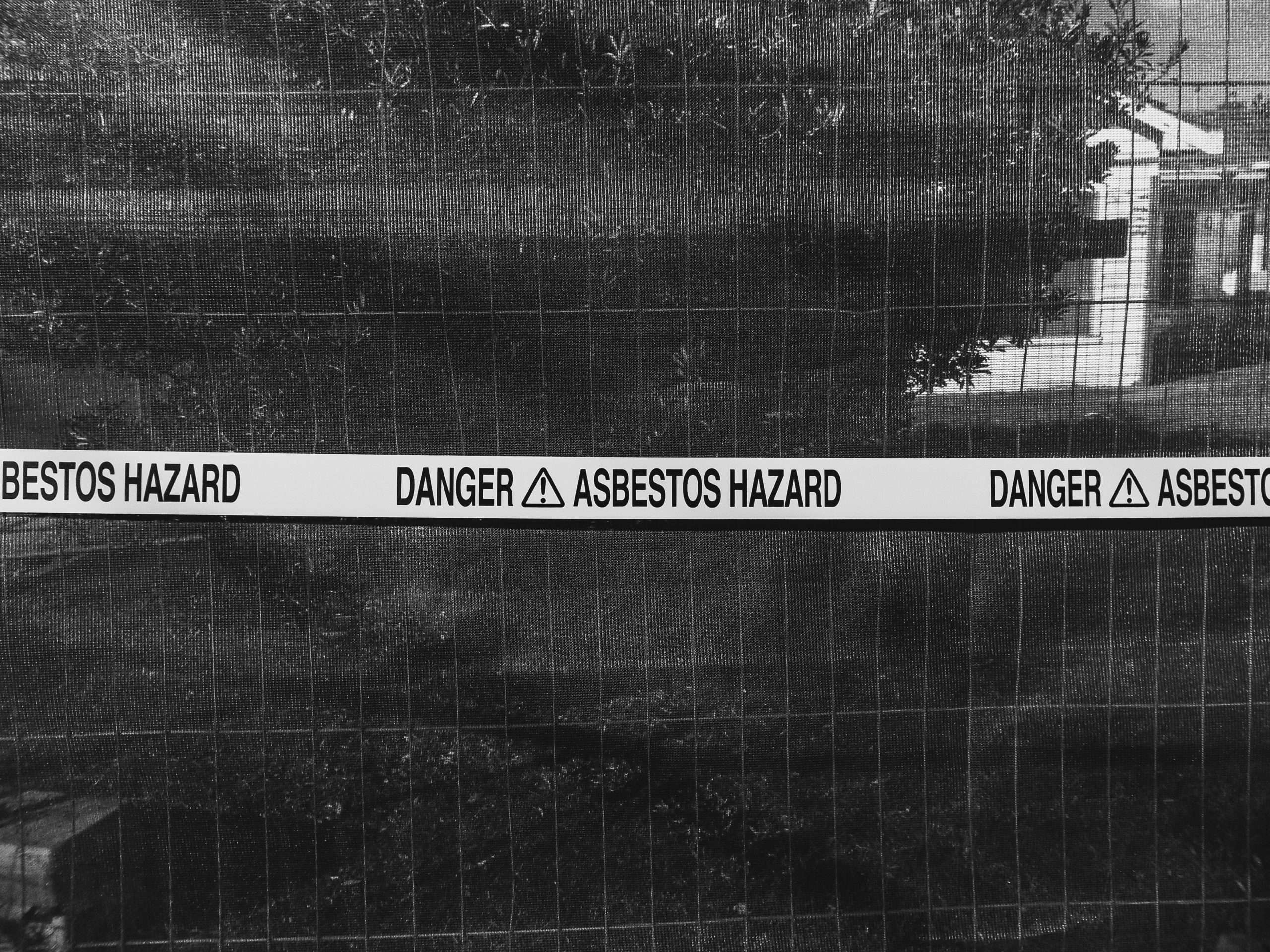
The one factor that should ensure that you don’t ignore any respiratory health problems, alongside the other symptoms, is if you have been in a situation that could have exposed you to asbestos in the past. Asbestos is a toxic material that was once widely used in construction, insulation, shipyards, and manufacturing, and working in any of these industries over the years could put you at risk of exposure. Workers in certain industries or people who lived near asbestos-heavy environments may have unknowingly been exposed. If you think there is any chance this risk factor could have affected you, then it’s important to know the potential risk of mesothelioma and act ASAP on any symptoms that match it. Speaking with an experienced mesothelioma lawyer can also help you understand your legal rights and options for seeking compensation.
Could You Have Been At Risk Without Knowing?
One of the more problematic aspects of asbestos exposure is that we don’t always know when we have been exposed to it. Many people diagnosed with mesothelioma were exposed to asbestos at work without ever being warned of the danger. In some cases, workers unknowingly brought asbestos dust home on their clothes, putting family members at risk too. Companies often failed to inform or protect employees, despite knowing the risks. If your career history includes time in high-risk industries and you’re now experiencing a worsening cough or other respiratory symptoms, consider your occupational exposure a red flag. If you have lived in a building with asbestos, you are two to three times more likely to be diagnosed with mesothelioma, as well.
Getting A Diagnosis
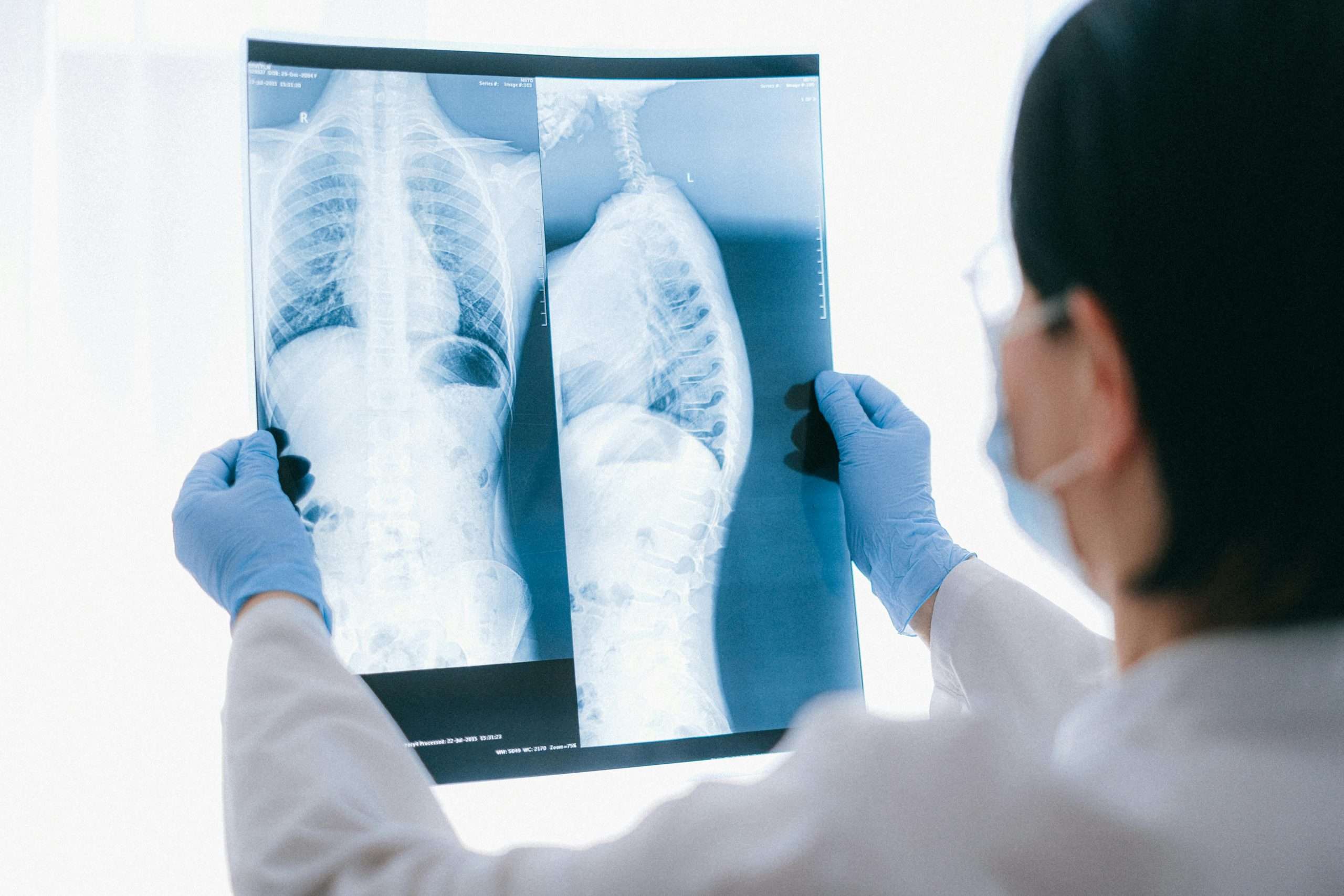
If you believe that your symptoms and risk factors would be a match for a mesothelioma diagnosis, then you should inform your doctor of that fact ASAP. If they agree with your suspicions, they’ll most likely order imaging tests like X-rays, CT scans, or MRIs to try and detect a buildup, which can then be extracted for a biopsy. If it is confirmed to be cancerous, then they may seek the help of specialists like oncologists and pulmonologists to determine the best course of treatment. If caught early enough, surgery to remove the tumor can be the most effective option, but you may explore other treatments such as chemotherapy, radiation therapy, and immunotherapy. However, it’s important to note that, if caught late enough, mesothelioma is often fatal and, as such, palliative care might be the most appropriate option.
Could You Benefit From Legal Help?
Mesothelioma is often caused in part or in full by corporate negligence. Many companies have exposed their workers to asbestos without the necessary protection. If you’re diagnosed, you may be eligible for financial compensation through lawsuits, settlements, or asbestos trust funds, which can help you cover your medical expenses, any lost income, and provide for your family in the event that you’re not able to, so it’s worth looking at this legal resource to find out more. Legal experts specializing in asbestos cases can help you gather medical records, work history, and evidence of exposure to build a strong claim, so you don’t have to face this alone.
Why Speed Matters
You would want to act quickly given the nature of any cancer, but mesothelioma, in particular, progresses rapidly once the symptoms start to appear. As such, it’s often diagnosed in a late stage, at which point, options to treat it may be limited. The condition is not always fatal, so the sooner you act on a persistent cough or other warning signs, the better your chances of effective treatment through surgery, chemotherapy, or other treatment options. Delayed action can mean reduced survival rates and a lower quality of life. If you’re experiencing unexplained respiratory issues and have a history of asbestos exposure, insist on seeing a specialist. Aside from improving your medical outcomes, early detection can also help if you do decide to pursue a legal case.
Mesothelioma is a highly aggressive form of cancer that can be difficult to treat effectively if not caught early. For that reason, it’s important never to delay taking care of it, especially if you fit the risk factors mentioned above.
The owners and authors of Cinnamon Hollow are not doctors and this is in no way intended to be used as medical advice. We cannot be held responsible for your results. As with any product, service or supplement, use at your own risk. Always do your own research and consult with your personal physician before using.