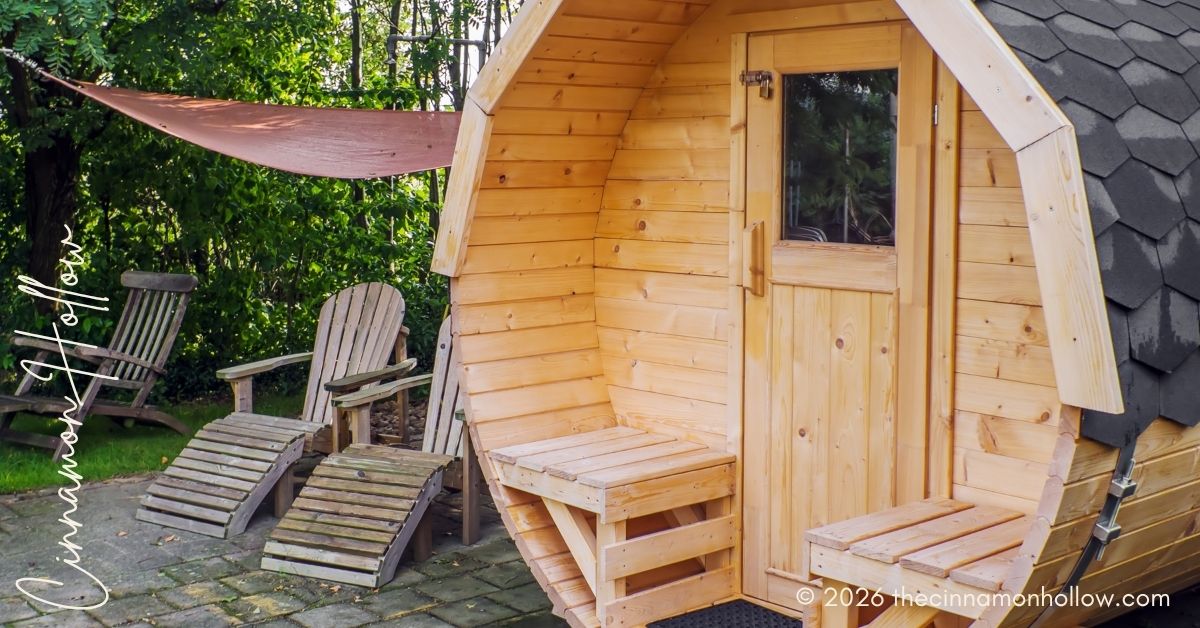
There is a particular kind of quiet that settles over a backyard sauna session. The heat, the wood, the slow exhale after a long week. It is the kind of ritual that used to require a spa membership or a trip to a wellness resort, but more and more households are finding a way to bring that experience home instead. Outdoor saunas have gone from a luxury reserved for the few to a realistic addition for anyone with a bit of yard space and an appetite for a slower, warmer kind of self-care.
The Appeal of Bringing Heat Therapy Home
Heat therapy has been part of wellness routines across cultures for centuries, from Finnish sauna traditions to Japanese onsen bathing. What has changed recently is accessibility. Where a proper sauna once meant a major construction project, prefabricated barrel and pod-style units now arrive largely assembled and ready for a weekend setup. That shift has opened the door for a lot more families to experience the physical and mental benefits of regular sauna use without committing to a full home renovation.
Regular sauna sessions are often associated with easier muscle recovery after exercise, better sleep, and a simple mental reset at the end of a stressful day. For anyone who already leans on baths, essential oil diffusers, or a quiet cup of tea to unwind, a sauna is really just the next step up in that same self-care toolkit.
What to Look for in an Outdoor Sauna
Not every outdoor sauna is built the same way, and the differences matter once you are the one using it every week. Wood-fired units tend to appeal to purists who want the crackle and ritual of tending a fire, while electrically-heated models offer more convenience and consistent temperature control, which suits busy households better.
Size and shape also affect the experience more than people expect. Barrel saunas heat efficiently because of their rounded shape, while square or pod-style units can offer more headroom and a slightly different feel inside. UK retailer Royal Tubs currently stocks a range of Saunas including barrel, pod, iglu, and square styles, which makes it easier to compare options side by side rather than guessing from a single product listing.
Setting Up a Sauna Space at Home
The good news is that most modern outdoor saunas do not require a dedicated building project. A flat, stable base, whether that is decking, gravel, or a concrete pad, is usually enough to get started. Placement matters too. Positioning a sauna somewhere with a bit of privacy, ideally near an outdoor shower or hose for a post-session cool-down, makes the whole ritual feel more complete.
Delivery and assembly logistics vary between suppliers, so it is worth checking what is included before buying. Some retailers offer free delivery and assembly within certain postcode areas, which removes a lot of the friction that used to make backyard sauna ownership feel out of reach.
Building a Simple Sauna Routine
Once the unit is in place, the routine itself does not need to be complicated. Most sessions run between fifteen and twenty minutes, followed by a cooldown period before repeating if desired. Hydration matters more than people expect, since sweating in that kind of heat pulls a lot of water from the body. Many households build sauna time into an existing evening wind-down routine, pairing it with the same kind of intentional, screen-free time they might otherwise spend on a bath or a stretching session.
A Long-Term Investment in Everyday Wellness
Unlike a lot of wellness trends that fade after a season, sauna ownership tends to stick because the benefit is immediate and physical. There is no habit-building curve required. The heat either feels good or it does not, and for most people, it does. That immediacy is a big part of why outdoor saunas have moved from a niche purchase to a genuine home improvement category over the past few years.
Frequently Asked Questions
How much space do I need for an outdoor sauna?
Most barrel and pod saunas need roughly the same footprint as a garden shed, though exact dimensions vary by model. It is worth measuring the intended spot and comparing it against the specific unit’s dimensions before ordering.
Do outdoor saunas work in cold or wet climates?
Yes. In fact, many people find outdoor saunas most rewarding during colder months, since the contrast between the heat inside and the cool air outside is part of the appeal.
Wood-fired or electric, which is better for home use?
It depends on lifestyle. Wood-fired saunas offer a more traditional, hands-on ritual but take longer to heat and require tending. Electric models heat faster and are easier to use on a regular weekday basis.
Is assembly difficult?
Most prefabricated saunas arrive in large panel sections designed for straightforward assembly, and many UK suppliers offer delivery and assembly services within certain areas to make the process even simpler.
How often should someone use a sauna for wellness benefits?
Two to three sessions a week is a common starting point for people looking to build sauna use into a regular self-care routine, though this varies based on personal tolerance and health considerations.

Meg is an author at Cinnamon Hollow. She writes on a variety of topics sharing tips and ideas for daily life.