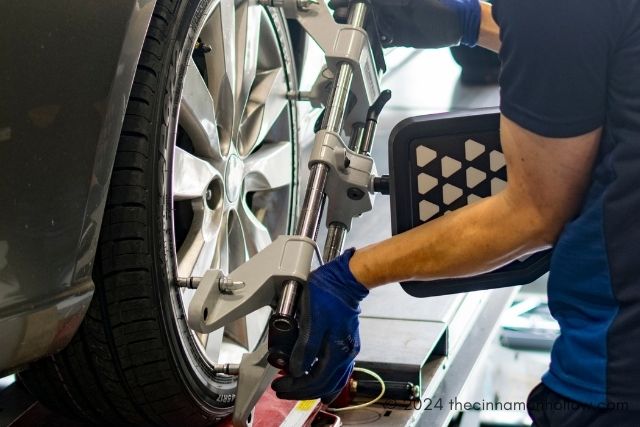
Keeping your family safe on the road actually starts way before you even buckle everyone in with simple vehicle checks. A car that’s looked after is a safer car, and you don’t need to be a master mechanic to handle the basics. Learning just a few simple DIY car care tasks can boost your confidence, save you some cash, and, most importantly, make sure your ride is as dependable as possible for every school run, grocery trip, and family adventure.
Getting familiar with car care basics can help anyone feel more in tune with their vehicle and empower them to handle various situations with confidence. This foundational knowledge not only extends to routine maintenance but also prepares you for unexpected scenarios, like knowing your rights during police checks or roadside stops.
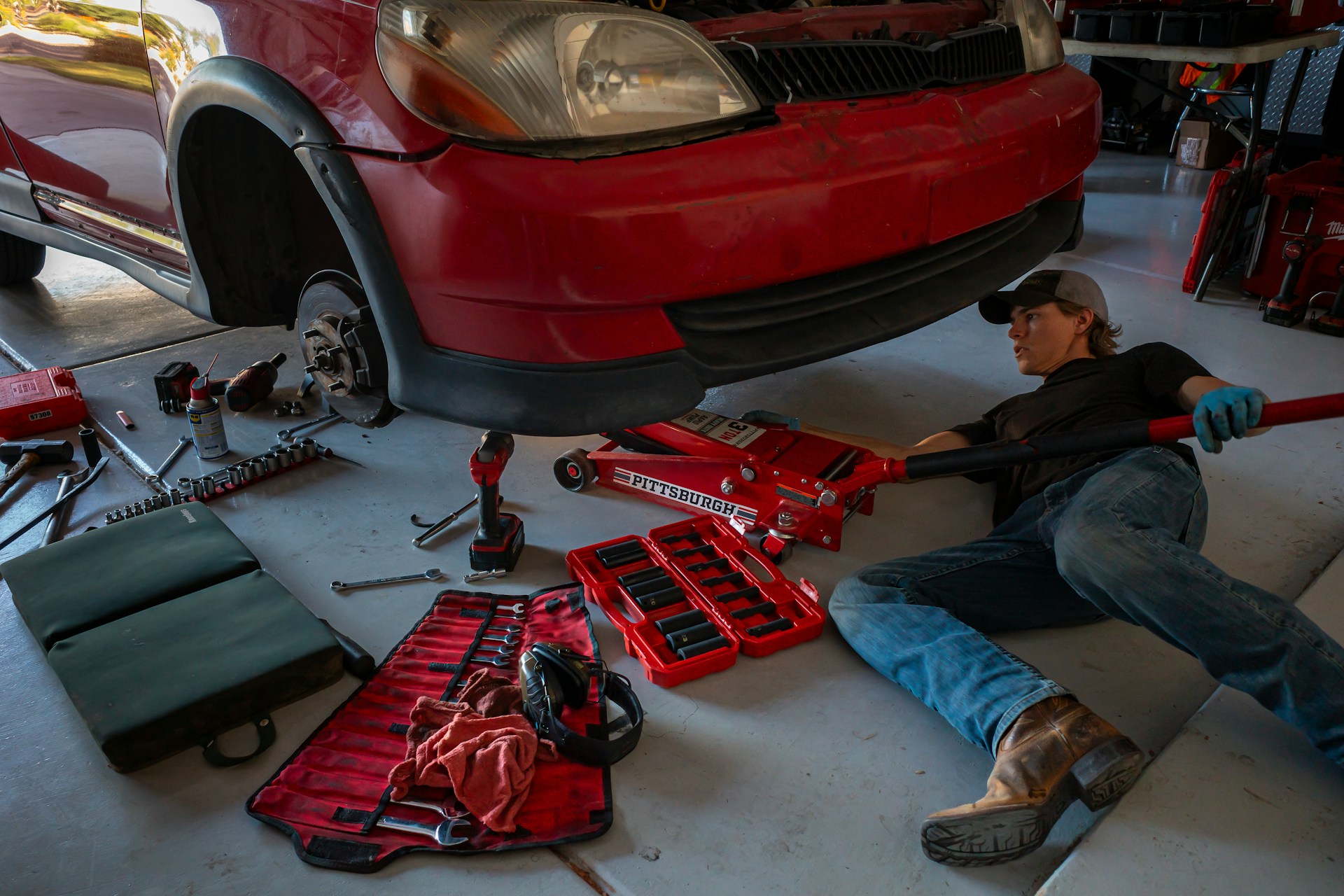
Basic Checks Anyone Can Do
You can learn a ton about your car’s condition by performing some simple vehicle checks once a month. A few quick checks can help you catch small issues before they turn into expensive repairs:
- Check the fluid levels. Windshield washer fluid is usually stored in a white- or blue-capped reservoir and is easy to top off.
- Check the engine oil. Find the dipstick, which often has a bright handle. Pull it out, wipe it clean, push it all the way back in, then pull it out again to check the level.
- Check other essential fluids. Your owner’s manual can show you where to find and check fluids such as coolant and brake fluid.
- Test your lights. Take a quick walk around the car with the lights on to make sure your headlights, taillights, and turn signals are all working properly.
Making these checks a regular habit is one of the easiest ways to stay on top of basic car maintenance. If you’re new to car care, a good beginner’s guide to car care can walk you through the process.
Understanding Your Dashboard Lights
That sudden flash of a new light on your dashboard can definitely make your heart skip a beat, but knowing what the common ones mean can calm you down. Generally, a yellow or orange light is a heads-up that something needs a look soon, while a red light means something more serious is going on, and you should pull over as soon as it’s safe.
The “Check Engine” light is probably the most well-known, and it could mean anything from a loose gas cap to a more serious engine issue. If you see an oil can symbol, your oil pressure is low, and if you see a battery symbol, there is a problem with your charging system. Don’t ignore these warnings! Your car’s owner’s manual is your best friend for figuring out exactly what each symbol means.
Tire Pressure and Tread Depth
Your tires are your only contact with the road, so keeping them in good condition is essential for safety. Check your tire pressure regularly and follow the recommended level in your owner’s manual or driver’s doorjamb. You should also check tread depth. For a quick test, insert a penny into the tread with Lincoln’s head facing down. If you can see the top of his head, it’s time to replace the tire.
Uneven wear, cracks, or bulges are also signs that your tires need attention. When it’s time for replacements, shopping for discount tires can help you find a suitable set without overspending.
Wiper Blade Replacement
Being able to see clearly is a must, especially when you’re driving in rain or snow with your family. If your wiper blades are streaking, skipping, or making a chattering noise, they’re not doing a good job of clearing your windshield anymore. This is one of the easiest and cheapest DIY fixes you can do.
You can grab replacement blades at any auto parts store, and they usually just snap or click right into place. Many stores will even help you put them on for free if you ask. Swapping them out every six months to a year, depending on your local weather, is a small task that makes a huge difference in how well you can see the road.
Keeping the Interior Clean
A clean car interior is about safety and health. Things like loose water bottles, toys, or trash can roll under the brake or gas pedal, which is dangerous. Take a few minutes each week to clear out any clutter from the floorboards and seats. A tidy interior also means better air quality inside your car.
Wiping down the dashboard, steering wheel, and door handles with a gentle cleaner can reduce dust, allergens, and germs. This is extra important if anyone in your family has allergies or asthma. A small, dedicated car trash can is a great way to keep waste under control on the go and makes regular clean-ups much quicker.

Meg is an author at Cinnamon Hollow. She writes on a variety of topics sharing tips and ideas for daily life.