Core Principles of Sustainable Farmhouse Design
The dream of a farmhouse often brings to mind rustic charm and wide-open spaces. But what if that dream could also be incredibly kind to our planet?
This is where the concept of an eco-friendly farmhouse comes in. It blends classic comfort with cutting-edge sustainability. These homes are designed to work with nature, not against it.
An eco-friendly farmhouse offers many benefits. We can enjoy lower energy bills, a healthier indoor environment, and a reduced carbon footprint. It’s about building a home that lasts for generations, while protecting the earth.
In this extensive guide, we will explore what truly defines an eco-friendly farmhouse. We’ll look at smart design principles, innovative materials, and the latest technologies. We will also find how to balance rustic beauty with modern sustainability. Join us as we uncover how to create a home that is both charming and conscious.
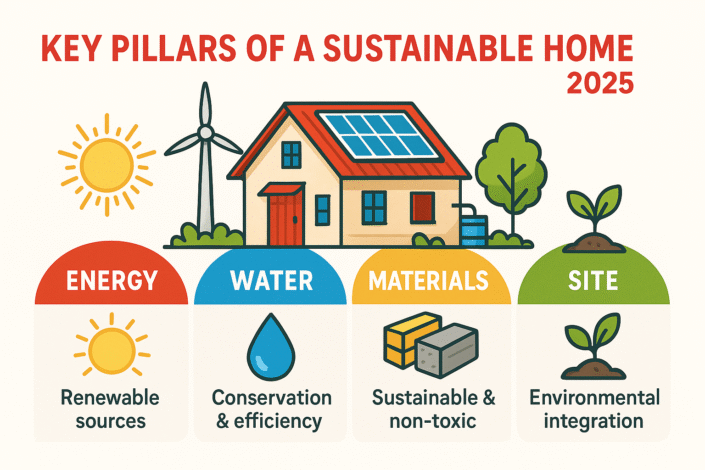
At the heart of every eco-friendly farmhouse lies a commitment to thoughtful design. This isn’t just about adding a few green gadgets; it’s about fundamentally rethinking how a home interacts with its environment. The most important design principles for a sustainable farmhouse revolve around working with the natural landscape and climate.
This includes passive design strategies that minimize the need for artificial heating and cooling. We consider the building’s orientation to maximize natural light and solar gain in winter, while strategically shading it from harsh summer sun. Natural ventilation is key, using prevailing breezes to keep interiors cool and fresh. Site integration means designing the farmhouse to fit harmoniously into its surroundings, rather than imposing on them. This often involves preserving existing vegetation and natural features, which not only maintains the land’s unique identity but also helps with temperature regulation and erosion control.
Here are some key design strategies for sustainability:
- Site Analysis: Understanding local climate, sun paths, wind patterns, and topography to inform design decisions.
- Optimal Orientation: Positioning the farmhouse to take advantage of passive solar heating in colder months and natural shading in warmer ones.
- Natural Ventilation: Designing window and door placements to create cross-ventilation, reducing reliance on air conditioning.
- Daylighting: Maximizing natural light to reduce the need for artificial lighting during the day.
- Compact Footprint: Designing efficient layouts that minimize the overall size of the home, reducing material use and energy demand.
- Integration with Landscape: Preserving existing trees, incorporating native plants, and designing outdoor spaces that complement the home’s sustainable features. For instance, creating a garden outside the home can improve biodiversity and provide fresh produce.
Maximizing Energy Efficiency
Energy efficiency is a cornerstone of the eco-friendly farmhouse. Our goal is to create a home that sips energy rather than guzzles it. This begins with a highly insulated and airtight building envelope, which acts like a thermal blanket, preventing heat loss in winter and heat gain in summer. High-performance insulation, often thicker and more advanced than standard options, is crucial. This is paired with energy-efficient windows, typically double or triple-glazed, that minimize heat transfer while still allowing ample natural light.
Beyond the envelope, innovative technologies play a significant role. Geothermal systems harness the stable temperature of the earth to provide efficient heating and cooling. Solar panels, installed on roofs or in open fields, convert sunlight into electricity, often making the farmhouse net-zero or even energy-positive. Smart home technology allows for precise control over lighting, heating, and cooling, optimizing energy use based on occupancy and weather conditions. These features contribute to the impressive statistic that sustainable homes can reduce energy consumption by up to 60% compared to conventional homes. For more insights into how these homes perform, it’s worth exploring the energy efficiency of various sustainable building types.
Water Conservation and Waste Management
An eco-friendly farmhouse extends its sustainability efforts to water and waste. Water conservation is achieved through various methods, starting with rainwater harvesting systems that collect precipitation from roofs and store it for non-potable uses like irrigation or toilet flushing. Greywater recycling systems take water from sinks and showers, treat it, and repurpose it for landscape irrigation, significantly reducing freshwater demand. Inside the home, low-flow fixtures for faucets, showers, and toilets drastically cut down on water usage without sacrificing performance.
Outside, permeable paving allows rainwater to soak into the ground rather than running off, replenishing groundwater and reducing stormwater runoff. Waste management is equally critical. On-site composting of organic waste turns kitchen scraps and yard trimmings into nutrient-rich soil amendments. Comprehensive waste reduction strategies, including robust recycling programs and conscious purchasing, minimize the amount of waste sent to landfills. These practices ensure that the farmhouse operates as a closed-loop system as much as possible, minimizing its environmental footprint.
The Best Materials for Your Eco-Friendly Farmhouse
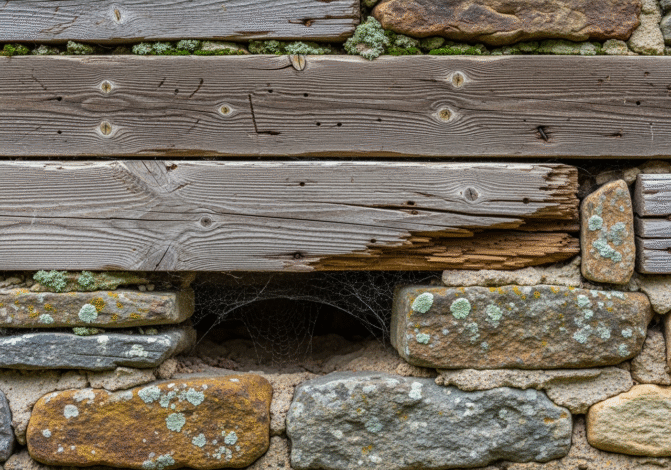
Choosing the right construction materials is paramount in building an eco-friendly farmhouse. We prioritize natural materials, renewable resources, and those with low embodied carbon – meaning less energy was used in their production, transportation, and installation. Durability is also a key factor, as long-lasting materials reduce the need for frequent replacements and associated resource consumption. Combining these materials requires a thoughtful approach to eco-friendly farmhouse design that balances aesthetics with performance.
Using Reclaimed and Locally Sourced Materials
One of the most impactful ways to reduce a farmhouse’s environmental footprint is by incorporating reclaimed and locally sourced materials. Reclaimed wood beams, salvaged brick, and antique fixtures not only reduce demand for new resources but also inject unique character and history into the home. Upcycled furniture further minimizes waste and adds a personalized touch. By sourcing materials locally, we significantly reduce transportation emissions, supporting regional economies and fostering a sense of community. This approach is not just about sustainability; it’s about creating a home with a story. Modern farmhouse designs that use reclaimed wood and vintage furniture not only reduce waste but also lower the carbon footprint associated with new material production, proving that style and sustainability can go hand-in-hand.
Innovative Natural Building Materials
Beyond traditional reclaimed items, several innovative natural building materials offer superior environmental performance. Rammed earth, a technique where natural raw materials like earth, chalk, lime, or gravel are compacted into forms, creates incredibly durable, fire and pest-resistant, low-maintenance walls that can last for hundreds of years. This ancient method, seen in historical structures like the Great Wall of China, provides excellent thermal mass, naturally regulating indoor temperatures. Strawbale construction, using bales of straw as structural or insulating elements, offers exceptional insulation values and is a renewable agricultural byproduct. Other sustainable options include cork flooring (harvested from cork oak trees without harming them), bamboo (a rapidly renewable grass), sheep wool insulation (natural, breathable, and excellent insulator), and lime plaster (a breathable, non-toxic alternative to synthetic finishes). These materials contribute to a healthier indoor environment and a lighter impact on the planet. For those interested in exploring these options further, many online resources on green home building offer valuable insights.
Inspiring Eco-Friendly Farmhouse Styles

The concept of an eco-friendly farmhouse is incredibly versatile, encompassing a wide range of architectural styles and design philosophies. From minimalist aesthetics to off-grid capabilities, sustainable farmhouses demonstrate remarkable design flexibility. This diversity allows homeowners to choose a style that not only aligns with their environmental values but also reflects their personal taste and functional needs.
The Modern Prefab Eco-Friendly Farmhouse
Prefabricated (prefab) construction has revolutionized sustainable building, offering factory-built precision that significantly reduces construction waste compared to traditional on-site methods. This approach leads to faster build times and consistent quality. Modern prefab eco-friendly farmhouses often feature modular design, allowing for efficient assembly and customization. They are typically built with high-quality insulation and airtight envelopes, ensuring excellent energy performance from the outset. The efficiency of prefab homes is highlighted by the fact that they generate significantly less construction waste due to precise factory processes, making them a highly sustainable building option. For those considering this path, exploring various farmhouse collections can provide inspiration for combining classic aesthetics with modern efficiency.
The Net-Zero and Passive Eco-Friendly Farmhouse
Pushing the boundaries of sustainability, net-zero and passive eco-friendly farmhouses aim for ultimate energy independence. A net-zero home produces as much energy as it consumes annually, often through on-site renewable sources like solar panels. Zero-carbon homes can even produce surplus energy that can be sent to the grid, making them not only self-sufficient but also contributors to renewable energy supply. Passive farmhouses, based on the rigorous Passivhaus standard, achieve ultra-low energy consumption through superior insulation, airtight construction, and heat recovery ventilation systems that maintain excellent indoor air quality. These homes require minimal heating and cooling, relying heavily on passive design principles to maintain comfortable indoor temperatures year-round. They represent the pinnacle of energy-efficient living, offering both environmental benefits and long-term cost savings.
Sustainable Interiors: Rustic Charm Meets Green Living
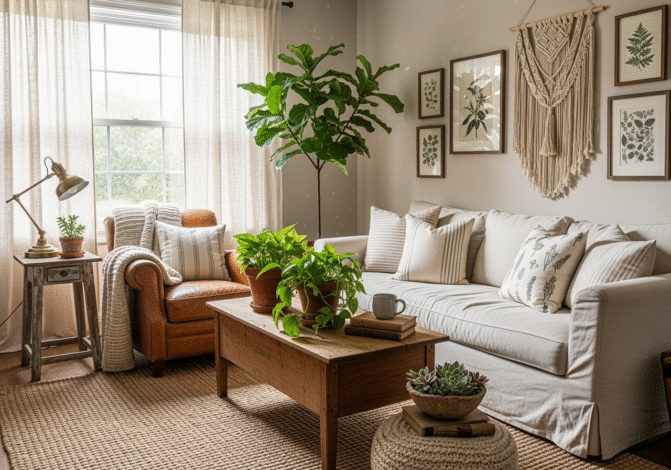
The interior of an eco-friendly farmhouse is where rustic charm truly meets green living. It’s about creating a space that feels warm, inviting, and connected to nature, while also prioritizing the health of its occupants and the planet. This means selecting non-toxic materials, ensuring healthy indoor air quality, and embracing a timeless aesthetic that won’t quickly go out of style.
Furnishings and Finishes
When decorating the interior of a sustainable farmhouse, our focus is on materials that are gentle on the environment and promote a healthy living space. This includes using low-VOC (volatile organic compound) paints, which emit fewer harmful chemicals into the air. Natural fiber textiles like organic cotton, linen, hemp, and wool are preferred for upholstery, curtains, and bedding due to their breathability and sustainable production. Jute rugs add natural texture and are highly renewable.
Vintage furniture and upcycled decor are excellent choices, as they reduce the demand for new manufacturing and often come with a rich history. Modern farmhouse designs that use reclaimed wood and vintage furniture not only reduce waste but also lower the carbon footprint associated with new material production. This approach allows us to balance rustic charm with modern sustainability, creating interiors that are both beautiful and responsible. For inspiration on incorporating vintage elements, there are many online resources about vintage farmhouse decor.
Lighting and Ambiance
Lighting in an eco-friendly farmhouse is designed to maximize natural light while providing efficient and warm artificial illumination. Large windows and strategically placed skylights flood the interiors with daylight, reducing the need for electric lights during the day. When artificial lighting is necessary, LED lighting is the preferred choice due to its exceptional energy efficiency and long lifespan. Smart light controls can further optimize energy use by automatically adjusting brightness based on natural light levels or occupancy. Layered lighting design, combining ambient, task, and accent lighting, creates a cozy and functional ambiance without excessive energy consumption. The aim is to create a bright, airy feel that connects occupants with the outdoors, while ensuring that every light source is as efficient as possible.
Frequently Asked Questions about Sustainable Farmhouses
What are the biggest challenges when building a sustainable farmhouse?
Building a sustainable farmhouse, while incredibly rewarding, does come with its unique set of challenges. One of the primary problems is often sourcing certified materials that meet specific environmental standards, as these may not be as readily available as conventional options in all areas. Finding experienced builders and contractors who specialize in green building techniques and are familiar with innovative materials like rammed earth or strawbale can also be difficult. Navigating local building codes and regulations, which may not always be updated to accommodate cutting-edge sustainable practices, can require extra effort and persistence. Finally, while sustainable homes offer long-term savings, the initial investment for certain advanced technologies and specialized materials can sometimes be higher, requiring careful financial planning.
How can I make my existing farmhouse more eco-friendly?
Changing an existing farmhouse into a more eco-friendly dwelling is a fantastic way to blend heritage with sustainability. We recommend starting with a comprehensive energy audit to identify areas of significant energy loss. Upgrading insulation in walls, attics, and floors is often the most impactful step. Installing energy-efficient windows and doors can dramatically reduce heating and cooling costs. Adding renewable energy systems, such as solar panels, can offset electricity consumption. Implementing water-saving fixtures, like low-flow toilets and showerheads, and considering rainwater harvesting systems are excellent ways to conserve water. Even small changes, like switching to LED lighting or improving natural ventilation, can make a significant difference. For general guidance on making your home greener, consider exploring resources on green living.
What is the first step to designing a new sustainable farmhouse?
The very first step to designing a new sustainable farmhouse is to clearly define your sustainability goals. What aspects are most important to you: net-zero energy, water independence, natural materials, or a combination? Next, a thorough assessment of your building site is crucial. Understanding its topography, solar orientation, prevailing winds, and existing natural features will heavily influence the design. We strongly recommend hiring an architect or designer with proven expertise in green building and sustainable design. Their knowledge will be invaluable in translating your vision into a practical, eco-friendly plan. Prioritizing passive design principles from the outset will lay the groundwork for a truly efficient and comfortable home. If you’re ready to start this journey, discussing your project goals with a professional is a great way to explore how your dream can become a sustainable reality.
Conclusion: Embracing a Greener Country Lifestyle
The eco-friendly farmhouse represents a harmonious blend of timeless charm and forward-thinking sustainability. We’ve explored how thoughtful design principles, innovative materials, and smart technologies can create homes that are not only beautiful and comfortable but also profoundly beneficial for the planet. From maximizing energy efficiency through passive design and renewable energy systems to conserving water and managing waste responsibly, every aspect contributes to a lighter environmental footprint.
Embracing a greener country lifestyle in an eco-friendly farmhouse offers numerous advantages: reduced utility bills, a healthier indoor environment, and the satisfaction of contributing to a more sustainable future. These homes provide a unique and marketable experience, whether for personal enjoyment or as a desirable rental property, appealing to a growing demographic of environmentally conscious individuals. The future of housing is undoubtedly green, and the eco-friendly farmhouse stands as a testament to living in harmony with nature without sacrificing style or comfort.
If you’re inspired to build your own sustainable retreat, we invite you to explore the possibilities within various farmhouse collections.

Meg is an author at Cinnamon Hollow. She writes on a variety of topics sharing tips and ideas for daily life.