
Wrestling looks unlike any other youth sport a parent has navigated before. The weigh-ins, specialized gear, scoring systems, and the mat itself do not translate directly from soccer or basketball.
Most of that early anxiety comes from simple unfamiliarity rather than the sport actually being harder to manage. Knowing the shape of a season in advance removes the bulk of that stress. These seven points cover what veteran wrestling parents wish someone had handed them before day one.
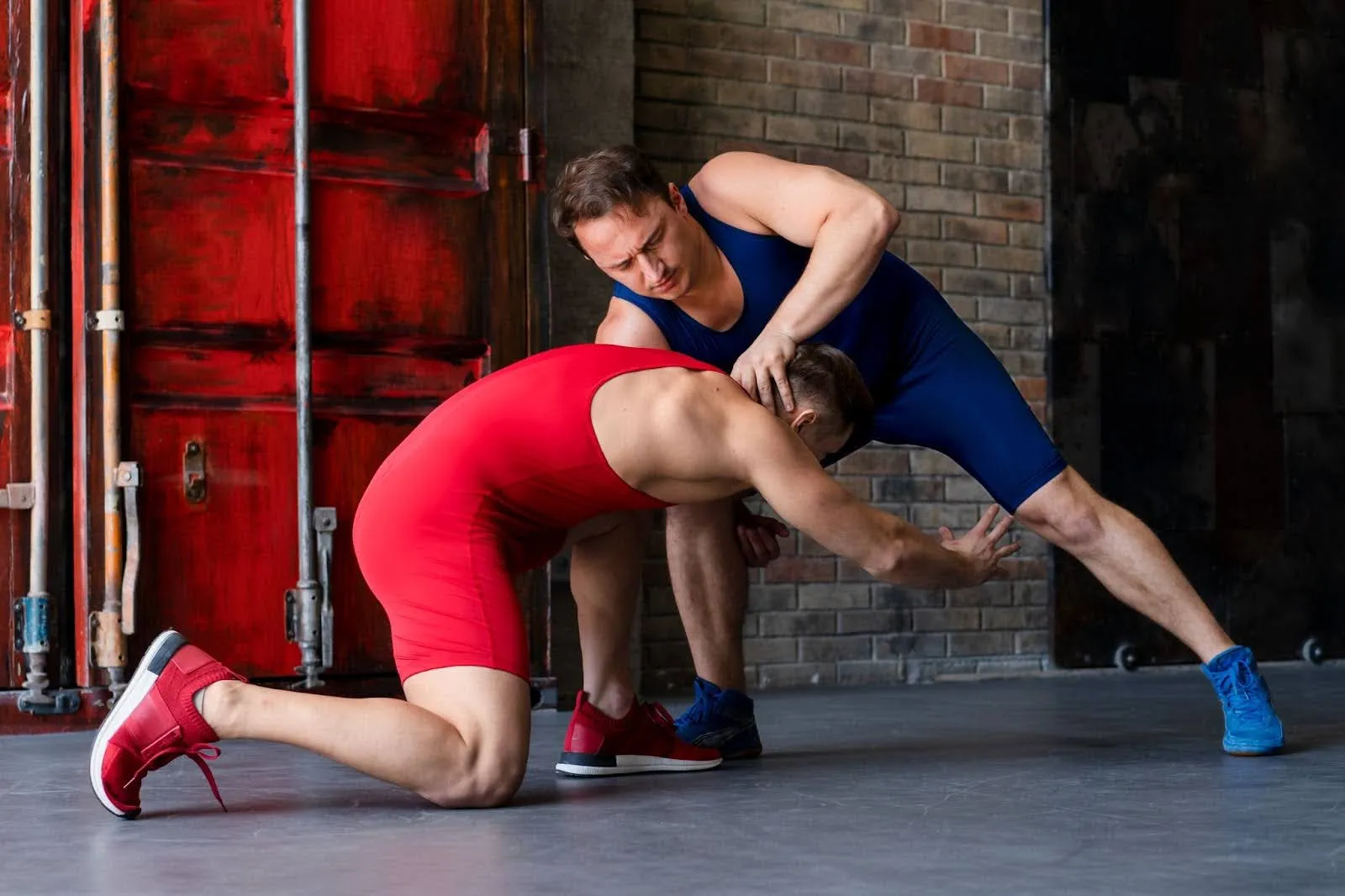
1. Individual Matches Build The Team Score
Wrestling operates as an individual and team sport simultaneously. Each bout features one athlete against one opponent, while every match result adds to a cumulative team score across the entire meet.
A child might lose their individual match by two points while the team still wins the overall event by a significant margin. Neither a single loss nor a single win defines the outcome.
2. Natural Weight Management Replaces Dieting
Youth leagues place athletes into brackets so that every match happens between competitors of roughly the same size. A child simply competes at the classification that fits their natural body mass.
Any coach who discusses cutting pounds with young wrestlers raises a red flag worth addressing directly with the athletic administration. The National Federation of State High School Associations (NFHS) and the American Academy of Pediatrics (AAP) both flag aggressive weight reduction as a health risk for developing youths.
| Key Insight: Youth weight classes are a safety guardrail, not a performance target. The system is built around a child’s natural, healthy body, and any coach suggesting otherwise is a red flag. |
3. Streamlined Team Kit Orders
The necessary gear list remains specific but short. Athletes only need a singlet, headgear, wrestling shoes, and a mouthguard for competition.
What catches first-time families off guard is that the apparel order often falls to a parent volunteer rather than the school athletic department. Ordering as a coordinated squad keeps the per-child cost reasonable while preventing sizing inconsistencies across the roster.
Parent coordinators frequently consolidate their group orders by purchasing custom wrestling singlets for kids from Sports Gear Swag because bulk discounts apply as the order scales. The supplier provides a free design preview so the team can verify the finished look before submitting payment.
4. Daily Hygiene Habits Matter
Skin-to-skin contact and shared mat surfaces require strict daily hygiene practices. Ringworm and staph infections remain documented risks in all grappling sports.
The CDC recommends consistent equipment washing as a primary prevention measure against skin infections. The singlet, headgear, and any base layers must go into the wash immediately after practice every single day.
| Important: A skipped wash day is a preventable skin infection risk. Build the daily gear-wash habit in week one so it becomes an unthinking routine, not a daily battle, before the season intensifies. |
5. Meet Schedules Stretch Out
A scheduled two-hour event frequently stretches to four hours without any single delay causing the overrun. Multiple brackets compete sequentially, meaning small pauses compound at every stage of the tournament.
Bring plenty of food and something to occupy the gaps between matches. Pack these supplies with the baseline expectation that the posted schedule functions as a rough estimate rather than a rigid timetable.
6. Scoring Knowledge Beats Sideline Coaching
The physical drilling and coach instruction happening directly on the mat build a wrestler’s skill over months of repetition. Shouting advice from the bleachers during a live bout actively disrupts a young athlete’s focus at the moment they need it most. Parents gain far more by learning how the league actually calculates points during a bout.
For example, a takedown earns 3 points when an athlete brings an opponent to the mat from a standing position. A reversal scores 2 points when the bottom wrestler regains control. An athlete who secures an escape earns 1 point for breaking free to a neutral stance.
| Pro Tip: Learn the basic scoring: takedown (3), escape (1), reversal (2), near-fall (2-4). A parent who can read the score follows the match calmly and has zero need to shout from the bleachers. |
7. Evaluate Everything After February
The first month of a competitive season presents the hardest physical and logistical challenges. Young athletes are learning complex techniques that take several months to feel comfortable or automatic.
Early losses happen frequently and rarely predict how the athlete will perform at the end of the year. Parents should decide in advance to evaluate the full experience only after the final tournament concludes.
The Bottom Line
Most necessary knowledge comes simply from attending practices and sitting in the bleachers during weekend meets. Organizing the team singlet order in October and establishing a strict washing machine routine for headgear removes the daily friction from the sport. The parents who navigate the winter smoothly organize their gear, learn the point system, and show up consistently for the long haul.
| Author Profile: Sports Gear Swag is the leading online retailer of custom sports apparel and gear for teams, schools, and organizations of all sizes. Specializing in team jerseys, uniforms, and athletic apparel with a wide range of customization options. |

Sports Gear Swag is the leading online retailer of custom sports apparel and gear for teams, schools, and organizations of all sizes. Specializing in team jerseys, uniforms, and athletic apparel with a wide range of customization options.


