Industrial safety gloves play an essential role in protecting workers across industries such as manufacturing, construction, automotive, warehousing, logistics, and chemical handling. They help reduce the risk of cuts, abrasions, punctures, and exposure to workplace hazards while improving confidence and productivity. As a result, businesses are always looking for ways to maximize the lifespan of their gloves without compromising worker safety.
Choosing high-quality gloves from a leading glove manufacturer is an important first step, but proper care and responsible usage are equally important. With a few simple practices, businesses can extend the usable life of industrial safety gloves while ensuring they continue to provide reliable protection when it matters most.
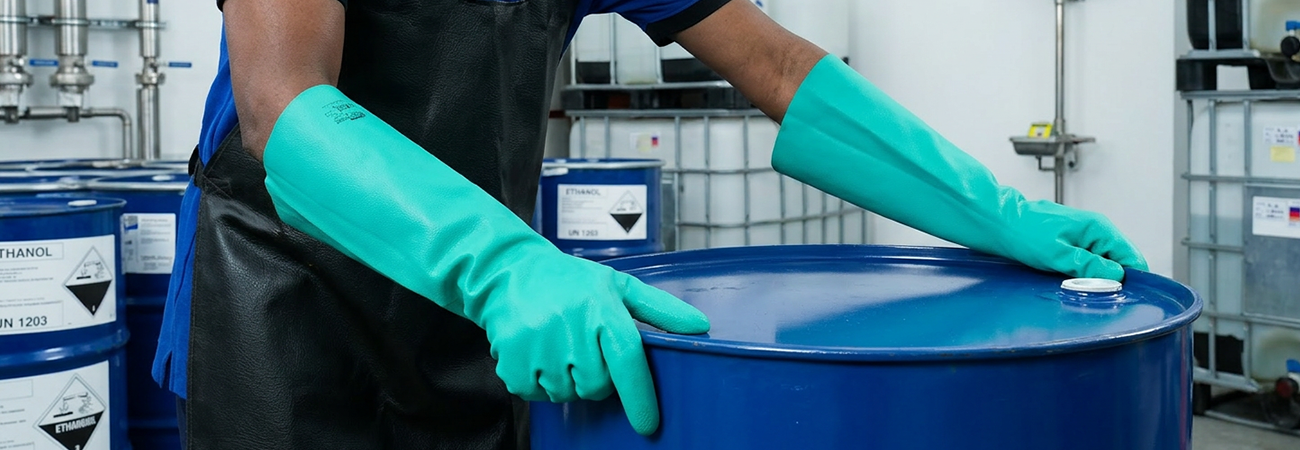
Select the Right Gloves for the Job
One of the most effective ways to improve glove longevity is to ensure workers are using gloves designed for their specific tasks. Different work environments present different hazards, and no single glove is suitable for every application.
Using lightweight gloves for heavy-duty mechanical work or chemical gloves for sharp material handling can result in unnecessary wear and tear. Selecting gloves that match the intended application helps reduce damage, enhances worker comfort, and ensures the gloves perform as expected throughout their service life.
Encourage Regular Inspections
Safety gloves should be inspected before each use to identify signs of wear or damage. Small issues such as tears, punctures, worn coatings, or loose stitching can reduce the level of protection provided by the glove.
Routine visual inspections help workers identify gloves that need replacement before they become a safety concern. This simple habit not only protects employees but also prevents damaged gloves from being used beyond their safe lifespan.
Keep Gloves Clean
Cleaning industrial gloves according to the manufacturer’s recommendations can significantly extend their usability. Dirt, grease, oils, and chemicals can gradually weaken glove materials, affecting both comfort and performance.
Regular cleaning removes contaminants that may accelerate deterioration while also helping maintain grip and flexibility. However, harsh cleaning methods or unsuitable chemicals should be avoided, as they may damage protective materials and reduce glove effectiveness.
Store Gloves Properly
Proper storage is often overlooked but plays an important role in maintaining glove quality. Gloves left in direct sunlight, excessive heat, or damp environments may degrade more quickly than those stored correctly.
A clean, dry storage area away from extreme temperatures helps preserve the materials and coatings used in industrial safety gloves. Organizing gloves neatly also prevents unnecessary crushing, stretching, or contamination between uses.
Train Employees on Correct Usage
Even the highest-quality gloves can wear out prematurely if they are used incorrectly. Providing basic training on how to wear, remove, and handle safety gloves helps minimize avoidable damage.
Workers should understand that gloves are designed for specific workplace hazards and should not be used for tasks outside their intended purpose. Encouraging proper removal techniques can also prevent unnecessary stretching or tearing, helping gloves remain in better condition for longer.
Avoid Using Damaged Gloves
While extending glove life is beneficial, safety should always remain the top priority. Gloves that show visible signs of damage should be replaced rather than repaired or reused beyond their intended service life.
Continuing to use compromised gloves can increase the risk of workplace injuries and may ultimately cost more through accidents or reduced productivity. A balanced approach focuses on maximizing glove life while recognizing when replacement is the safest option.
Build a Preventive Glove Management Routine
Businesses that establish simple glove management practices often see better results over time. Routine inspections, scheduled replacements where necessary, proper storage, and employee awareness all contribute to improved glove performance and more efficient PPE management.
These practices not only help reduce unnecessary waste but also support a safer working environment where workers can rely on their protective equipment every day.
Conclusion
Extending the life of industrial safety gloves does not require complicated processes. By selecting the right gloves for each application, encouraging regular inspections, maintaining proper cleaning and storage habits, and replacing gloves when they are no longer safe to use, businesses can achieve a balance between durability and dependable protection.
A proactive approach to glove care supports workplace safety, improves operational efficiency, and helps organizations get the most value from their personal protective equipment without compromising the protection workers depend on.

Meg is an author at Cinnamon Hollow. She writes on a variety of topics sharing tips and ideas for daily life.