Your home’s plumbing usually stays out of sight and out of mind—right up until something starts gurgling, backing up, or leaking where it absolutely shouldn’t. Small warning signs often show up long before a full-blown mess, and catching them early can save you money, stress, and a pretty grim weekend. If you want to protect your home, it helps to know what hidden plumbing issues look like, what they can lead to, and when it’s smart to call in help.
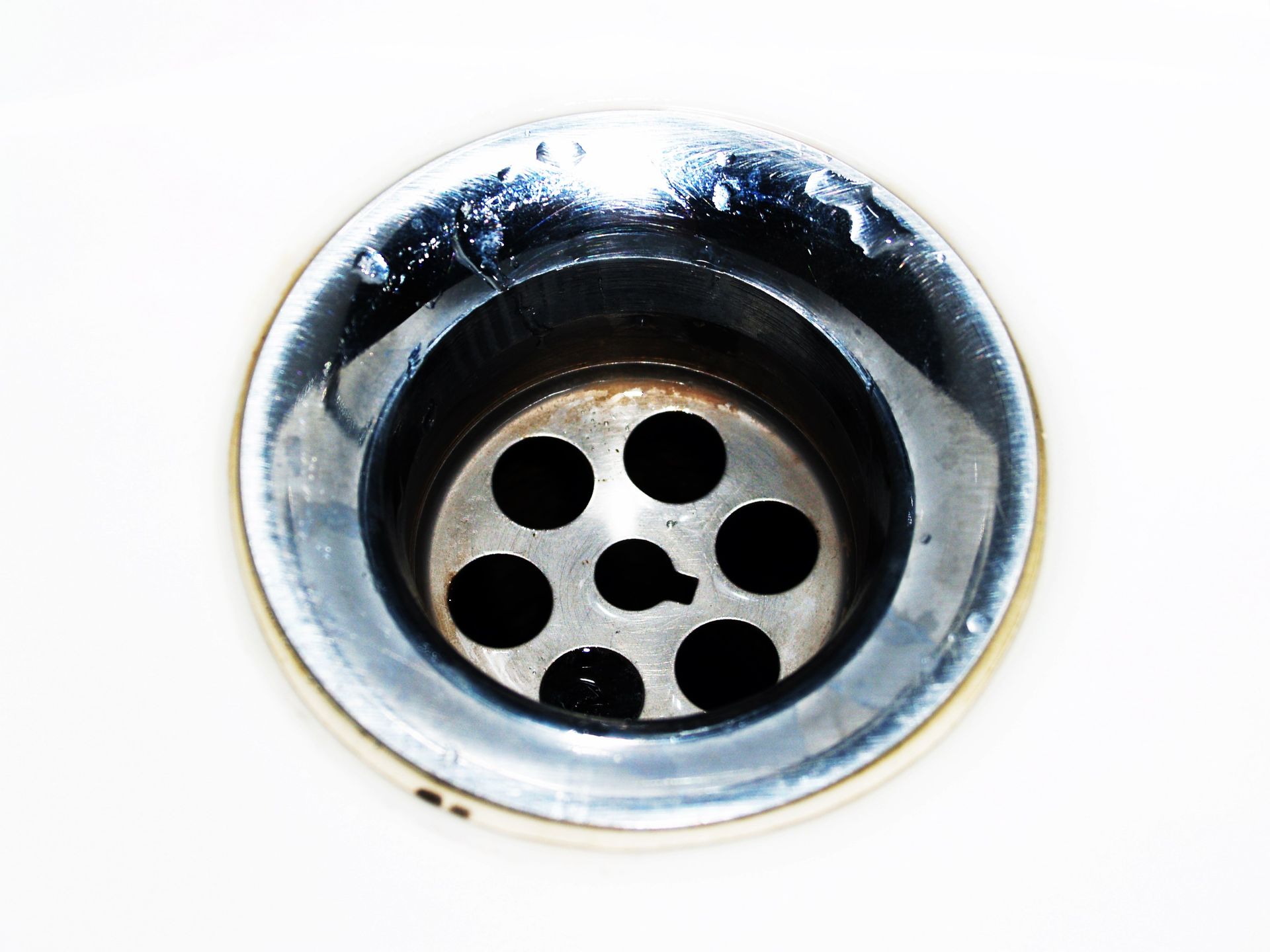
Slow Drains Are Usually a Warning, Not a Minor Annoyance
A slow sink or tub drain can seem harmless at first. You might assume it’s just a bit of hair, soap residue, or grease building up over time. Sometimes that’s true. Sometimes it’s the first clue that something deeper in your plumbing system is starting to clog.
Watch for patterns instead of isolated incidents. If one bathroom sink drains slowly, that may be a local blockage. If multiple drains in your house are sluggish, the issue could be farther down the line. That’s where bigger trouble starts to creep in.
Pay attention to signs like:
– Water pooling around your feet in the shower
– A kitchen sink that takes forever to empty
– Bubbling sounds after water goes down
– Repeated clogs that keep coming back
When several fixtures act up at once, it may be time to look into professional drain cleaning and sewer line repair rather than reaching for another bottle of chemical cleaner and hoping for a miracle.
Bad Smells Can Point to More Than a Dirty Drain
Plumbing odors have a way of making themselves known at the worst possible moment. If you notice a persistent sewage smell near sinks, tubs, toilets, or in the yard, don’t brush it off as a temporary issue.
A foul odor often signals trapped waste, a dry drain trap, a venting problem, or even a cracked sewer line. None of those are great houseguests. Sewer gas inside your home is especially worth taking seriously because it can affect indoor air quality and make your space uncomfortable fast.
You may notice the smell:
– In the bathroom after flushing
– Near the basement floor drain
– Outside over one patch of lawn
– Around the kitchen sink, especially after using the dishwasher
Odors that linger or keep returning usually mean there’s an underlying plumbing issue that needs real inspection, not just air freshener and crossed fingers.
Gurgling and Bubbling Sounds Mean Air Is Getting Trapped
Your plumbing system should move water smoothly and quietly. If your toilet gurgles when the washing machine drains or your sink bubbles after you run the shower, something is off.
Those noises often happen when air gets trapped because water can’t move through the pipes the way it should. In practical terms, your plumbing is trying to tell you it’s struggling. Think of it as a very unhelpful but very noisy alarm system.
Common causes include:
– Partial blockages in drain lines
– Vent stack problems
– Sewer line obstruction from roots or debris
– Pressure imbalances in older plumbing systems
This kind of symptom matters because it often appears before a complete backup. Once wastewater starts coming back up through a low drain or basement shower, the situation gets expensive and unpleasant in a hurry.
Water Stains and Rising Bills Can Reveal Hidden Leaks
Not every plumbing problem announces itself with a dramatic burst pipe. Some are quieter, which can make them more frustrating and more expensive over time. A hidden leak behind a wall, under flooring, or beneath your foundation may cause damage for weeks before you spot it.
Your monthly water bill can be one of the first clues. If your usage jumps without any obvious reason, start investigating. Check ceilings, walls, and baseboards for discoloration, warping, or peeling paint.
You might notice:
– A musty smell in one room
– Warm or damp spots on the floor
– Cracks forming near plumbing walls
– Water marks under cabinets or around fixtures
Leaks don’t just waste water. They can also lead to mold growth, wood rot, damaged drywall, and flooring repairs that cost far more than fixing the original plumbing issue.
Older Homes Need Extra Attention to Underground Plumbing
If your home is older, the underground plumbing system deserves more attention than it probably gets. Materials used decades ago can corrode, crack, collapse, or shift as soil conditions change. Even if everything appears fine on the surface, aging pipes may be one heavy rain or root invasion away from causing major trouble.
Clay, cast iron, and older metal pipes are especially vulnerable. Tree roots love tiny cracks and weak joints. Once they get in, they expand the damage and slow wastewater flow until backups start happening.
If you live in an older home, it helps to:
– Schedule inspections when recurring problems appear
– Ask about camera line checks
– Avoid planting trees close to sewer lines
– Keep records of past repairs and drain issues
Preventive attention may sound boring, but compared with digging up a yard or replacing damaged flooring, boring wins.
Knowing When to Call a Professional Can Save You Thousands
Some plumbing fixes are perfectly manageable. A simple sink clog or a worn flapper in a toilet usually doesn’t require a rescue team. Hidden plumbing issues are different because the visible symptom is often just the tip of the problem.
Call a professional if you’re dealing with repeated clogs, multiple slow drains, sewage odors, unexplained wet areas, or backups affecting more than one fixture. Those are signs that the issue may involve underground lines, venting, or system-wide drainage problems.
A proper diagnosis can include specialized tools like drain cameras, pressure testing, and leak detection equipment. That approach is far more accurate than guessing, and it helps prevent short-term fixes that fail a month later.
Plumbing problems rarely improve with time. They usually get more expensive, more disruptive, and more disgusting. Catching them early keeps your home safer, cleaner, and a lot easier to live in.
Final Thoughts on Staying Ahead of Hidden Plumbing Trouble
You don’t need to become a plumbing expert to protect your home. You just need to notice what your house is telling you. Slow drains, odd smells, bubbling noises, wet patches, and unexplained water costs all deserve attention.
The best move is to treat these signs as early warnings instead of background annoyances. A fast response can prevent structural damage, mold growth, sewage backups, and emergency repair bills that hit like a truck. Staying proactive with inspections and maintenance keeps your plumbing system working the way it should—quietly, efficiently, and without any nasty surprises.

Meg is an author at Cinnamon Hollow. She writes on a variety of topics sharing tips and ideas for daily life.