Your wedding DJ does more than play songs. They read the room, control the energy, manage your schedule, and keep 100 guests on the same page without anyone noticing. A great DJ makes your reception feel effortless. A poor one can make a perfectly planned event feel disjointed and flat.
Hiring a DJ for a wedding is one of the most high-impact decisions in your vendor lineup. Couples who treat it as an afterthought often regret it. The information below walks you through every stage of the process, from setting a realistic budget to knowing exactly what questions to ask before you sign anything.
Key Takeaways
- Book 9 to 12 months out because quality DJs fill their calendars fast, especially for Saturday dates.
- Budget between $1,200 and $3,500 for a professional wedding DJ, depending on your market and package.
- A contract protects you from last-minute cancellations, equipment failures, and pricing disputes.
- Your DJ needs a do-not-play list just as much as a playlist so nothing awkward surprises you mid-reception.
- Communication style matters because a DJ who listens well before the wedding performs better during it.
What Does a Wedding DJ Actually Do?
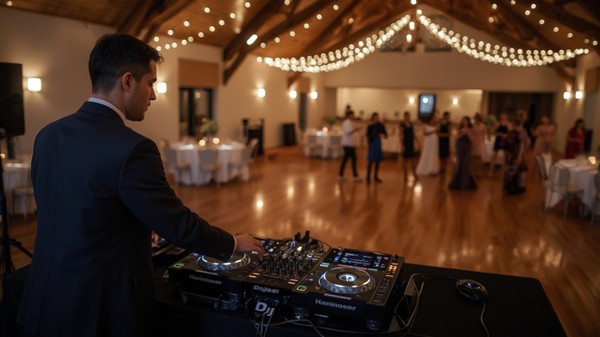
Quick Answer: A wedding DJ manages music, transitions, and announcements across your entire reception. They handle cocktail hour, dinner ambiance, first dances, and open dancing while coordinating timing cues with your planner and venue staff.
Think of your DJ as the audio director of your reception. They are not just pressing play on a playlist. A professional DJ reads crowd energy in real time and adjusts tempo, genre, and volume accordingly. They also make announcements for cake cutting, toasts, and bouquet tosses without disrupting the flow of the evening.
Many DJs also serve as emcee, which means they introduce your wedding party, coordinate with your caterer on dinner timing, and keep transitions smooth. That dual role is worth asking about when you compare candidates.
How Much Should You Budget for a Wedding DJ?
Quick Answer: Most couples spend between $1,200 and $3,500 on a professional wedding DJ. Rates vary by region, hours of coverage, equipment quality, and whether the DJ also serves as emcee. Premium markets and peak dates cost more.
| DJ Tier | Typical Price Range | Hours of Coverage | Equipment Level | Emcee Included |
|---|---|---|---|---|
| Budget DJ | $500 to $1,100 | 4 to 5 hours | Basic speaker setup | Sometimes |
| Mid-Range Professional | $1,200 to $2,200 | 5 to 6 hours | Quality PA, wireless mics | Yes |
| Premium DJ | $2,500 to $3,500 | 6 to 8 hours | Full lighting, backup gear | Yes |
| Luxury/Destination DJ | $4,000 and above | 6 to 10 hours | Custom lighting, sound design | Yes |
Always ask what is included in the quoted price. Travel fees, lighting packages, and overtime rates are common add-ons that can shift your total cost significantly.
When Should You Book a Wedding DJ?
Quick Answer: Book your wedding DJ 9 to 12 months before your date. Saturday dates in spring and fall are the most competitive. Waiting until 3 to 4 months out limits your choices and often means settling for less experienced performers.
Popular DJs book out fast. If you have a date locked and a venue secured, your DJ search should start immediately. Engagement season, which runs November through February, is when couples flood the market with inquiries. Move early and you keep more options open.
What Questions Should You Ask a Wedding DJ Before Hiring?
Quick Answer: Ask about backup equipment, experience with your venue, how they handle song requests, whether they carry liability insurance, and how many weddings they have performed as the primary DJ. Ask to see a sample contract before committing.
Questions About Experience
Find out how many weddings they DJ each year and how long they have been doing it full-time. A DJ who performs 40 weddings annually has seen every type of crowd and venue challenge. That experience is hard to replicate.
Questions About Equipment and Backup Plans
Ask specifically whether they carry backup speakers, a second laptop, and a spare controller. Equipment failures happen. A professional always shows up with redundancy built in. If a DJ cannot answer this question confidently, that is a red flag.
Questions About Music and Playlists
Ask how they handle requests from guests during the reception. Ask whether they mix live or use pre-set playlists. Ask how they approach genres that cross generational lines, since most wedding crowds span at least three decades of music taste.
How Do You Find a Reputable Wedding DJ in Your Area?
Quick Answer: Start with referrals from your venue and wedding planner, then cross-reference reviews on Google, WeddingWire, and The Knot. Watch video clips from real weddings, not just promotional reels, before booking.
Local search is your best starting point. For couples in the Southeast, searching for the best wedding DJ Raleigh NC surfaces vetted local professionals with region-specific experience and venue familiarity. Pairing that search with referrals from your venue coordinator gives you a shortlist worth trusting.
One company that consistently appears in those regional searches is Miami Vibes wedding DJ Raleigh, known for high-energy receptions and strong emcee presence at venues across the Triangle area.
When you review candidates, prioritize DJs who send a detailed questionnaire before your consultation. That habit signals they approach your event as a custom experience, not a template gig.
What Should a Wedding DJ Contract Include?
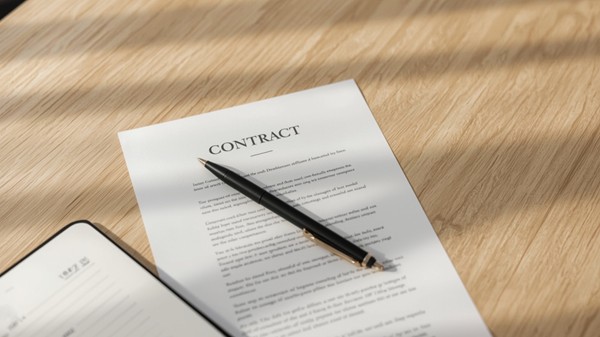
Quick Answer: A solid DJ contract should include your event date, start and end times, total fee, deposit amount, cancellation policy, substitution clause, overtime rate, and equipment list. Never pay in full before the event without these terms in writing.
The substitution clause is especially important. It protects you if your booked DJ becomes unavailable. The contract should state that any substitute must be approved by you and match the same skill level. Without this clause, a company can legally send someone you have never met or vetted.
How Do You Prepare Your DJ for Your Wedding Day?
Quick Answer: Send your DJ a detailed timeline, a must-play list of 10 to 15 songs, a do-not-play list, and your ceremony song selections at least three weeks before the event. Schedule a final call one week out to confirm all logistics.
Your do-not-play list is just as valuable as your favorites list. If certain songs carry bad memories or you simply cannot stand a particular artist, tell your DJ explicitly. A professional will honor those boundaries without question.
Also share your reception timeline in detail, including when dinner service starts, when speeches happen, and when you want the dance floor to open. The more context your DJ has, the better they can read transitions in real time.
Frequently Asked Questions
Is a DJ better than a live band for a wedding?
A DJ offers more song variety, lower cost, and easier volume control than a live band. Bands create a unique atmosphere but typically cost two to four times more and have set lists that cannot flex in real time. The right choice depends on your budget and the vibe you want.
Do wedding DJs take requests from guests?
Most professional DJs accept requests but filter them through your preferences. You can instruct your DJ to only play requests that fit your approved genre list. This keeps the floor energized without losing control of your reception’s tone.
How long does a wedding DJ typically perform?
Most wedding DJ packages cover 5 to 6 hours, which includes cocktail hour, dinner, and dancing. Setup time is usually separate and not counted against your performance hours. Overtime is typically billed in 30 or 60 minute increments.
Should your wedding DJ also be your emcee?
Having your DJ serve as emcee simplifies coordination and keeps announcements tied directly to music cues. It works well when the DJ has strong public speaking skills and has reviewed your timeline in detail. Ask to hear a sample of their emcee style before booking.

Meg is an author at Cinnamon Hollow. She writes on a variety of topics sharing tips and ideas for daily life.