Art gives kindergarteners a friendly language for ideas that may feel difficult to explain with words. A planned lesson can turn crayons, paper, paint, and curiosity into useful practice with color, shape, balance, and visual storytelling. Parents also gain a clear routine that keeps creative time purposeful without making it feel rigid.
Young learners benefit when instruction feels playful, manageable, and connected to familiar subjects. Animal themes, artist stories, and guided projects can hold attention while introducing valuable creative concepts. The right package helps families build confidence through steady progress and enjoyable practice. This article will guide you better.
A Kindergarten Package Built Around Animals
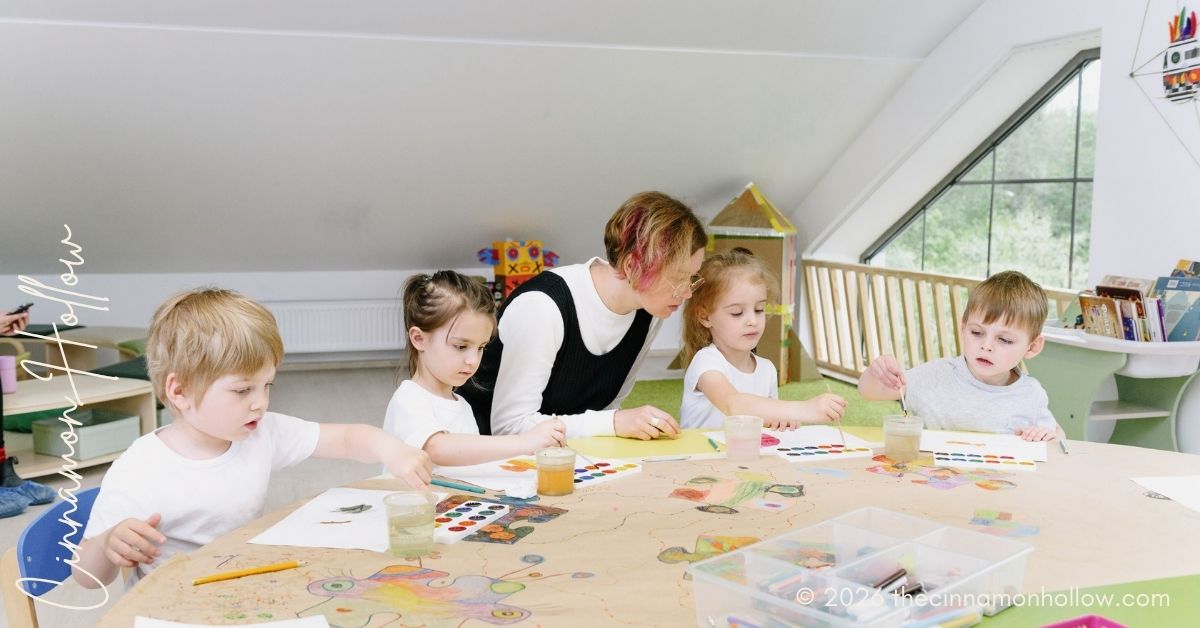
The homeschool art curriculum for kindergarten centers on six online classes that explore animals from different regions. Each class contains three video segments, including facts about the featured animal and guided drawing and coloring instruction. Children also receive a printable map showing where each creature lives, creating a natural connection between art and geography. A complete supply list and simple teaching guide make preparation easier for parents.
Skills Children Can Practice:
The animal-centered package introduces essential concepts through age-appropriate projects:
- Lines and shapes help children break animals into simple visual parts.
- Symmetry and patterns strengthen observation and careful mark-making.
- Texture and color blending encourage experiments with shades and details.
- Composition teaches how subjects and backgrounds can share a page effectively.
These concepts support fine-motor control, visual awareness, and independent creative decisions. Guided steps provide reassurance, while personal choices preserve a valuable sense of ownership.
Package 1 Introduces Major Art Movements
Package 1 pairs a kindergarten option with twelve artist-based lessons created for grades one through six. Its wider course selection covers Impressionism, Cubism, Naive Art, Pointillism, Expressionism, Abstract art, and Fauvism. Families with children of different ages can use animal lessons for kindergarteners and save masterpiece projects for later study. This structure supports continued artistic development across several school years.
Packages 2 and 3 Expand Cultural Study
These two packages widen the artistic range across several periods and traditions:
- Package 2 covers Surrealism, Pop Art, Ukiyo-e, Renaissance art, Cubism, Impressionism, and American Realism.
- Package 3 covers African American art, Social Realism, American Realism, Impressionism, Cubism, Renaissance art, Surrealism, Post-Impressionism, Collage Art, and Pop Art.
- Each Grades 1 to 6 package includes 12 online art classes and seven hours of content.
- Every class includes four video segments, a review PDF, self-paced access, and teaching support.
This variety helps children connect technique with history, culture, and artistic purpose. The homeschool art curriculum also gives parents a clear route for extending creative study after the kindergarten level.
What Parents Should Check Before Choosing
A suitable package should match the child’s attention span, hand strength, and comfort with guided tasks. Parents should confirm that supplies are easy to obtain and that lessons can pause at natural points. Younger children may respond better to several short sessions than one lengthy class. Flexible pacing keeps the experience positive while preserving each lesson’s educational value.
Visual art has an established place in elementary education. The National Center for Education Statistics reported that 83 percent of public elementary schools offered instruction specifically designated for visual arts during the 2009–10 school year. This figure supports giving creative work a regular place within a child’s learning schedule.
Creative packages can make kindergarten art time easier to organize and more rewarding to complete. Animal lessons provide an accessible starting point, while artist studies offer space for continued growth. A thoughtful choice can nurture confidence, curiosity, and lasting appreciation for visual expression.

Meg is an author at Cinnamon Hollow. She writes on a variety of topics sharing tips and ideas for daily life.