Looking after your mental health doesn’t always require expensive gym memberships or complicated fitness routines. Sometimes, the most effective way to improve your mood is simply by moving your body in the comfort of your own home. Home workouts are convenient, affordable, and can easily fit into even the busiest schedule, making them an excellent option for supporting both your physical and emotional wellbeing.
Whether you’re feeling stressed, anxious, or simply lacking motivation, creating a regular home workout routine can help you feel stronger, calmer, and more energized.
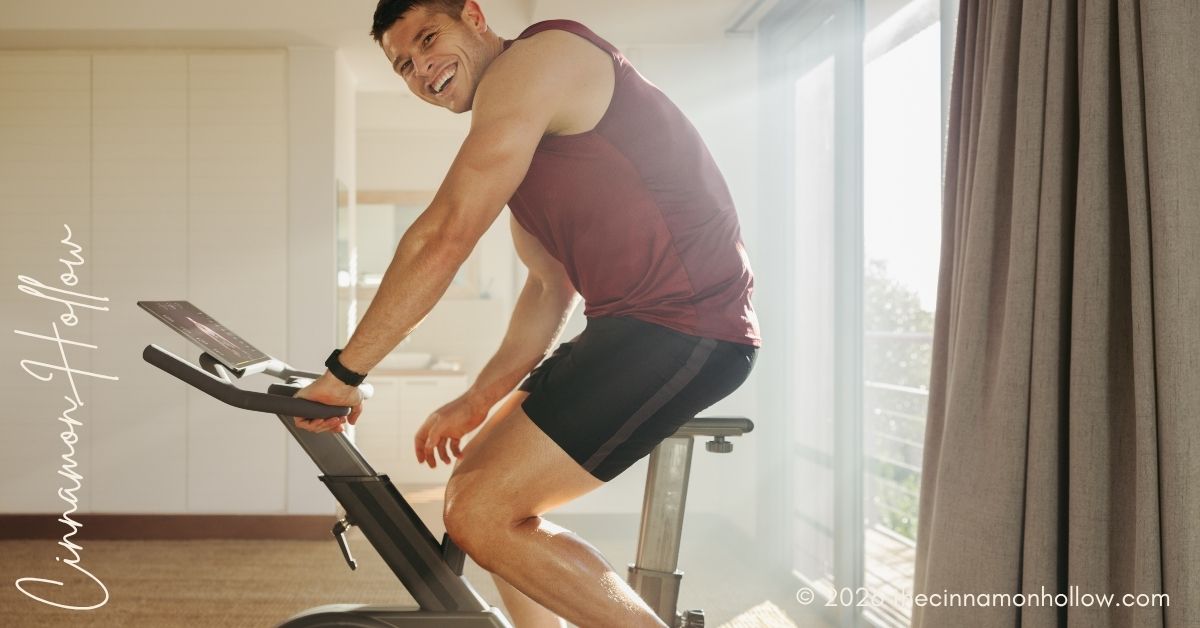
Why Exercise Supports Mental Wellbeing
Physical activity does much more than improve fitness. When you exercise, your body releases chemicals that naturally boost your mood and reduce feelings of stress. Regular movement can also improve sleep quality, increase confidence, and provide a healthy outlet for everyday worries.
Working out at home removes many of the barriers that stop people from exercising. There’s no commute, no waiting for equipment, and no pressure to compare yourself with others. You can exercise at your own pace and choose activities you genuinely enjoy.
The Best Home Workouts for Mental Health
The good news is that you don’t need fancy equipment to experience the mental health benefits of exercise. Some effective options include:
- Bodyweight strength training: Exercises like squats, lunges, push-ups, and planks help build strength while giving you a sense of achievement.
- Yoga: Gentle stretching combined with mindful breathing helps reduce tension and encourages relaxation.
- HIIT workouts: Short bursts of higher-intensity exercise can leave you feeling energized in as little as 20 minutes.
- Dance workouts: Dancing to your favorite music is a fun way to improve your mood while getting your heart pumping.
- Pilates: This low-impact exercise improves posture, flexibility, and body awareness while promoting calm focus.
The most important factor is consistency rather than intensity. Even a short workout can make a noticeable difference to how you feel.
Create a Routine That Works for You
One of the biggest advantages of exercising at home is flexibility. Choose a time of day when you’re most likely to stick with it, whether that’s first thing in the morning, during a lunch break, or after work.
Start with manageable sessions of 15 to 20 minutes and gradually increase the duration as your fitness improves. Scheduling workouts into your calendar can also help turn exercise into a healthy habit rather than something you only do when you feel motivated.
Remember that missing a workout occasionally is perfectly normal. The goal is long-term consistency, not perfection.
Combine Movement with Mindfulness
Exercise becomes even more beneficial when paired with mindfulness techniques. Focus on your breathing during each movement, notice how your muscles feel, and stay present rather than thinking about your to-do list.
Finishing your workout with a few minutes of stretching or deep breathing can help lower stress levels and leave you feeling refreshed. This combination of physical movement and mental awareness supports both your body and mind.
Some people also choose to complement their exercise routine with tools such as the Brain-Body Therapy app, which encourages a holistic approach to emotional wellbeing alongside healthy lifestyle habits.
Stay Motivated at Home
Maintaining motivation can sometimes be challenging, especially when exercising alone. Setting realistic goals, tracking your progress, or inviting a friend or family member to join you virtually can help you stay committed.
It’s also worth celebrating small wins. Completing three workouts in a week or increasing the number of repetitions you can perform are all signs of progress. Focusing on how exercise makes you feel, rather than solely on physical results, often leads to greater long-term success.
Final Thoughts
Working out at home is one of the simplest ways to support your mental health while improving your overall fitness. You don’t need expensive equipment or hours of free time to enjoy the benefits. By choosing activities you enjoy, building a realistic routine, and staying consistent, you can create positive habits that strengthen both your body and your mind.
The owners and authors of Cinnamon Hollow are not doctors and this is in no way intended to be used as medical advice. We cannot be held responsible for your results. As with any product, service or supplement, use at your own risk. Always do your own research and consult with your personal physician before using.