Weather plays a role in many Kansas City crashes, but it is almost never the legal cause. Fault turns on whether a driver adjusted to the conditions, not on whether the conditions happened to be bad.
Kansas City lies in western Missouri, where the Missouri and Kansas rivers meet. It is known for barbecue, jazz history, and a downtown ringed by working rail yards and distribution centers. The area sits where cold northern air collides with warm moisture pushed up from the Gulf, which produces ice storms, sudden downpours, and dense morning fog.
Certain roads absorb the worst of it, including elevated ramps, river bottoms, and stretches shaded by bluffs. A Kansas City lawyer for car accidents examines speed, spacing, and vehicle condition in the minutes before impact. Everything below follows from that single question.
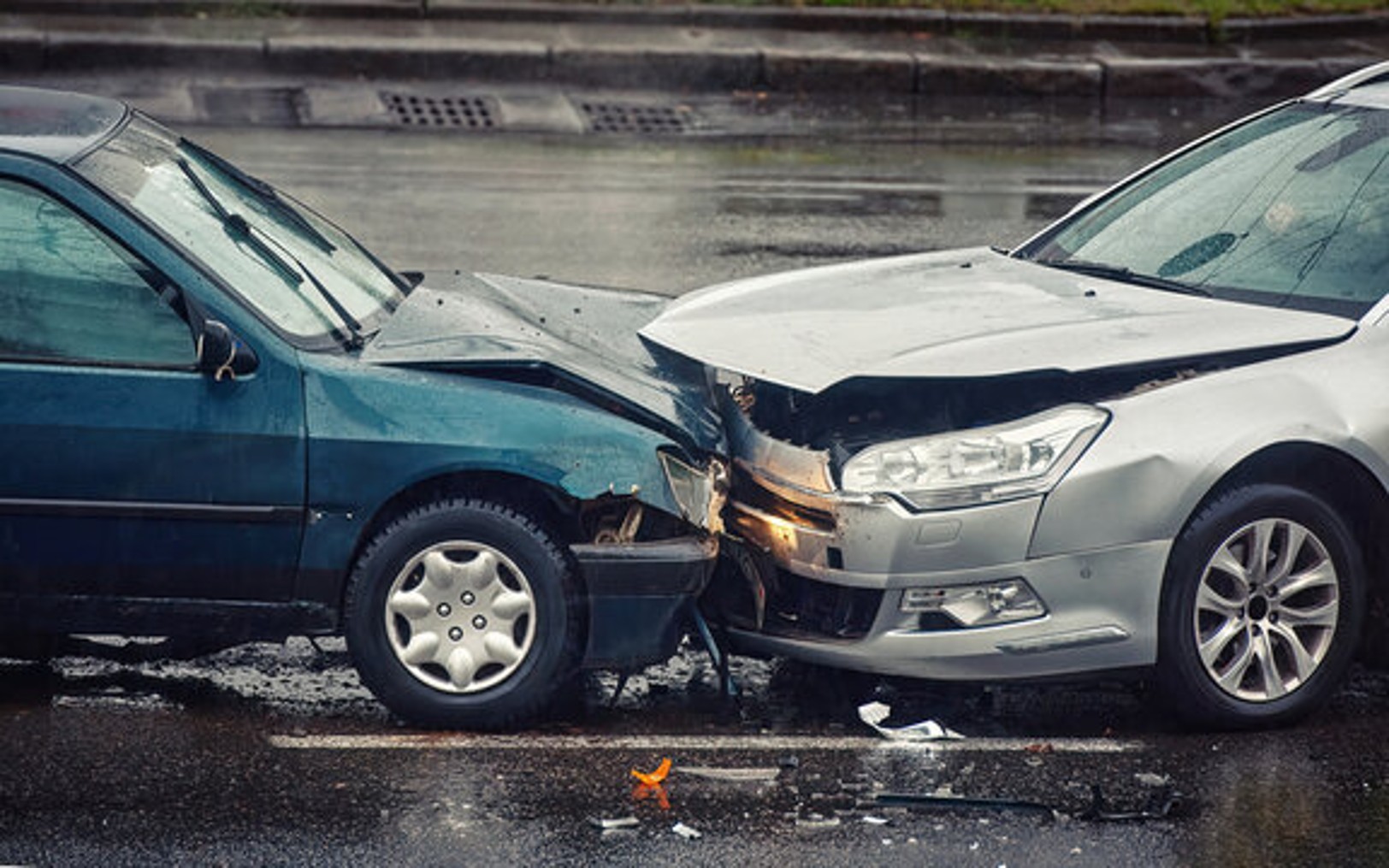
Conditions That Drive Local Crash Volume
Not all bad weather creates equal risk. These situations generate the heaviest collision numbers across the metro.
- Refrozen melt on bridges and overpasses after a thaw day
- Standing water pooling in worn ruts during spring storms
- Fog settling into river bottoms on calm fall mornings
- Blowing snow erasing lane lines on open highway stretches
- Low winter sun glare during morning and evening commutes
Freeze-thaw swings drive the winter list. Kansas City crosses the freezing point repeatedly through a single week, so melted snow returns as ice overnight on untreated surfaces.
The Standard Missouri Applies
Missouri does not lower its expectations when the weather turns. RSMo section 304.012 requires drivers to travel in a careful and prudent manner and to exercise the highest degree of care.
That standard sits above the ordinary care rule used in many other states. A driver has to respond to what the road is actually doing, not to what the speed limit sign permits.
RSMo section 307.040 adds a lighting requirement and specifically covers lamps needed because of weather or fog. The fine attached to it is small, but an unlit vehicle in heavy fog hands the other side a clear negligence argument.
Why Blaming the Weather Rarely Works
Insurers often present an icy crash as something nobody could avoid. That position weakens fast when the driver had time to slow down, add following distance, or postpone the trip.
The question is always about choices rather than forecasts. Tire condition, spacing, and whether headlights were on carry far more weight than snowfall totals. Sudden emergencies do exist. A driver hit by an unforecast whiteout gust may have a real defense, but that is a narrow exception rather than a general rule for winter driving.
Evidence That Disappears Within Days
Ice melts, water drains, and crews treat roads long before most people start thinking about proof. Photos taken at the scene are often the only surviving record of what the surface looked like.
Vehicle evidence fades more slowly but still vanishes. A repaired car takes tread depth, brake condition, and impact damage with it.
Witnesses forget conditions faster than they forget impact. A neighbor who noticed untreated ice that morning may not recall the detail weeks later without a written statement taken early.
What Decides the Outcome
Two separate rules shape recovery once fault is on the table.
Shared Responsibility
Missouri follows pure comparative fault. A driver who was moving too fast for the rain can still recover, with the award cut by their assigned share of blame.
Pileups divide this further. Each driver’s spacing and reaction time get judged on their own facts rather than as one event.
The Filing Clock
RSMo section 516.120 gives five years from the crash date to file most injury lawsuits. Property damage claims run on the same window.
Crashes on the Kansas side of the metro follow a shorter deadline. The state line changes that math more than most drivers realize.
Key Takeaways
- Bad conditions raise the duty of care rather than excusing a driver.
- Missouri holds drivers to the highest degree of care standard.
- Elevated ramps and bridges freeze ahead of surrounding pavement.
- Headlight rules apply specifically during fog and heavy rain.
- Scene photos preserve conditions that vanish within hours.
- Partial fault reduces an award instead of blocking it.
- Most Missouri injury claims carry a five-year filing deadline.
We are not lawyers and this is in no way intended to be used as legal advice . We cannot be held responsible for your results. Always do your own research and seek professional legal help.

Meg is an author at Cinnamon Hollow. She writes on a variety of topics sharing tips and ideas for daily life.