You have probably at some point spent money on serums that promise a lot and deliver a little. Most topical products work at the surface level, which is useful for hydration and mild brightening, but genuinely limited when it comes to structural skin concerns like deep fine lines, pitted acne scars, or stubborn pigmentation. Microneedling works differently. It goes into the skin rather than sitting on top of it, and that distinction is what makes it effective for concerns that creams simply cannot reach.
Atlanta has seen a rise in people turning to this treatment, and the reasons are backed by real clinical evidence. Here is how microneedling actually works and what it targets.
1. It Triggers Your Skin’s Own Repair System
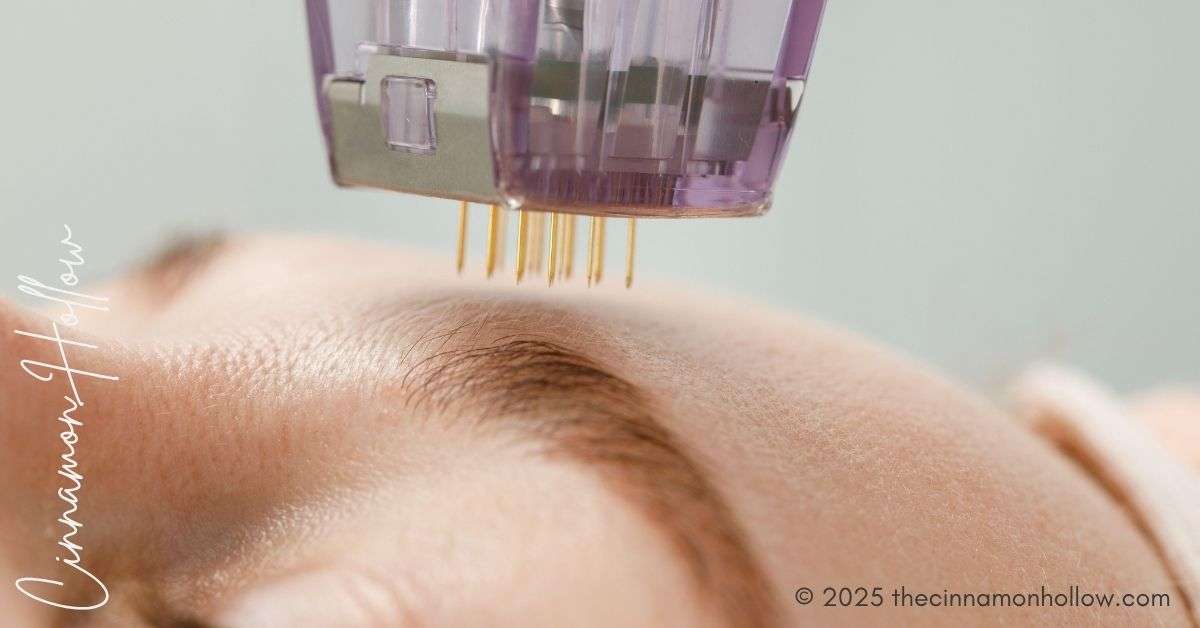
The core mechanism behind microneedling is controlled injury. A device fitted with fine, medical-grade needles creates tiny punctures across the skin’s surface, too small to cause visible damage but significant enough to trigger the body’s wound-healing response. That response is where the real work happens. The skin releases growth factors, mobilizes fibroblasts, and begins producing new collagen and elastin to repair the micro-channels.
At this stage, it often makes sense to think of microneedling less as a cosmetic procedure and more as a biological conversation with your skin. When people research microneedling in Atlanta, they find that results-focused practices approach treatment depth and needle configuration based on each patient’s specific skin concerns rather than using a single setting for everyone. Local clinics such as Southern Surgical Arts tend to customize sessions using different device technologies depending on whether the priority is texture, scarring, or overall rejuvenation, which is why outcomes usually look natural.
The collagen produced through this process is not synthetic, and it does not wear off the way topical ingredients do. It is a structural improvement generated by your own skin biology.
2. It Remodels Acne Scars From the Inside Out
Acne scars, particularly the depressed or pitted kind, form when inflammation during a breakout damages the collagen beneath the skin’s surface. The result is a structural deficit, a literal gap in the dermal framework that sits below what any topical treatment can reach. Microneedling addresses this by repeatedly stimulating collagen synthesis directly in and around the scar tissue, gradually filling and remodeling the depression over a series of sessions.
A 2024 comprehensive review published in Cureus confirmed that microneedling induces controlled micro-injuries that stimulate collagen production and promote scar remodelling, making it one of the most studied and effective modalities for improving acne scar appearance.
Results build progressively. Most patients begin noticing meaningful improvement after three to four sessions, with deeper or more established scars sometimes requiring additional treatments or combination approaches like radiofrequency microneedling for optimal smoothing. The improvement is gradual by design, because the skin is rebuilding rather than being resurfaced, which also means recovery is significantly more manageable.
3. It Addresses Fine Lines by Rebuilding What Age Takes Away
Fine lines form primarily because collagen and elastin production slows significantly with age. The skin loses its structural scaffolding over time, and the surface begins to crease and fold in areas of repeated movement. Microneedling targets this directly by restoring the collagen density that has been depleted, rather than temporarily plumping the surface the way some topical ingredients do.
A review of microneedling applications for acne skin found that three months after the final treatment, 95.6% of the patients showed overall improvement by at least one scar grading. That satisfaction rate reflects something important: the improvement patients see feels proportionate and natural because it is built from their own renewed tissue rather than an external filler or resurfacing agent.
The areas where fine lines typically concentrate, around the eyes, across the forehead, and along the upper lip, respond well to microneedling because increased collagen density in those zones literally plumps and smooths the skin from beneath. It is a slower process than injectables, but the results integrate seamlessly with the face.
4. It Reduces Uneven Skin Tone Without Disrupting the Skin Barrier
Uneven skin tone, whether from sun damage, post-inflammatory hyperpigmentation, or general dullness, responds to microneedling through a different mechanism than scarring and lines. The micro-channels created during treatment allow targeted serums, such as vitamin C or tranexamic acid, to penetrate far deeper into the skin than they could on their own. When applied immediately after treatment, these active ingredients work at the dermal level rather than sitting on the surface, which dramatically increases their effectiveness on pigmentation.
The treatment also accelerates cell turnover. As the skin cycles through its healing response, older, pigmented cells are replaced more rapidly by fresher ones, gradually evening out tone over a series of sessions.
In practice, patients dealing with post-acne discoloration or sun-related pigmentation often find microneedling more effective for their specific concern than chemical peels or brightening creams alone, particularly because it addresses both texture and tone simultaneously rather than one at a time.
Closing Thoughts
Microneedling works best as a series rather than a single session, and results develop over weeks as new collagen matures. Most people are good candidates, but very active acne, certain skin infections, or specific medications can affect timing. A thorough consultation before your first session is what ensures the treatment is right for your skin and that the plan is built around what you are actually trying to improve.
Check out our Beauty videos below!


Meg is an author at Cinnamon Hollow. She writes on a variety of topics sharing tips and ideas for daily life.