Getting a bond right the first time saves you from pulling the job apart and starting over. If your adhesive work keeps failing after a few weeks, the problem usually isn’t the product. It’s a handful of technique issues that even experienced people repeat because nobody ever pointed them out directly.
The mistakes below aren’t about effort. They’re about matching the right product to the right material, prepping correctly, and understanding how adhesives actually cure. Get these five things right and most jobs hold the first time.
1. Using the Wrong Adhesive for the Material
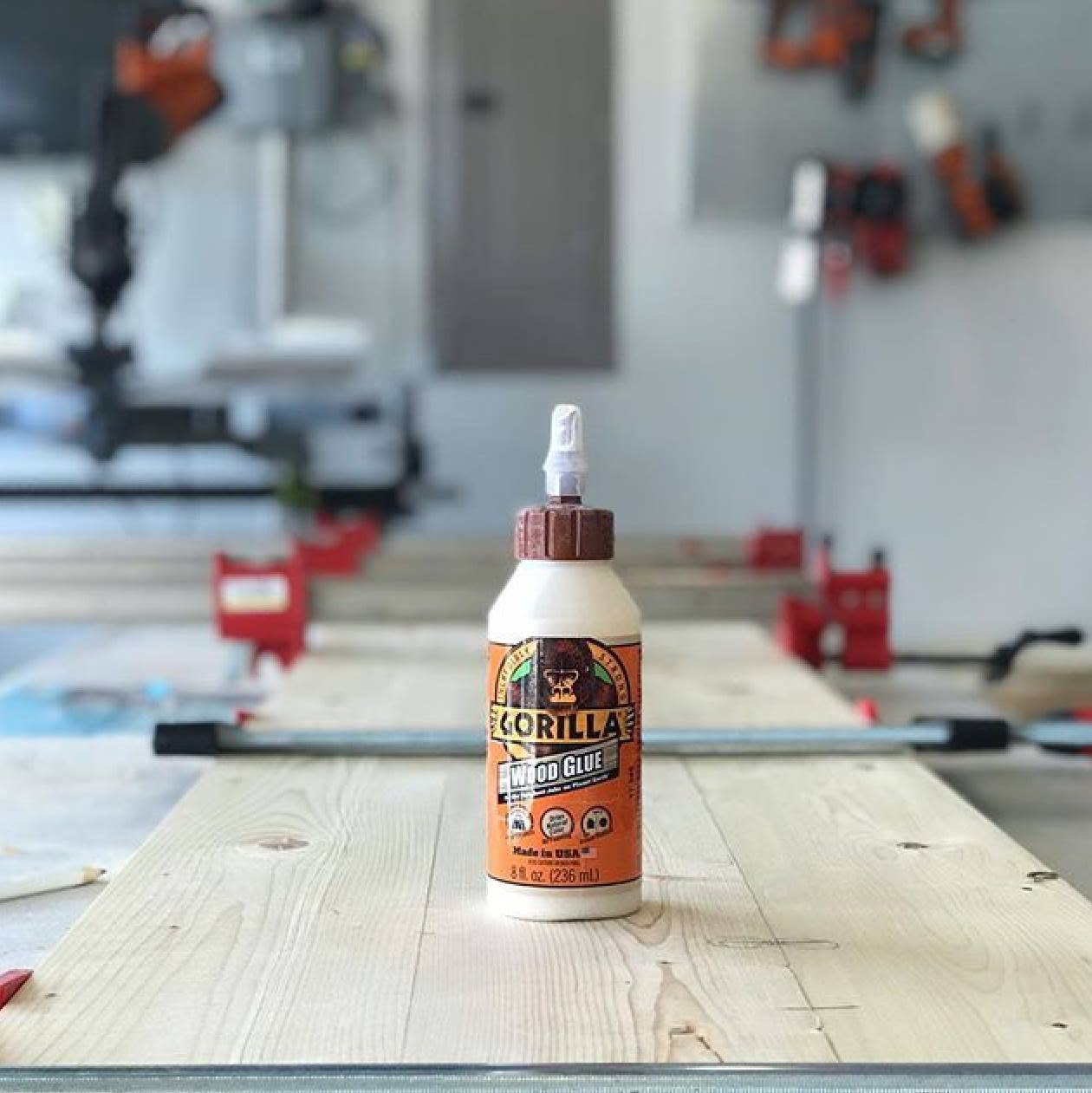
A strong adhesive on the wrong substrate fails faster than a weaker product used correctly, and most people don’t consider this when they’re grabbing whatever’s on the shelf. Product type determines outcome: Gorilla Glue Construction Adhesive suits structural joins on heavy materials, Gorilla Epoxy handles rigid multi-material bonds where gap-filling strength is needed, and Gorilla Contact Cement is the right call for laminates and large surface areas. Material porosity matters too, as timber and concrete absorb adhesive below the surface while metal and glass require a product that bonds at surface level. Checking the label against your material takes a minute and changes the result entirely.
2. Skipping or Rushing Surface Prep
The adhesive bonds to whatever is on the surface, not the surface itself, and that single fact explains most bond failures. Dust, grease, and moisture each create a barrier between adhesive and substrate, and any one of them is enough to cause a failure. A surface that looks clean can still carry residue from paint, sealant, or handling oils, particularly on previously finished or coated materials. The fix is straightforward: wipe with a clean cloth and appropriate solvent, let it dry fully, then apply. Time pressure is the most common reason experienced people redo jobs they thought were finished.
3. Applying Too Much (or Too Little) Adhesive
More adhesive does not mean a stronger bond. It typically means a weaker one that takes longer to cure. Thin, even coverage maximises contact between surfaces; excess adhesive pools at the edges and stays soft, reducing overall strength. The opposite problem is just as common on porous materials: too little adhesive on timber or concrete gets absorbed before it bonds, and the joint never reaches full strength. On highly porous surfaces, a priming coat followed by a second application solves this. The correct amount is on the product label, which most experienced users stopped reading after the first use.
4. Loading the Joint Before It’s Fully Cured
A bond that feels firm after 30 minutes may be at a fraction of its final strength, and this is where a lot of otherwise solid work fails. “Set” and “cured” are different stages: set means the adhesive has hardened enough to hold its shape; cured means the chemical process is complete and the bond has reached rated strength. Putting a joint back into use too early by hanging weight, applying pressure, or reinstalling the item stresses the bond before it’s ready. Epoxies typically reach handling strength within a few hours but need 24 to 72 hours to cure fully; construction adhesives can take longer under sustained load. Waiting costs nothing and is the simplest fix on this list.
5. Overlooking Temperature and Humidity
Most adhesive failures blamed on the product are environmental, and temperature and humidity are the two variables people consistently miss. Cold conditions slow the cure process, and adhesive applied below the product’s working temperature range may never reach full strength regardless of wait time. High humidity introduces moisture into the bond line during application, disrupting cure chemistry before it starts. Check the working temperature range before you begin, and apply in a sheltered, well-ventilated space when conditions are within spec. This matters most for outdoor jobs and garage work, which is exactly where most of this kind of repair happens.
Get It Right Once, and You’re Set
None of these mistakes are hard to avoid once you know what to look for, and that’s most of the work done. The variable that catches experienced people out isn’t effort but technique: small adjustments to product selection, prep, application, and timing that add up to a bond that holds.

Meg is an author at Cinnamon Hollow. She writes on a variety of topics sharing tips and ideas for daily life.