

The landscape of bridal fashion is undergoing a beautiful transformation. Gone are the days when a standard, mass-produced solitaire was the default choice for couples embarking on their wedding journey. Today, the ring-buying process is often a highly collaborative experience, with partners seeking out pieces that truly reflect their shared identity. Recent industry surveys from 2025 reveal that over 60 percent of modern brides now prefer custom or semi-custom engagement ring designs that incorporate personal emotional symbolism over mass-market styles. This shift has ushered in a new era of bridal jewellery, where the narrative, individuality, and values of the wearer take centre stage. At the forefront of this movement is a growing appreciation for nature-inspired engagement rings, which offer a refreshing, earthy alternative to conventional designs.
The Appeal of Organic Aesthetics and Botanical Motifs
Nature-inspired engagement rings have successfully transitioned from a niche aesthetic to a dominant, mainstream category. They are celebrated for their organic forms, gentle contours, and deeply romantic symbolism. For many contemporary couples, particularly in Australia where stunning natural landscapes are a part of everyday life, botanical motifs like winding vines, delicate leaves, and floral settings serve as powerful metaphors for growth, renewal, and everlasting connection.
This desire for meaningful craftsmanship has driven a notable shift toward bespoke artisan jewellers who prioritise sustainable practices and authentic storytelling. When seeking out these unique botanical and twig-style rings, many couples look to specialist studios like Vinny & Charles to find handcrafted pieces that reflect a deep connection to the natural world. Instead of highly polished, symmetrical bands, these artisans offer designs that feel authentically grown rather than manufactured. Ethical sourcing and eco-conscious materials have become pivotal in this space, making the origin of the ring just as important as its final visual appeal.
Key Characteristics of Earth-Inspired Designs
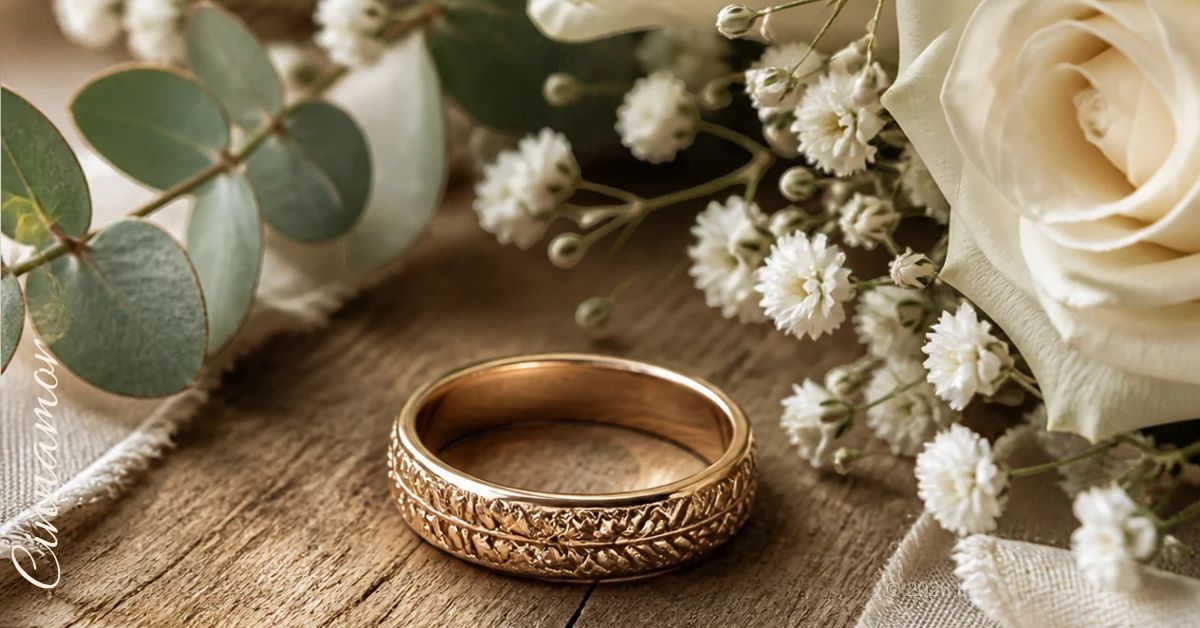
What exactly makes a ring feel as though it was plucked from a forest rather than cast in a factory? It often comes down to the way metal and stone are expertly manipulated to mimic the great outdoors. Artisan jewellers are increasingly utilising textured and mixed metals to imitate natural elements, offering a tactile, earthy alternative to traditional high-gloss finishes.
Several distinct features define this modern woodland aesthetic:
- Textured Bands: Metals are carefully sculpted to resemble tree bark, interwoven branches, or delicate twigs, providing a rich, tactile experience for the wearer.
- Organic Asymmetry: Free-spirited brides are gravitating toward non-traditional layouts that defy standard geometric proportions. This approach favours a more natural, fluid look that mimics how plants actually grow in the wild.
- Mixed Metal Elements: Combining rose, yellow, and white gold in a single piece creates a layered, autumnal warmth that highlights intricate botanical details and adds distinct visual depth.
- Leaf and Vine Accents: Delicate metalwork framing the centre stone often mimics climbing ivy or unfurling buds, adding a whimsical and highly personal touch to the overall design.
The Shift Towards Meaningful and Alternative Gemstones
As couples prioritise narrative and individuality over strictly adhering to the traditional diamond grading system, the demand for alternative and lab-grown stones continues to surge. Recent data indicates that eco-friendly and lab-created options now account for the majority of the engagement ring market under the five thousand dollar price point. Choosing alternative gemstones often provides couples with the budget flexibility to invest more heavily in custom-crafted artisan metalwork and intricate botanical detailing.
Moissanite has solidified its position as a premium alternative in the bridal market. It is highly valued for its exceptional brilliance, fire, and impressive hardness rating, making it incredibly durable for everyday wear. Simultaneously, alexandrite is rapidly gaining traction among modern brides seeking unique, conversation-starting centre stones. This gem is famous for its dramatic colour-changing properties, effortlessly shifting from a daylight green or bluish-green to a purplish-red under warm incandescent light. Coloured centre stones has moved firmly from the periphery to the mainstream, allowing designers to pair vibrant, unconventional hues with earthy, nature-inspired settings.
A New Era of Heirloom Jewellery
The rise of nature-inspired engagement rings reflects a broader cultural shift toward mindful consumption, ethical sourcing, and deeply personal style. Today’s brides are looking for jewellery that resonates with their shared values and lifestyles, rather than simply ticking traditional boxes. By blending organic metalwork with vibrant, alternative gemstones, modern bridal fashion has fully embraced the imperfect, asymmetric beauty of the natural world. These rings are no longer just symbols of commitment. They are wearable works of art destined to become cherished family heirlooms, telling a unique and enduring story of love, growth, and natural beauty.

Meg is an author at Cinnamon Hollow. She writes on a variety of topics sharing tips and ideas for daily life.

