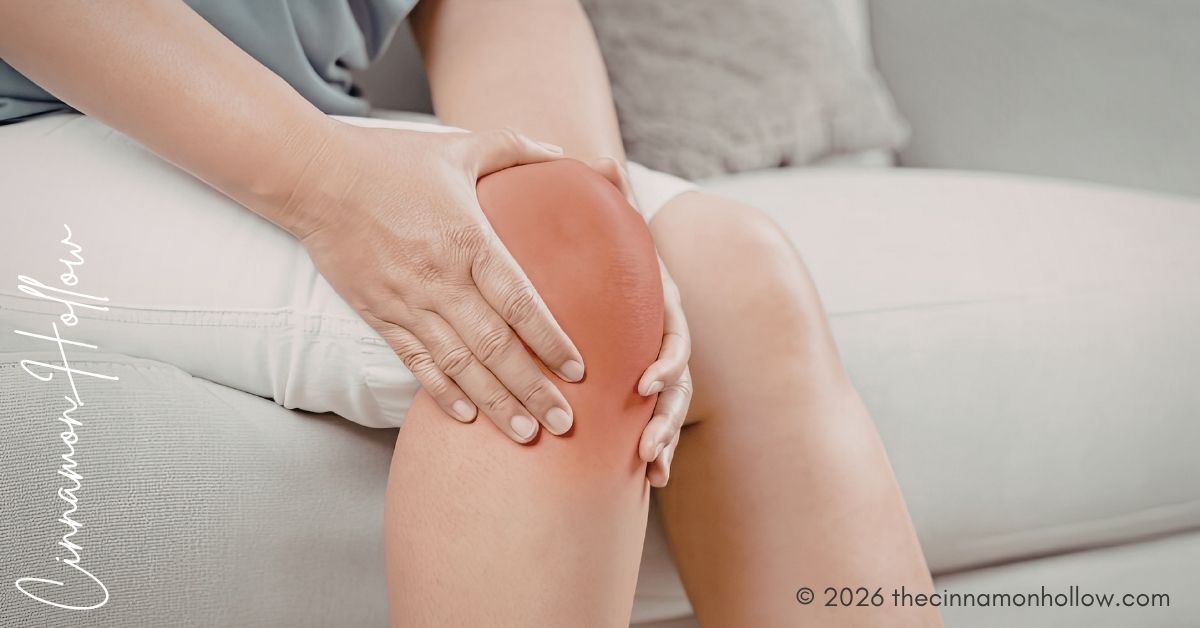
Knee pain often narrows daily life before a person realizes how much has changed. Stairs become calculated, walks shorten, and errands start to depend on timing. Non-surgical care can give adults a practical step before joint replacement. The goal is to ease pain, quiet irritated tissue, and restore steadier motion. For osteoarthritis or chronic symptoms, progress usually begins with careful diagnosis and a plan tied to real function.
A Local Care Path
For adults in Winter Park, pain care works best when evaluation connects symptoms, imaging, and function. Clinics offering non-surgical knee pain relief for patients in Winter Park can review osteoarthritis patterns, prior injections, medication response, and walking limits. Clear guidance helps each person compare Genicular Artery Embolization with therapy, bracing, or surgery using realistic goals and medical history data.
Why Movement Declines
Pain changes mechanics. A person may shift weight away from one side, shorten stride length, or avoid full knee bend. Those changes can strain the hip, ankle, and lower back. Muscle inhibition may follow, especially in the quadriceps. Swelling adds another barrier by limiting joint glide. Non-surgical treatment aims to reduce these drivers while preserving movement.
Inflammation and Pain Signals
Knee osteoarthritis often includes inflamed lining tissue, irritated bone edges, and sensitized nerves near the joint. Extravascular activity may feed painful regions. Genicular Artery Embolization targets small vessels linked to that irritation. By reducing abnormal blood supply, specialists may calm inflammatory signaling. Less tissue stress can make standing, bending, and walking feel less guarded.
Better Daily Function
Useful gains often show up in ordinary tasks. A person may cross a parking lot without stopping. Another may climb stairs with less gripping on the rail. Some return to gentle exercise after symptoms settle. These changes matter because regular motion supports strength, circulation, balance, and confidence. Mobility usually improves through repeated, manageable activity.
Less Downtime
Joint replacement can involve hospital planning, incision care, rehabilitation, and weeks of restricted activity. Non-surgical procedures usually require less disruption. Genicular Artery Embolization is commonly performed in an outpatient setting, and many people return home the same day. Recovery still varies by health status and symptom severity. Shorter downtime can help protect work routines and family responsibilities.
Guided Evaluation
Good care starts with source identification, not assumption. Specialists review pain location, imaging findings, medical history, and prior treatment response. They may ask about injections, therapy, braces, medicines, sleep disruption, and walking tolerance. This review helps identify appropriate candidates for non-surgical options. It also reduces the risk of selecting care that does not match the diagnosis.
Role of Physical Activity
Treatment works better when movement is reintroduced carefully. Strengthening can improve support around the joint. Stretching may reduce stiffness in nearby muscles. Low-impact activity, including walking, cycling, or pool exercise, can maintain endurance without heavy joint loading. A clinician may recommend gradual increases, since sudden effort can trigger swelling. Confidence often returns through steady practice.
Comfort and Access
Access affects follow-through more than many people expect. Parking, entry design, appointment availability, and clear instructions can reduce stress before care begins. Insurance review also matters because cost concerns influence decisions. Practical support allows patients to focus on evaluation, treatment, and recovery. These details are simple, yet they often determine whether a plan feels workable.
Who May Benefit
Non-surgical treatment may fit adults with chronic knee pain from osteoarthritis who have not improved enough with conservative care. That history may include medication, therapy, injections, activity changes, or bracing. It may also interest people trying to delay or avoid joint replacement. Eligibility depends on health status, imaging results, pain source, and specialist assessment.
Measuring Progress
Progress is broader than a pain score. Patients can track walking distance, stair tolerance, sleep quality, swelling, stiffness, and medication use. They may also note confidence during errands or standing tasks. These markers show whether care is changing daily function. Follow-up visits help clinicians review response, adjust activity advice, and watch for any symptom pattern that needs attention.
Conclusion
Non-surgical knee pain treatments can improve mobility by addressing inflammation, reducing discomfort, and helping people move with less protection around the joint. Genicular Artery Embolization may offer relief without the recovery demands of replacement surgery for selected patients. Strong outcomes depend on accurate evaluation, clear expectations, and steady activity after treatment. With that foundation, painful steps can become a more comfortable daily routine.
The owners and authors of Cinnamon Hollow are not doctors and this is in no way intended to be used as medical advice. We cannot be held responsible for your results. As with any product, service or supplement, use at your own risk. Always do your own research and consult with your personal physician before using.

Meg is an author at Cinnamon Hollow. She writes on a variety of topics sharing tips and ideas for daily life.