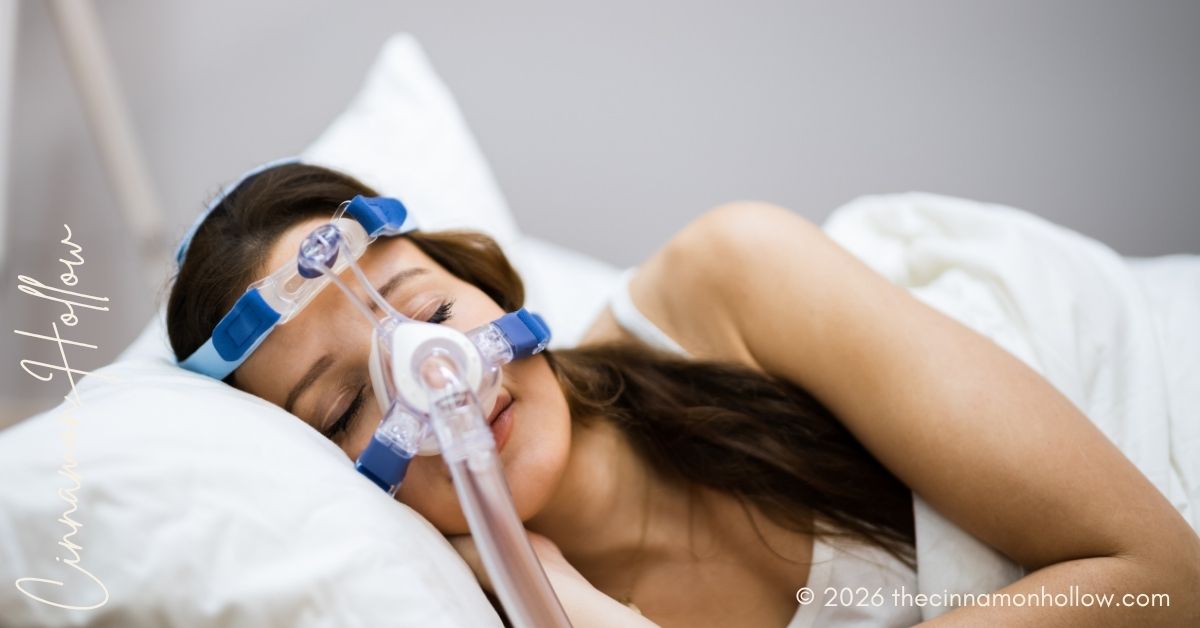
Sleep apnea care is entering a more practical phase. Pressure devices still play a central part in treatment, yet nightly tolerance remains uneven for many adults. Oral appliances have widened the discussion by offering a clinically accepted option that fits inside the mouth and works through jaw positioning. For selected patients with obstructive sleep apnea, that shift can mean steadier breathing, less snoring, and better odds of regular use over time.
Why the Discussion Is Shifting
Obstructive sleep apnea affects airflow, blood oxygen, and daytime alertness. Many adults reach diagnosis after months of loud snoring, morning headaches, restless sleep, or persistent fatigue. Within that setting, sleep apnea oral treatment in Las Vegas NV belongs in a broader clinical discussion that includes testing, physician review, dental assessment, and follow-up measurement. That fuller process helps treatment feel less rigid and more responsive to patient needs.
A Practical Option for Many
Oral appliances are custom devices worn during sleep. Most move the lower jaw forward by a measured amount, which can reduce upper airway collapse. That mechanical change often lowers snoring intensity and decreases breathing interruptions in properly selected cases. Because the appliance is small, quiet, and portable, many adults view it as easier to use consistently than larger bedside equipment.
What the Data Suggests
Clinical guidance supports oral appliance therapy for adults with mild or moderate obstructive sleep apnea. It may also help people with more severe disease who cannot tolerate pressure-based care. That distinction matters because treatment works only when patients actually use it. A device worn through the night often delivers greater real benefit than one prescribed correctly but abandoned after a few attempts.
Comfort Can Influence Results
Tolerance shapes long-term results in every sleep plan. Some patients struggle with mask pressure, dry mouth, tubing, or machine noise. Oral appliances remove several of those practical obstacles. They sit fully inside the mouth and travel easily. When nightly care feels manageable, adherence often improves, and stronger adherence can reduce repeated airway obstruction that disrupts sleep architecture and oxygen stability.
The Role of Sleep Testing
These appliances are medical treatments, not retail sleep aids. A formal sleep study is needed to confirm obstructive sleep apnea and grade severity. That information guides case selection and future monitoring. Some adults qualify for home testing, while others need laboratory evaluation. After diagnosis, a sleep physician and trained dentist can align the plan with symptoms, airway anatomy, and treatment tolerance.
Custom Fit Matters
Fit determines whether the device supports the airway without creating excessive strain. A custom appliance is adjusted in small increments so the jaw advances enough to improve airflow while preserving comfort. Poor fit can lead to soreness, bite changes, or weak symptom control. Careful records, precise measurements, and scheduled adjustments give therapy a stronger chance of clinical success.
Beyond Snoring Relief
Snoring often brings patients into care, but the disorder carries wider consequences. Repeated oxygen drops can stress cardiovascular function and worsen blood pressure control. Fragmented sleep may also impair concentration, mood regulation, memory, and safe driving. By supporting a clearer airway overnight, oral appliances may lessen symptom burden and improve daily functioning when used within supervised medical treatment.
A Team-Based Treatment Model
Effective care usually depends on collaboration. Sleep physicians diagnose the disorder, review risk, and decide whether an appliance is appropriate. Dentists with sleep training fabricate the device and adjust jaw position over time. Follow-up testing can show whether breathing events have fallen to a safer range. That shared model keeps treatment grounded in measurable outcomes rather than preference alone.
Who May Benefit Most
Adults with mild or moderate obstructive sleep apnea are frequent candidates for oral appliance therapy. Some patients with severe disease may also benefit if pressure treatment proves intolerable. Good candidates often want a quieter option, travel often, or have persistent mask difficulty. Final decisions depend on sleep study findings, oral anatomy, jaw function, and willingness to attend follow-up visits.
Questions Worth Asking
Before Starting Therapy
Patients should ask how severity was measured, which symptoms are expected to improve, and how success will be verified. They should also review side effects, cleaning steps, bite monitoring, and adjustment timing. Clear guidance reduces frustration later. A sound plan explains why the appliance fits the case, how titration will occur, and when repeat testing should confirm meaningful breathing improvement.
Conclusion
Oral appliances are changing the discussion about sleep apnea treatment because they expand access to effective care without lowering clinical standards. They will not replace every other treatment path, yet they offer many adults a credible option with strong practical appeal. As diagnosis improves and coordinated care becomes more common, these devices are likely to claim a larger role in treatment planning for patients who need reliable nightly use.
The owners and authors of Cinnamon Hollow are not doctors and this is in no way intended to be used as medical advice. We cannot be held responsible for your results. As with any product, service or supplement, use at your own risk. Always do your own research and consult with your personal physician before using.

Meg is an author at Cinnamon Hollow. She writes on a variety of topics sharing tips and ideas for daily life.