Stress and anxiety have become common challenges for many people, affecting everything from sleep quality and concentration to physical health and overall wellbeing. While exercise is often recommended as a way to manage stress, not every workout provides the same experience. High-intensity training can sometimes feel overwhelming when you’re already mentally exhausted.
Pilates offers a different approach. By combining controlled movement, focused breathing, and mindful concentration, it supports both physical fitness and mental wellbeing. Many people initially join Pilates classes to improve strength or flexibility, only to discover that the practice also helps them feel calmer, more balanced, and better equipped to handle everyday stress.
Here’s how Pilates can support mental health as well as physical fitness.
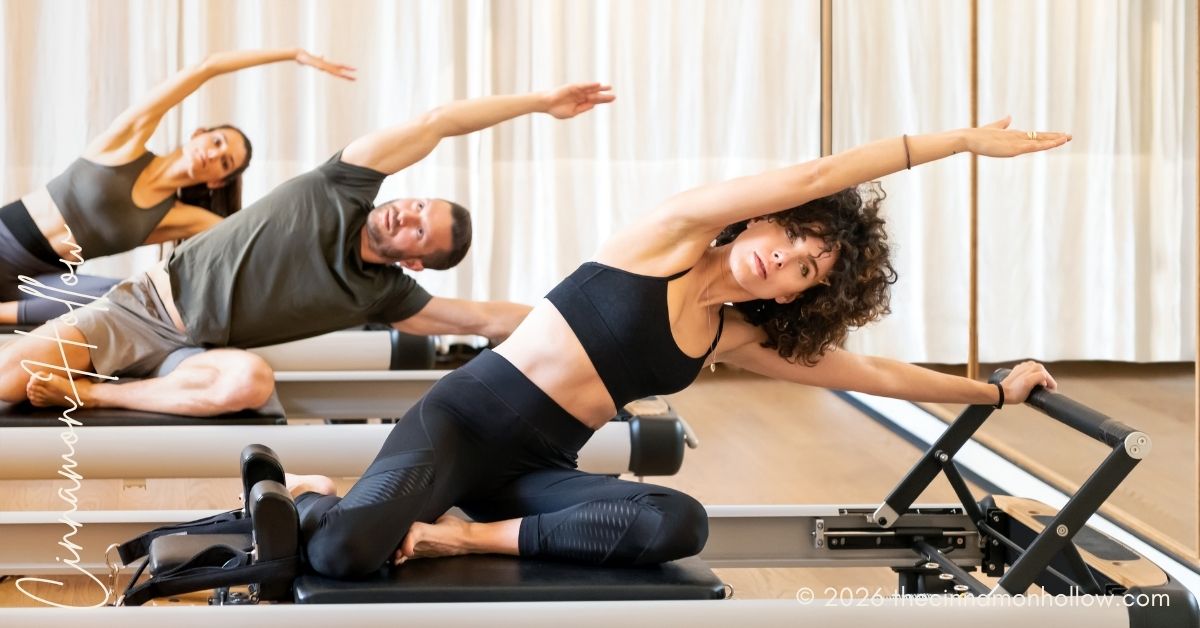
1. Movement and Breath Work Together
Anxiety lives in the nervous system. One of the most effective ways to regulate that system — outside of therapy and medication — is through controlled breathwork combined with intentional movement. Pilates is built on exactly this principle.
Every Pilates exercise is coordinated with the breath. Inhale to prepare, exhale to exert. That rhythm pulls your attention into the present moment and away from the mental loops that feed anxiety. It’s not coincidental that many people describe Pilates as “meditation I can actually do.”
2. Presence Is Built Into the Practice
Unlike gym workouts where the mind can wander freely, Pilates demands focus. The precision of each movement, the attention to alignment, the co-ordination of breath — all of it requires your full presence. You simply cannot do Pilates properly while mentally replaying yesterday’s argument or tomorrow’s to-do list.
That enforced presence is one of its most underrated benefits. An hour of genuine mental presence is restorative in a way that’s hard to replicate elsewhere.
3. The Mental Health Benefits Are Well Documented
Research consistently shows that regular physical activity can support better mental health. According to the World Health Organization (WHO), exercise can help reduce symptoms of anxiety and depression while improving overall wellbeing and quality of life.
Pilates combines movement, breathing, and concentration, making it a valuable form of exercise for both physical and mental wellbeing. The structured nature of Pilates can also help reduce stress, improve mood, and create a greater sense of balance in daily life.
4. The Right Class Environment Matters
Not all Pilates classes are created equal when it comes to managing stress. A competitive, fast-paced environment can actually trigger rather than relieve anxiety in some people. The best classes for mental well-being tend to be smaller, more personalised, and led by instructors who understand that people show up with more than just physical goals.
Finding the right fit means exploring your options before committing. Browsing available Pilates classes across different formats — online, studio, reformer, mat — lets you trial what actually suits your lifestyle and temperament. Pilates Live offers a searchable directory of classes so you can find something that fits your pace, not someone else’s.
5. Consistency Creates Compounding Benefits
The stress-reducing effects of Pilates are cumulative. One session leaves you feeling calmer. A month of regular practice starts to shift baseline anxiety levels. Six months in, many people notice they respond to stressors differently — with more space between the trigger and the reaction.
That shift happens because regular Pilates genuinely changes the way the nervous system operates over time. The body learns to spend more time in parasympathetic (rest-and-digest) mode and less in sympathetic (fight-or-flight) overdrive.
6. It Works Alongside Other Approaches
Pilates isn’t a replacement for therapy, medication, or other mental health support. But it works remarkably well alongside them. Many therapists actively encourage clients to incorporate mind-body movement into their routines precisely because physical practice can reinforce the cognitive and emotional work being done elsewhere.
The benefits stack. Physical improvement, mental clarity, better sleep, reduced muscle tension, a sense of accomplishment — all of it feeds the same goal.
Conclusion
If you’ve been looking for a form of exercise that actually helps your head, not just your body, Pilates might be the answer you’ve been edging around. It’s not about performing a perfect plank. It’s about moving with intention, breathing with purpose, and giving your nervous system the kind of input it genuinely needs. You don’t have to be flexible to start. You just have to show up.
Over time, those small, consistent sessions can add up to meaningful changes in how you feel physically and emotionally. Many people find that Pilates becomes more than a workout. It becomes a regular opportunity to slow down, reconnect with their bodies, and step away from the pressures of daily life. In a world that often feels overwhelming, that combination of movement, mindfulness, and structure can be surprisingly powerful for supporting long-term wellbeing.
The owners and authors of Cinnamon Hollow are not doctors and this is in no way intended to be used as medical advice. We cannot be held responsible for your results. As with any product, service or supplement, use at your own risk. Always do your own research and consult with your personal physician before using.

Meg is an author at Cinnamon Hollow. She writes on a variety of topics sharing tips and ideas for daily life.