Establishing a reliable laboratory requires careful selection of equipment that ensures safety, reliability, and compliance with industry standards.
Two critical components that form the backbone of laboratory infrastructure are sterilization systems and fluid transfer solutions, both essential for maintaining sample integrity and preventing contamination.
Key Takeaways
- Sterilization Eliminates Risk: Autoclaves and dry sterilizers are non-negotiable for eliminating pathogens and ensuring sample integrity in medical, pharmaceutical, and research environments.
- Fluid Transfer Systems Matter: Quick-connect couplings simplify laboratory workflows and reduce contamination risks during sample handling and waste management.
- Infrastructure Planning is Critical: Integrating sterilization equipment and fluid transfer systems early in lab design ensures operational efficiency and compliance.
- Equipment Selection Depends on Application: Different laboratory settings require different sterilization methods and fluid management solutions based on specific materials and processes.
Understanding Laboratory Sterilization Requirements
Sterilization is the cornerstone of laboratory safety and validity, eliminating all microbial life to prevent contamination of samples and materials.
Both heat-based methods and moisture-based approaches serve different purposes depending on what needs to be sterilized.
Temperature, pressure, and duration work together to destroy bacteria, viruses, fungi, and spores that could compromise research or patient safety.
A contaminated sample or improperly sterilized instrument can invalidate months of work and potentially harm patients or research subjects.
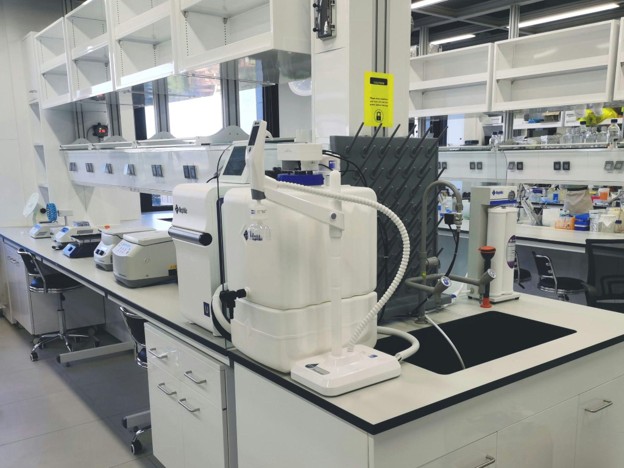
Autoclave Sterilization for Heat-Tolerant Materials
Laboratory autoclaves use high-pressure saturated steam to sterilize materials at temperatures between 121 and 134 degrees Celsius.
This method works exceptionally well for metal instruments, glassware, textiles, and most plastics that can tolerate moisture exposure.
The steam penetrates materials rapidly, reaching all surfaces and crevices where microorganisms might hide.
Autoclave cycles typically complete within 15 to 45 minutes, making them an efficient choice for high-throughput laboratory environments.
Dry Heat Sterilization for Sensitive Materials
Dry heat sterilizers operate at higher temperatures, typically 160 to 180 degrees Celsius, using hot air circulation instead of steam.
This approach suits powders, oils, sharp instruments, sealed containers, and materials that could be damaged by moisture exposure.
While dry sterilization takes longer than autoclave cycles, it’s the only safe choice for certain sensitive materials and applications. The absence of moisture makes it ideal for pharmaceutical powders and materials that require complete hydration control.
Selecting the Right Sterilization Equipment
Choosing between autoclave and dry sterilization methods depends primarily on the materials being sterilized and their tolerance to heat and moisture.
Front-loading autoclaves offer easier sample access for high-volume operations, while benchtop units work well for smaller laboratories with limited space.
Laboratory staff should consider chamber size, automation features, validation requirements, and calibration schedules when evaluating equipment options.
Working with experienced suppliers helps identify the solution that meets specific laboratory needs and regulatory compliance requirements.
Integrating Fluid Transfer Systems
Beyond sterilization, laboratories require reliable systems for transferring liquids between containers, instruments, and processing equipment.
Quick-connect couplings streamline these workflows while minimizing the risk of spills, cross-contamination, or sample loss during transfers.
Proper fluid management systems reduce labor time, improve safety outcomes, and enable consistent, documented processes that satisfy regulatory audits.
Laboratory infrastructure must accommodate both sterilization equipment and the fluid transfer solutions that support daily operations.
Why Quick-Connect Couplings Matter in Labs
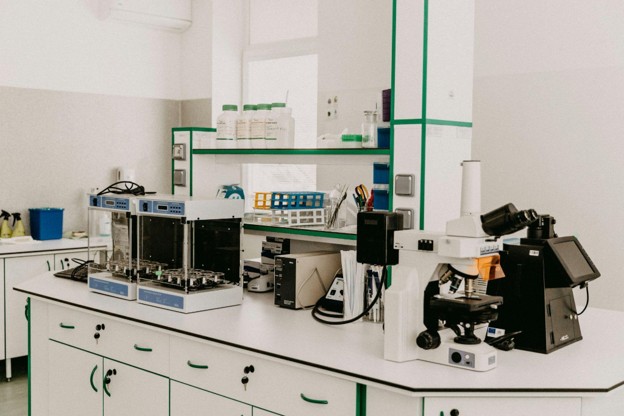
Laboratories handling biological samples, pharmaceuticals, or hazardous materials require safe, secure connections between containers and transfer systems.
Traditional threaded connections require wrenches and careful hand-tightening, consuming time and introducing contamination risks.
When you browse camlock fittings, you gain access to quick-disconnect solutions that simplify transfers without requiring tools.
These couplings create secure, leak-proof seals in seconds, protecting both laboratory staff and the integrity of valuable samples.
Managing Cross-Contamination Risks
Cross-contamination remains one of the most serious threats to laboratory accuracy and safety across all research disciplines.
Inadequate connection systems between equipment, storage containers, and transfer apparatus create pathways for contaminants to compromise results.
Quick-connect couplings with proper sealing mechanisms prevent sample degradation and exposure to environmental contaminants.
Investment in quality fluid transfer components demonstrates commitment to both operator safety and result validity.
Applications Across Medical and Research Settings
Pharmaceutical laboratories rely on validated sterilization protocols to ensure product safety and regulatory compliance throughout development and manufacturing.
Hospital pathology departments depend on both sterilization and fluid transfer systems to process patient samples efficiently while maintaining safety standards.
Research institutions conducting microbiology, cell culture, and biomedical studies require equipment that eliminates variables and produces reproducible results.
Veterinary clinics and dental practices also depend on sterilization equipment to maintain safe, hygienic conditions between procedures.
Autoclave Best Practices for Optimal Performance
Successful autoclave operation requires proper loading techniques that allow steam to circulate freely around all items being sterilized.
Overloading chambers, using incorrect container materials, or skipping sterilization validation can compromise results and create safety risks.
Regular maintenance, calibration, and cycle documentation demonstrate compliance with industry standards while ensuring equipment reliability over years of use.
Laboratory staff training on proper loading, cycle selection, and safety features maximizes sterilization effectiveness.
Combining Equipment for Complete Laboratory Workflows
Modern laboratories benefit from integrating reliable sterilization with efficient fluid transfer systems.
When sterilization equipment and quick-connect couplings work together, laboratory efficiency improves while contamination risks decrease.
Scaling Laboratory Operations Successfully
Growing laboratories need to expand sterilization capacity and fluid transfer capabilities simultaneously.
Selecting equipment that scales with future needs prevents expensive replacements and maintains operational continuity.
Modular approaches to sterilization and fluid transfer systems provide flexibility as laboratory requirements evolve.
Working with experienced suppliers helps identify solutions that protect past investments while supporting future growth.
Meeting Compliance and Quality Standards
Regulatory bodies require sterilization validation, equipment maintenance records, and documented procedures for all laboratory processes.
When you shop for autoclaves online, you access equipment designed specifically to meet these stringent requirements with built-in compliance features.
Quality management systems demand consistent, documented sterilization results and safe sample handling throughout laboratory operations.
Equipment selection that prioritizes validated performance and comprehensive documentation simplifies regulatory compliance and reduces audit findings.
Future-Proofing Your Laboratory Investment
Selecting equipment built for reliability protects laboratory investments and ensures consistent results for years.
Both sterilization systems and fluid transfer solutions should come from suppliers offering ongoing calibration, spare parts, and technical support.
Frequently Asked Questions
1. What’s the difference between autoclaving and dry sterilization?
Autoclaves use high-pressure steam at 121-134°C for fast sterilization of heat and moisture-tolerant materials, completing cycles in 15-45 minutes.
Dry sterilizers use hot air at 160-180°C over longer periods, making them ideal for moisture-sensitive materials like powders and oils.
2. How do quick-connect couplings improve laboratory safety?
Quick-connect couplings eliminate the need for wrenches or hand-tightening, reducing contamination risks during fluid transfers and saving significant time.
Tool-free connections minimize sample spillage and exposure of laboratory staff to potentially hazardous materials while creating secure, leak-proof seals.
3. How often should laboratory autoclaves be calibrated?
Most regulatory standards recommend annual calibration and ongoing validation of autoclave performance through biological and chemical indicator testing.
Laboratory-specific requirements may vary, so consulting your equipment supplier and regulatory guidelines ensures proper calibration frequency for your facility.
4. Can camlock couplings be used with all laboratory fluids?
Not all camlocks suit every fluid, so material compatibility assessment is essential before selection.
Stainless steel camlocks work well for most laboratory applications, while specialized materials may be needed for corrosive chemicals or pharmaceutical-grade requirements.