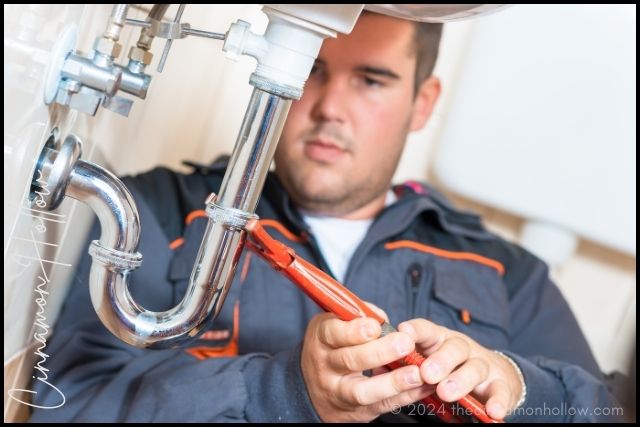
Hard water is something many homeowners deal with every day, often without realizing the effect it can have on their plumbing system. It contains higher levels of naturally occurring minerals like calcium and magnesium. While these minerals aren’t considered harmful to drink, they can slowly build up inside pipes, water heaters, faucets, and household appliances. Because the damage happens gradually, it’s easy to overlook the warning signs until water pressure drops, appliances become less efficient, or plumbing repairs become necessary.
The good news is that hard water damage is often preventable. A combination of regular maintenance, good plumbing habits, and the right equipment can help protect your home’s plumbing for years to come. Installing water treatment systems for Florida homes is one of the most effective solutions, but there are several additional steps homeowners can take to reduce mineral buildup, improve water flow, and avoid expensive repairs.
1. Install a Water Treatment System
If your home regularly experiences hard water, installing a water treatment system is one of the best long-term investments you can make. These systems are designed to reduce the amount of calcium, magnesium, and other minerals entering your plumbing system. By treating the water before it flows through your pipes, the system helps minimize the buildup of scale that can gradually narrow pipes and reduce water flow.
Over time, treated water can also help protect expensive appliances such as water heaters, dishwashers, washing machines, and coffee makers that depend on a steady water supply. Since every home has different water quality, it’s important to choose a system that matches your household’s needs. A professional water test can help determine which type of treatment system is the most suitable for your property.
2. Flush Your Water Heater Regularly
Your water heater is one of the first appliances to show the effects of hard water. Every time water is heated, minerals naturally separate from the water and settle at the bottom of the tank. As months pass, this sediment gradually builds up, creating a thick layer that reduces heating efficiency and forces the unit to work much harder than necessary.
If left untreated, sediment buildup may cause longer heating times, unusual popping or rumbling sounds, inconsistent hot water, and increased energy bills. Flushing the water heater regularly removes much of this accumulated sediment before it becomes a larger issue. Including this simple maintenance task in your annual home care routine can improve efficiency, extend the life of the appliance, and reduce the risk of costly repairs.
3. Clean Faucets and Showerheads Frequently
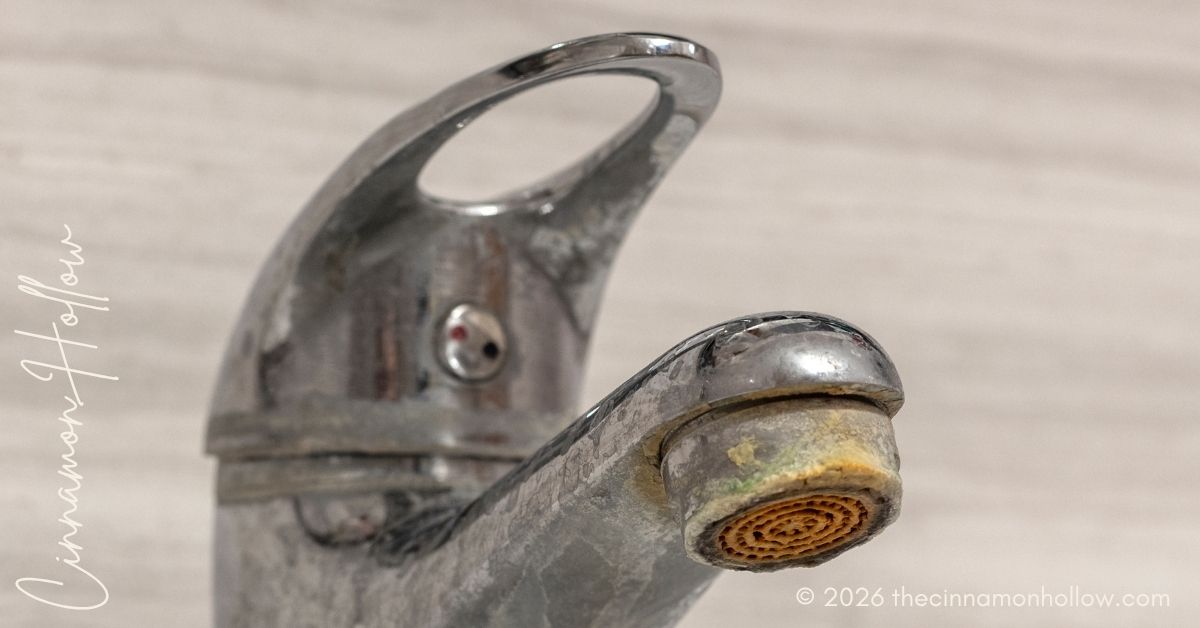
Hard water minerals don’t only collect inside plumbing pipes. They also build up around faucet aerators and showerhead openings, where even small deposits can affect water flow. Over time, you may notice weaker water pressure, uneven spray patterns, or white chalky residue around your fixtures.
Cleaning these fixtures on a regular basis helps remove mineral deposits before they become difficult to eliminate. Many homeowners find that soaking removable parts in a solution designed to dissolve mineral buildup restores normal water flow. Regular cleaning also keeps fixtures looking newer while preventing stains that can become difficult to remove if left untreated for long periods.
4. Watch for the Early Signs of Hard Water
Hard water usually provides several warning signs before it causes serious plumbing problems. Learning to recognize these symptoms early allows homeowners to take preventive action before expensive repairs become necessary. While some signs are easy to overlook, paying attention to small changes throughout your home can help identify hard water before it begins affecting major plumbing components.
Some of the most common warning signs include:
- White or chalky residue around faucets
- Reduced water pressure
- Spots left on dishes and glassware
- Soap that doesn’t lather well
- Dry skin or hair after bathing
- Mineral stains around sinks and tubs
- Frequent appliance maintenance
- Longer water heating times
Recognizing these symptoms early makes it easier to protect your plumbing system before mineral buildup becomes more severe.
5. Schedule Routine Plumbing Inspections
Most of your plumbing system is hidden behind walls, under floors, or inside ceilings, making it difficult to see what’s happening inside the pipes. While everything may appear normal on the surface, hard water can slowly create mineral deposits that reduce water flow and increase pressure within the plumbing system.
Scheduling routine plumbing inspections allows a professional to identify developing issues before they become major repairs. During an inspection, a plumber can check for signs of mineral buildup, corrosion, restricted water flow, or small leaks that may be connected to hard water. Finding these problems early often leads to simpler, less expensive repairs while helping extend the life of the plumbing system.
6. Choose Appliances That Handle Hard Water Better
When it’s time to replace major household appliances, consider models that are designed to perform well in homes with hard water. Many modern water heaters, washing machines, and dishwashers include features that improve efficiency while reducing the impact of mineral buildup.
Although no appliance is completely immune to hard water, choosing equipment built for these conditions can help reduce maintenance needs and improve long-term reliability. Reading manufacturer recommendations and following routine maintenance schedules also helps keep appliances performing at their best despite challenging water conditions.
7. Repair Small Plumbing Leaks Quickly
Even a small plumbing leak can become a larger problem in a home with hard water. As leaking water evaporates, it leaves behind mineral deposits that continue building up around pipe joints, valves, faucets, and other plumbing connections. These deposits may eventually make future repairs more difficult while increasing the risk of corrosion around affected areas.
Repairing leaks as soon as they’re discovered helps reduce both water waste and mineral accumulation. Prompt repairs also prevent moisture from damaging cabinets, flooring, drywall, and other nearby building materials. Addressing small plumbing problems early is almost always less expensive than waiting until they become major repairs.
8. Remove Mineral Deposits Before They Become Permanent
Hard water stains often appear gradually on sinks, tubs, shower doors, and faucets. While they may seem like a cosmetic issue at first, allowing these deposits to remain for long periods makes them increasingly difficult to remove.
Using cleaning products designed for mineral deposits helps keep plumbing fixtures looking clean while preventing thick layers of scale from developing. Regular cleaning also makes it easier to spot developing plumbing issues because surfaces remain free from heavy buildup. Following manufacturer cleaning recommendations helps protect decorative finishes while keeping fixtures in excellent condition.
9. Monitor Your Water Pressure
Changes in water pressure can sometimes indicate that mineral deposits are beginning to restrict the inside of your plumbing pipes. While several issues can cause reduced pressure, hard water buildup is one of the more common explanations in areas with naturally mineral-rich water.
If you notice weaker water flow from multiple faucets throughout the home, it’s worth investigating the cause before the problem becomes worse. Monitoring water pressure regularly allows homeowners to identify developing plumbing issues early and schedule inspections before restricted pipes require more extensive repairs.
10. Make Preventive Maintenance Part of Your Routine
Protecting your plumbing from hard water isn’t about completing one large project. Instead, it involves building simple maintenance habits that help reduce mineral buildup throughout the year. Regular inspections, cleaning plumbing fixtures, flushing the water heater, checking water pressure, and repairing small leaks all work together to keep the plumbing system operating efficiently.
These routine maintenance tasks don’t require a complete plumbing overhaul, but they can significantly reduce the long-term effects of hard water. By staying proactive, homeowners often spend less on repairs while helping their plumbing system perform more reliably for many years.
Final Thoughts
Hard water is a common household issue, but it doesn’t have to shorten the life of your plumbing system. By taking preventive steps such as installing a water treatment system, maintaining your water heater, cleaning fixtures regularly, monitoring water pressure, and scheduling routine plumbing inspections, you can greatly reduce the impact that mineral buildup has on your home.
Protecting your plumbing is an ongoing process rather than a one-time repair. A little attention throughout the year can help prevent costly problems, improve the performance of your plumbing system, and extend the lifespan of your pipes and water-using appliances. Investing in preventive maintenance today can save both time and money in the future while helping your home’s plumbing continue to operate efficiently.