While many people associate orthodontic treatment with achieving a straighter smile, braces can also address issues that affect oral health and daily function. They are commonly used to correct crooked, crowded, or gapped teeth, as well as bite problems that may make it harder to chew, speak, or maintain proper oral hygiene. The American Association of Orthodontists (AAO)notes that braces can help improve tooth alignment and support long-term dental health.
Patients visiting Pine Dentistry and Braces in District Heights, MD, often explore orthodontic treatment for a variety of reasons, from improving dental function to creating a healthier, more balanced smile. Whether treatment begins during childhood, adolescence, or adulthood, braces remain a proven solution for addressing a wide range of orthodontic concerns.
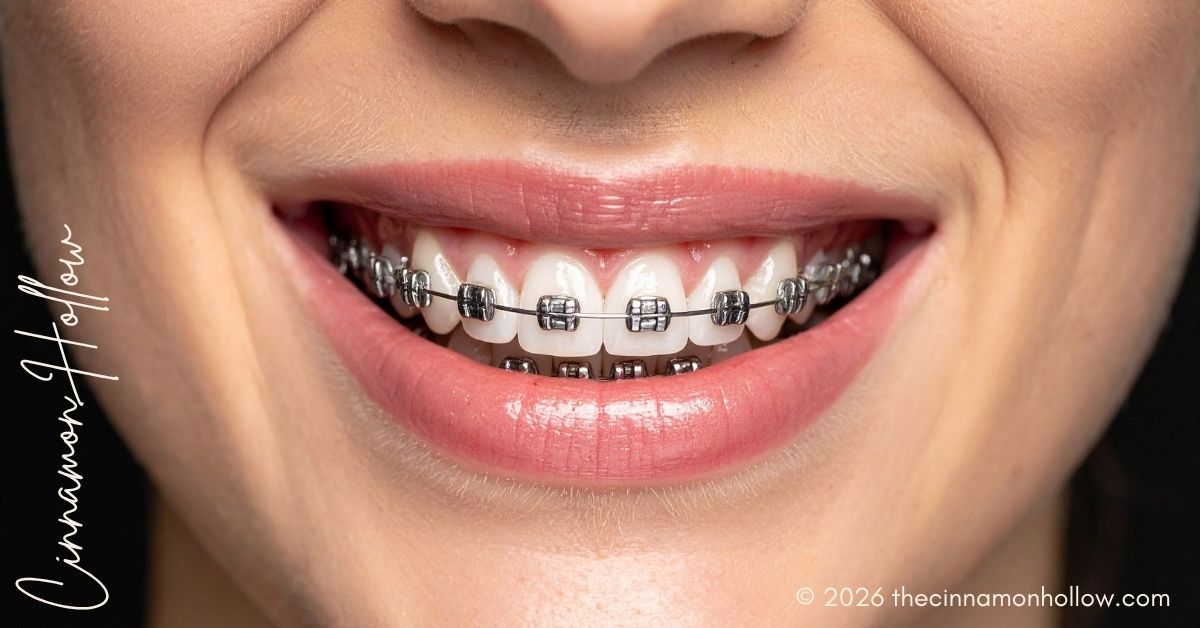
Key Takeaways:
- People get braces to correct common alignment issues such as crooked, crowded, and gapped teeth.
- Braces can improve bite function, making it easier to chew, speak, and maintain proper tooth alignment.
- Properly aligned teeth are often easier to clean, which can support long-term oral health.
- Orthodontic treatment is beneficial for many age groups, including children, teens, and adults.
- An orthodontic evaluation can help determine the right time to begin treatment based on individual needs.
What Are Braces and How Do They Work?
Braces are orthodontic devices designed to improve tooth alignment and correct bite issues that can affect oral health and everyday function. They work by applying gentle, continuous pressure that gradually guides teeth into their intended positions over time. Orthodontists commonly recommend braces for concerns such as crooked teeth, overcrowding, gaps between teeth, and bite irregularities. By addressing these issues, braces can help create a more balanced bite while supporting better long-term dental health.
The importance of braces extends beyond achieving a straighter smile. Properly aligned teeth are often easier to clean, which can help support good oral hygiene habits and reduce the risk of certain dental concerns. Correcting bite problems may also improve chewing efficiency and overall comfort. Because every patient has unique orthodontic needs, treatment plans are tailored to address specific alignment and functional goals.
Common Types of Braces
Several types of braces are available to help correct alignment concerns. Traditional metal braces remain a common option for addressing a wide range of orthodontic issues. Ceramic braces provide a less noticeable alternative while serving a similar purpose. Clear aligners are another treatment option for certain cases and offer added flexibility because they can be removed when eating or cleaning teeth. Regardless of the type used, the goal of orthodontic treatment is to improve alignment, bite function, and overall oral health.
Common Alignment Problems Braces Can Fix
Many people associate braces with creating a straighter smile, but orthodontic treatment is often recommended to address underlying alignment concerns that can affect oral health and daily function. When teeth do not fit together properly, it may become more difficult to clean certain areas of the mouth, maintain a balanced bite, or prevent excessive wear on specific teeth. Over time, these issues can contribute to challenges that extend beyond appearance alone.
Braces work by applying gentle, controlled pressure to gradually move teeth into more favorable positions. This process helps improve alignment while supporting better function and long-term dental stability. The American Dental Association (ADA) highlights the importance of maintaining good oral hygiene and regular dental care, both of which can be supported by properly aligned teeth.
For those wondering why to get braces, the answer often involves correcting common alignment issues that may interfere with oral health, bite balance, and overall tooth positioning. Crooked teeth, crowding, and unwanted gaps are among the most common concerns orthodontists address through braces and other orthodontic treatments.
Crooked Teeth
Crooked teeth are one of the most common reasons people seek orthodontic treatment. When teeth are not properly aligned, they can be more difficult to clean effectively, increasing the likelihood of plaque buildup and other oral health concerns. Braces gradually move teeth into more favorable positions, helping create a more balanced and functional bite.
Crowded Teeth
Crowded teeth occur when there is insufficient space in the mouth for teeth to align properly. This can make brushing and flossing challenging, allowing food particles and bacteria to accumulate in hard-to-reach areas.
Gaps Between Teeth
Spaces between teeth may develop due to differences in tooth size, jaw growth, or missing teeth. While some gaps are primarily cosmetic, others can affect bite balance and allow food to become trapped between teeth.
How Braces Improve Oral Health and Bite Function
One of the primary goals of orthodontic treatment is to improve both oral health and the way teeth function together. When teeth are properly aligned, it is often easier to brush and floss effectively, helping remove plaque and food particles from hard-to-reach areas. This can support healthier teeth and gums while making daily oral hygiene routines more manageable.
The benefits of braces extend beyond improving the appearance of a smile. Orthodontic treatment can help correct bite issues that affect how the upper and lower teeth come together. Conditions such as overbites, underbites, crossbites, and open bites may interfere with chewing, speaking, and overall comfort. By gradually improving alignment, braces can help create a more balanced bite and support better function during everyday activities.
A properly aligned bite can also help distribute pressure more evenly across teeth. When certain teeth absorb excessive force, they may experience unnecessary wear over time. Correcting bite imbalances can help reduce strain on individual teeth and contribute to long-term dental stability.
Because orthodontic treatment is tailored to each person’s needs, the ideal time to begin treatment can vary. Understanding who may benefit from braces and when treatment is typically recommended can help patients make informed decisions about their orthodontic care.
When Can You Get Braces and Who Can Benefit From Them?
Braces can benefit individuals at different stages of life, but the right time to begin treatment depends on more than age alone. Factors such as tooth alignment, bite development, and overall oral health all play a role in determining whether orthodontic treatment may be appropriate. While braces are often associated with teenagers, children and adults may also benefit from treatment when specific orthodontic concerns are present. Because every smile develops differently, treatment recommendations are tailored to each person’s unique needs.
Why Are Kids Getting Braces Younger?
Many children are receiving orthodontic evaluations at earlier ages because certain alignment and bite concerns can be identified while the mouth and jaw are still developing. An early assessment does not necessarily mean treatment will begin immediately. In many cases, orthodontists monitor growth and development to determine whether intervention may be beneficial in the future. However, some children may benefit from earlier treatment when concerns involving jaw growth, tooth spacing, or bite irregularities are detected. Addressing these issues at the appropriate time can support healthy dental development and help guide future treatment planning.
How Much Do Braces Cost?
The cost of braces can vary based on several factors, including the type of orthodontic treatment selected, the complexity of the alignment issues being addressed, and the overall scope of care required. Geographic location may also influence pricing. In addition, insurance coverage, financing options, and payment plans can affect out-of-pocket expenses. Because treatment needs vary from person to person, costs are typically determined on an individual basis.
A professional orthodontic evaluation can help determine the most appropriate treatment approach and the ideal time to begin care based on an individual’s specific needs.
A Healthier Smile Starts With Proper Alignment
People get braces for a variety of reasons, including correcting crooked, crowded, or gapped teeth, improving bite function, and supporting long-term oral health. While many individuals seek orthodontic treatment to achieve a straighter smile, braces can also make it easier to maintain proper oral hygiene, promote balanced tooth alignment, and reduce excessive wear caused by bite irregularities. Because every smile is unique, the ideal treatment approach depends on a person’s specific orthodontic needs and goals.
Understanding the reasons behind orthodontic treatment can help patients make informed decisions about their dental health. Whether braces are recommended during childhood, adolescence, or adulthood, they remain one of the most effective ways to address alignment concerns and support a healthier, more functional smile.
For those considering orthodontic care, Pine Dentistry and Braces in District Heights, MD, serves patients throughout the local community, including areas near Walker Mill Regional Park and the Suitland Federal Center. A professional orthodontic evaluation can help determine whether braces may be an appropriate solution for achieving improved oral health and long-term smile stability.
The owners and authors of Cinnamon Hollow are not doctors and this is in no way intended to be used as medical advice. We cannot be held responsible for your results. As with any product, service or supplement, use at your own risk. Always do your own research and consult with your personal physician before using.