You might be watching your rabbit, guinea pig, or hamster right now, wondering if that tiny sneeze or quieter behavior means something, or if you are just overthinking. With small pets, it often feels like you are guessing. They seem fine, they hide when they feel off, and by the time you notice a real change, you worry it might be too late. That’s why access to specialized care such as pet surgery in Richmond Hill Toronto can make all the difference when something seems wrong.
That is a heavy feeling to carry, especially when you care as much as you do. You do not want to rush to a Small Animal Hospital for every small thing, yet you also do not want to miss something important. Because of this tension, you might wonder whether regular vet visits for small pets are really necessary, or if they are just “nice to have.”
Here is the short version. Routine checkups for small pets are not about fixing problems that already exploded. They are about catching quiet changes early, preventing avoidable illness, and giving you clear guidance so you are not constantly second guessing yourself. When you understand how these visits work and what they actually prevent, it becomes much easier to decide what is right for your pet and for you.
Why are small pets so good at hiding illness, and why does that matter?
Small animals like guinea pigs, rabbits, rats, gerbils, and hamsters are prey species. In the wild, any sign of weakness makes them a target, so they are wired to hide pain and illness. That survival instinct did not disappear when they came into our homes. Your pet can be very sick long before you see obvious signs.
Because of that, health problems in small pets often look “sudden” even when they have been building for weeks. A guinea pig that stops eating might have had dental pain for a long time. A rabbit with diarrhea might have had subtle digestive trouble you could not see. By the time you notice, the situation can already be an emergency that is harder, more stressful, and more expensive to treat.
Routine vet checkups work against this silent pattern. A trained eye can pick up early weight loss, small changes in teeth, skin, or breathing, and subtle shifts in behavior that most owners simply cannot see. The visit becomes your chance to catch problems at the “whisper” stage, not when they are already shouting.
What can routine checkups actually prevent for small pets?
It helps to think about regular wellness exams for small pets as a layered safety net. Each part of the visit protects your pet in a different way.
For example, in guinea pigs, an exam often focuses on teeth, weight, and vitamin C levels. According to the Merck Veterinary Manual’s guidance on routine guinea pig care, these animals are prone to dental overgrowth, scurvy, and digestive problems, many of which start quietly. A vet can spot the earliest changes and adjust diet or care before your pet is in pain.
For rabbits, routine checks often uncover early dental disease, subtle gut issues, or early signs of arthritis. In small rodents, a vet might notice lumps, respiratory changes, or nail and skin problems long before they cause obvious suffering.
So where does that leave you emotionally and financially? Without routine visits, you live in a constant “wait and see” mode. You might delay care because you are not sure, then land in an emergency visit that costs more and feels terrifying. With routine visits, you put a structure in place. You still cannot control everything, but you reduce the chances of sudden, overwhelming crises.
There is another layer too. Many small pets can carry germs that affect people, especially children or anyone with a weaker immune system. The CDC’s healthy pets guidance explains how close contact with animals can sometimes spread disease. A vet who knows your pet’s species and habits can help you lower risks for your whole household with simple hygiene and handling advice.
Are routine visits really worth it compared to “watching at home”?
It is natural to weigh the cost and effort of regular checkups against what you can do on your own. You watch your pet every day. You clean the cage, refill food, and notice when something looks off. So you might wonder if home monitoring is enough.
A better question is, what can you realistically spot at home, and what usually needs a trained professional at a Small Animal Hospital to uncover? This is where comparison helps.
| Aspect | “Watch at Home” Only | With Routine Vet Checkups |
|---|---|---|
| What you typically notice | Obvious changes. Not eating, limping, diarrhea, noisy breathing, visible wounds. | Subtle weight loss, early dental changes, mild breathing changes, early skin or eye issues. |
| Timing of care | Often when the problem is already advanced or urgent. | Many issues caught when they are mild and easier to treat. |
| Stress level | High. More sudden emergencies, late night worry, and guilt about “missing it.” | More calm. Planned visits, clearer guidance, fewer shock emergencies. |
| Costs over time | Lower in quiet periods, but emergency bills can be large and unpredictable. | Predictable exam costs, often lower total cost when problems are treated early. |
| Quality of life for your pet | Pain or discomfort may go unnoticed until severe. | Better chance of catching and easing discomfort early. |
| Clarity for you | Ongoing doubt. “Is this normal or serious?” | Personalized advice and a baseline for what is normal for your pet. |
When you look at it this way, routine veterinary care for small pets becomes less about checking a box and more about trading uncertainty and surprise crises for steadier, calmer care.
What does a typical yearly visit for small pets include?
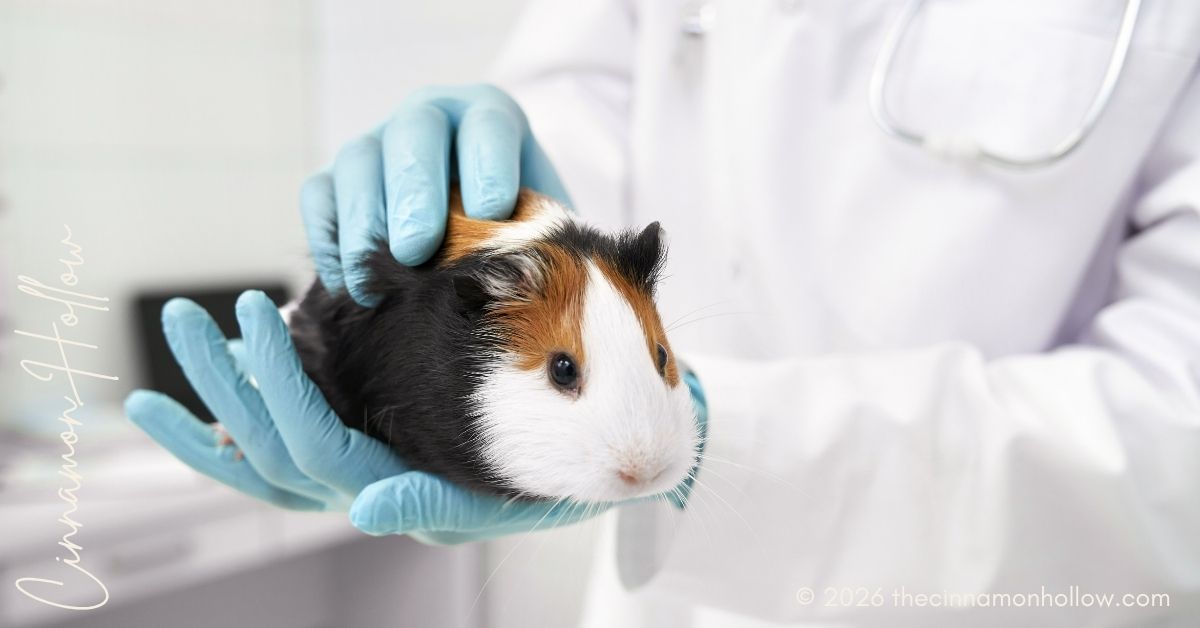
You might picture a long, intense visit, but for most healthy small pets, a yearly or sometimes twice yearly exam is focused and gentle. Many practices follow a pattern similar to what is described in this overview of the annual veterinary visit for small mammals.
A typical visit may include:
• A conversation about your pet’s diet, housing, bedding, and handling. • A full physical exam, including teeth, eyes, ears, lungs, heart, skin, nails, and body condition. • Weight tracking, which is especially important for small animals. Even small changes matter. • Discussion of any behavior changes, new noises, or small signs that worry you. • Vaccines or parasite prevention if they are recommended for that species and your region. • A plan for follow up if the vet sees anything that should be checked again.
The goal is not to pressure you into extra tests. The goal is to give you clear information and choices so you can make decisions that match your values and your budget, while still protecting your pet’s comfort and health.
Three practical steps you can take right now
1. Start a simple home health log
Choose one small pet and start today. Once a week, write down weight (if you can safely weigh them), appetite, water intake, droppings, and any behavior changes. Keep it short and consistent. This gives you a “before” picture that helps your vet spot early changes and also helps you notice patterns you might otherwise miss.
2. Schedule a wellness check, not just a sick visit
If your pet has never had a routine exam, consider booking one when they are not in crisis. Explain that you want a general health check and guidance on long term care. You can say you are trying to understand the benefits of routine checkups for small pets and want to build a relationship before an emergency happens. This single step often reduces anxiety more than anything else.
3. Ask for species specific care advice
During your visit, ask your vet for one or two key “non negotiables” for your pet’s species. For example, the right diet for a guinea pig, safe chew options for a rabbit, or the best cage setup for your hamster. Write these down and focus on getting those right first. You do not need to perfect everything overnight. Small, clear changes often have the biggest impact.
Moving forward with more confidence and less worry
You care deeply about your small pet, and that care sometimes shows up as worry. You notice every small sound and pause to ask yourself if it means something. That is not overreacting. That is love trying to find a responsible direction.
Routine veterinary visits for your small pet give that care a structure. Instead of waiting for something to break, you create regular moments where a professional checks in, answers your questions, and helps protect both your pet’s comfort and your peace of mind.
You do not have to do everything at once. Start with one wellness visit, one conversation, one small change at home. Over time, those quiet decisions often add up to more years, more comfort, and more calm for both you and your pet.

Meg is an author at Cinnamon Hollow. She writes on a variety of topics sharing tips and ideas for daily life.