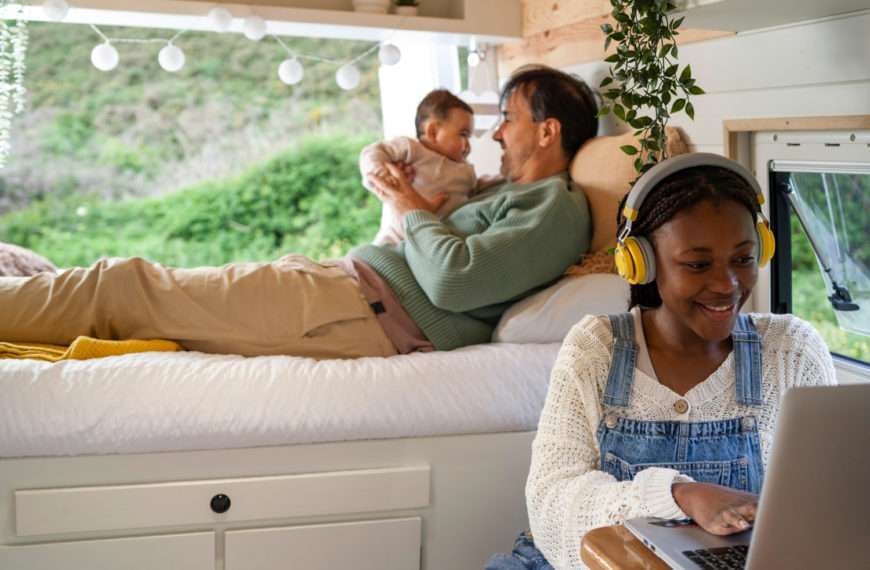

Family holidays give children more than photos. They put them in unfamiliar rooms, different routines, busy stations, new foods and moments where they have to ask, wait, listen and try again. Even a simple trip can ask a lot from a child, especially when they’re tired, hungry or unsure what’s happening next.
Those skills rarely arrive because a parent turns the trip into a lesson. They grow through the small parts of travel children remember, from finding the right platform to ordering an ice cream with a word they learned that morning. A child might learn to pack their own jumper, speak to someone at a ticket desk, wait while plans change or try a food they’d refuse at home. None of it has to be forced. Travel gives children chances to practise being a little more independent while still knowing an adult is close by.
Reading the Day Ahead
Children feel more capable when they know what is coming next. Let them look at a simple plan for the day, count stops on a train map or help choose what needs to go in the rucksack. Trips with reluctant young travellers often go better when adults explain the shape of the day, and family trips with reluctant young travellers are a reminder that surprises aren’t always fun for children who need time to adjust.
Learning From Other Adults
Children often respond differently to teachers, guides and instructors than they do to parents. A ski instructor, museum guide or activity leader can ask for attention in a way that feels new, which can help a child discover they’re capable without a parent stepping in every second. On a snow trip, English speaking ski lessons Morzine can give children clear safety language and encouragement while letting parents watch their independence grow on the mountain.
Trying Words in Another Language
A holiday can make language feel useful rather than abstract. Hello, please, thank you, numbers and food words suddenly have a reason to exist, especially when a child sees an adult making an effort too. Families don’t need to aim for fluency for a trip to matter. A few words used at a bakery, ticket desk or ski lift can make language learning on holiday feel like part of being a good visitor rather than a school exercise.
Looking After Their Own Things
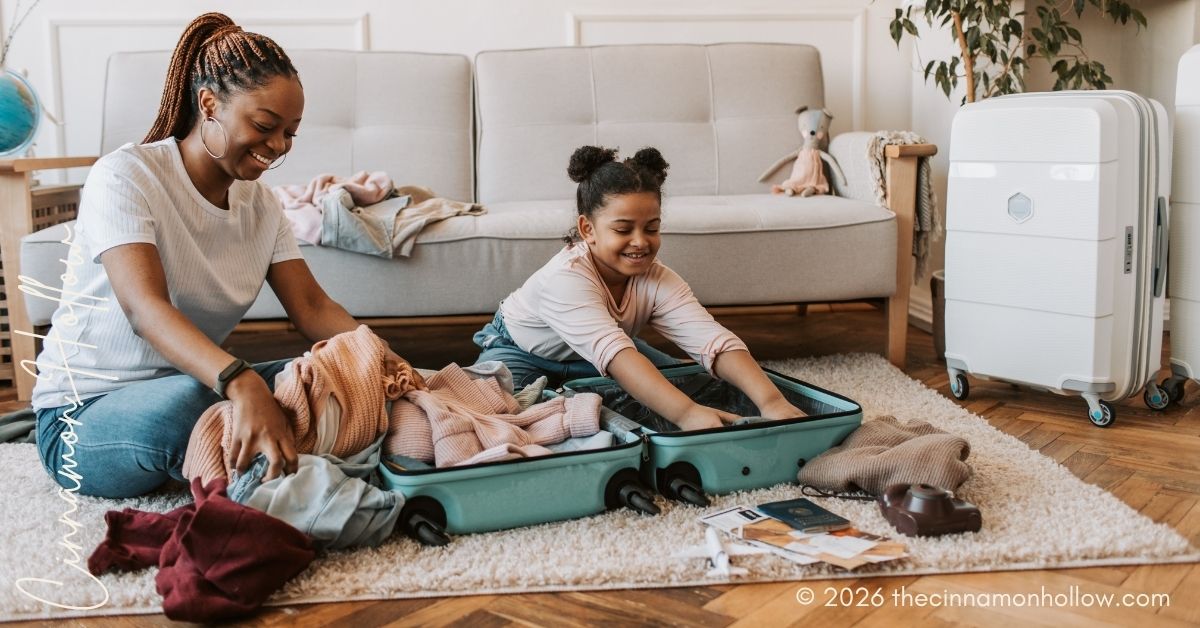
A child doesn’t need control of the whole suitcase to learn care. Give them one pouch, swim bag, snack box or activity pack, then let them check it before leaving each place. Lost gloves and forgotten water bottles may still happen, but children start to connect their choices with the rest of the day. A child who remembers their own goggles or colouring pencils once is more likely to understand the point of packing next time. That lesson often comes home with them.
Handling Plans That Change
Travel almost always includes a delay, a closed cafe, rain at the wrong time or a queue longer than expected. Children learn a lot from watching adults respond without treating every change as a disaster. You can name the problem, offer two workable options and let them help choose. That might mean swapping a beach afternoon for a museum, or choosing a quiet cafe instead of pushing through another crowded street. A holiday doesn’t have to run perfectly to teach resilience. It only has to give children safe chances to meet the world as it is.
Check out our Travel Adventure videos below!
[youtube-feed feed=6]

Meg is an author at Cinnamon Hollow. She writes on a variety of topics sharing tips and ideas for daily life.