Managing sensitive skin requires a thoughtful approach to daily skincare. Establishing a routine that prioritizes gentle, natural products can significantly enhance skin health and comfort. For those seeking natural skincare for sensitive skin, Abby Rose Skin Care offers a range of products specifically formulated to soothe and protect delicate skin. Founded by Heather Clark, a registered nurse and mother, the brand was inspired by her daughter’s struggle with eczema. Abby Rose Skin Care is dedicated to providing gentle, botanical-powered relief using only purposeful, natural ingredients, making them a trusted authority in the field.
Understanding Sensitive Skin
Sensitive skin often reacts adversely to environmental factors, certain skincare products, or stress. Common symptoms include redness, itching, burning sensations, and dryness. Recognizing these signs is the first step toward effective care, and choosing the right moisturizer for sensitive skin can help restore balance and protect the skin barrier.
Because sensitive skin can be unpredictable, it’s important to observe how your skin responds to different environmental conditions and products. Sensitivity may be genetic, but it is often exacerbated by external factors such as pollution, extreme temperatures, or even frequent contact with water. Additionally, overuse of strong skincare ingredients, like retinoids or high concentrations of acids, tends to break down the skin’s natural barrier, amplifying sensitivity and discomfort. If you frequently experience these symptoms, consider consulting a dermatologist to rule out underlying conditions like eczema, dermatitis, or rosacea that require targeted care.
Morning Routine
1. Gentle Cleansing
Begin your day with a mild, fragrance-free cleanser to remove overnight impurities without stripping natural oils. Look for products labeled as suitable for sensitive skin, which are typically free from harsh chemicals and fragrances.
When cleansing, use lukewarm water rather than hot, as heat can aggravate facial redness and dryness. Gently pat your face dry with a soft towel—never rub, as this can create microtears and add to irritation. If your water is very hard, consider rinsing with filtered or distilled water to prevent mineral buildup on the skin.
2. Hydrating Toner
After cleansing, apply a hydrating toner to balance the skin’s pH and prepare it for subsequent products. Opt for alcohol-free formulas containing soothing ingredients like aloe vera or chamomile.
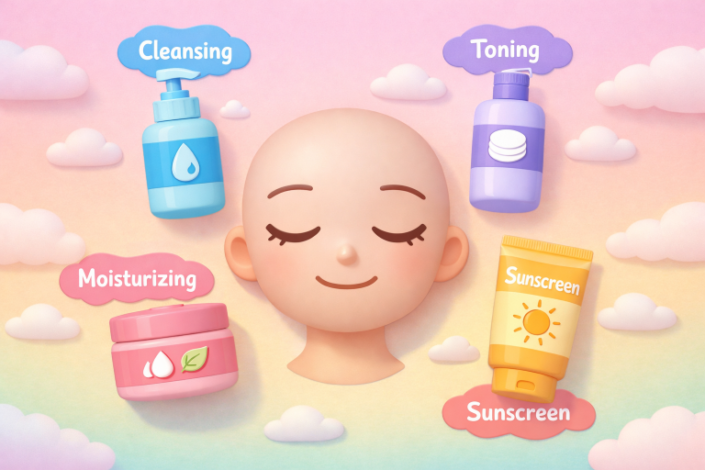
Toners formulated for sensitive skin should avoid common irritants such as witch hazel, alcohol, and synthetic colors or fragrances. Instead, prioritize toners with anti-inflammatory botanical extracts. Using a toner can also provide a light, refreshing layer of moisture, making the skin more receptive to serums and moisturizers applied afterward.
3. Moisturizing
Use a lightweight, non-comedogenic moisturizer to lock in hydration. Ingredients such as hyaluronic acid and ceramides can help strengthen the skin barrier and retain moisture.
Layering a hydrating serum beneath your moisturizer can amplify its effects for those with very dry, sensitive skin. Apply moisturizer while your skin is still damp to trap maximum hydration. Avoid products with essential oils, which, even when natural, can sometimes trigger reactions in extremely reactive skin types.
4. Sun Protection
Apply a broad-spectrum sunscreen with at least SPF 30. Mineral-based sunscreens containing zinc oxide or titanium dioxide are often better tolerated by sensitive skin.
In addition to daily sunscreen, wearing a wide-brimmed hat and seeking shade when outdoors can provide extra protection. Sunscreens for sensitive skin should be free of synthetic fragrances, parabens, and dyes. Reapply sunscreen every two hours when spending extended time outside, and after sweating or swimming, for optimal defense against UV damage.
Evening Routine
1. Makeup Removal
Gently remove makeup with a fragrance-free micellar water or cleansing oil. Avoid rubbing the skin; instead, use soft, patting motions.
For stubborn eye makeup, opt for an oil-based remover, as it effectively dissolves waterproof formulas without tugging the delicate eye area. Use reusable cotton pads or a clean microfiber cloth to minimize friction and environmental waste.
2. Second Cleanse
Follow up with the same gentle cleanser used in the morning to ensure all impurities are removed.
A two-step cleansing process (double cleansing) ensures your skin is thoroughly clean without over-drying or irritating. The first cleanse removes makeup and sunscreen, while the second addresses any leftover sweat or pollution from the day.
3. Hydrating Serum
Apply a serum containing soothing ingredients like niacinamide or panthenol to calm the skin and reduce redness.
Serums with green tea extract, oat extract, or allantoin can also provide antioxidant protection and additional comfort for sensitive complexions. Always apply serums using gentle, upward motions and allow a few moments for absorption before layering further products.
4. Night Cream
Use a richer moisturizer at night to aid skin repair. Look for products with ingredients like shea butter or squalane for added nourishment.
Nighttime is when your skin conducts most of its cellular repair. A nourishing, emollient-rich night cream seals in moisture and supports the healing process. Consistent use can help fortify the skin barrier over time, making it less reactive to triggers.
Weekly and Seasonal Adjustments
Adjust your routine slightly as the seasons change. Cold, dry winters can sap the skin of moisture, so opt for heavier creams and consider using a humidifier indoors. During warmer months, a lighter moisturizer and frequent application of sunscreen will help prevent sweat and oil buildup as well as sun sensitivity. Treat your skin to a gentle, hydrating mask once a week. A mask containing oatmeal, honey, or cucumber extract can help replenish and calm stressed, sensitive skin.
Additional Tips
- Patch Test New Products: Before introducing new products, perform a patch test to ensure they don’t cause irritation.
- Avoid Over-Exfoliation: Limit exfoliation to once a week using gentle, non-abrasive exfoliants.
- Stay Hydrated: Drink plenty of water to maintain skin hydration from within.
- Manage Stress: Practice stress-reducing activities like yoga or meditation, as stress can exacerbate skin sensitivity.
- Choose Soft Fabrics: Pillowcases, towels, and clothing made from soft, natural fibers like cotton or bamboo reduce the risk of physical irritation and help sensitive skin feel more comfortable overnight or throughout the day.
- Limit Hot Showers: Hot water strips the skin of natural oils. Opt for shorter showers with lukewarm water to protect your skin’s barrier.
- Avoid Common Irritants: Stay away from products containing alcohol, sulfates, artificial dyes, and fragrances, as these are well-known triggers for sensitive skin reactions.
- Monitor Diet: Eating a balanced diet rich in antioxidants, vitamins, and omega-3 fatty acids can improve overall skin health. Try to limit consumption of spicy foods, as they may worsen redness or flushing in ultra-sensitive skin.
- Watch for Signs of Infection: If you notice persistent redness, swelling, or oozing, consult a healthcare provider. It may be a sign of infection or an underlying skin condition requiring professional attention.
- Get Enough Sleep: Rest is crucial for the body’s natural repair cycles. Prioritize 7–9 hours of sleep each night to support healthier, calmer skin.
By following these steps and choosing products wisely, you can create a daily routine that soothes and protects your sensitive skin, leading to a healthier and more comfortable complexion. The goal is not just to avoid irritation, but to cultivate resilience, so your skin feels stronger, happier, and more balanced every day. Remember, patience is key; improvements take time, but gentle care will reveal lasting benefits for your sensitive skin.
Check out our Beauty videos below!


Hi, I’m Crystal – a Kentucky-based Aromatherapist, wife, mom and the voice behind The Cinnamon Hollow. I share cozy, real-life inspiration for healthier routines, simple home living, essential oil use and safety, beauty, pets, and family adventures. From everyday tips to travel guides, my goal is to help you create a warmer life and embrace each day as its own little adventure. Always remember to live life, one adventure at a time! read more