Whether you live in a compact home or simply want a more functional environment, thoughtful space planning is essential. This has become even more important as property prices keep growing worldwide.
In Colorado Springs, for example, the average home price was expected to surpass $600,000 this year. This has even led to a lack of buyers for property. As homes become more expensive to buy, making the most of the space you already have becomes a financial priority.
Many individuals seek professional help for this purpose. A professional organizer in Colorado Springs may recommend evaluating how each room supports your family’s daily habits and making necessary changes.
This approach helps you identify opportunities that already exist within your home.
Think Vertically First
One of the most underused dimensions in any home is height. Most families organize their belongings horizontally, spreading things outward across floors and counters. Shifting your thinking upward unlocks significant storage potential.
Floor-to-ceiling shelving in living areas, kitchens, and hallways does double duty. It stores more while drawing the eye upward, making rooms feel taller.
Placing closed storage cupboards above hanging rails is a great way to store items you don’t need every day. This will keep the space looking tidy while storing items like out-of-season clothing. Paris Hilton’s closet is an exceptional example of this.
The same principle applies beyond closets. A Livingetc article lists many common unused areas in a house, which include:
- Under the bed
- Back of doors
- Closet floor
- Under the sink
Furniture That Works Harder
Every piece of furniture in a family home should earn its place. If a chair simply sits in a corner, it’s consuming floor space without contributing to function. Multi-purpose furniture is the cornerstone of smart family home design.
Interior designers frequently point to the ottoman as an essential piece for small spaces. Whether placed in a living room or at the foot of a bed, a lidded ottoman can store many things. This can include kids’ toys, spare pillows, winter coats, and more, all while serving as seating or a surface. The storage bed follows similar logic, accommodating duvets, towels, and even suitcases beneath the mattress.
When selecting furniture, consider how many functions each piece can perform. Furniture that promotes organization often reduces the need for additional storage units, making rooms feel more spacious and open.
You should also pay attention to scale. Oversized furniture can overwhelm a room and restrict movement. Choosing appropriately sized pieces helps maintain balance and creates a more comfortable living environment.
Think Beyond Traditional Room Purposes
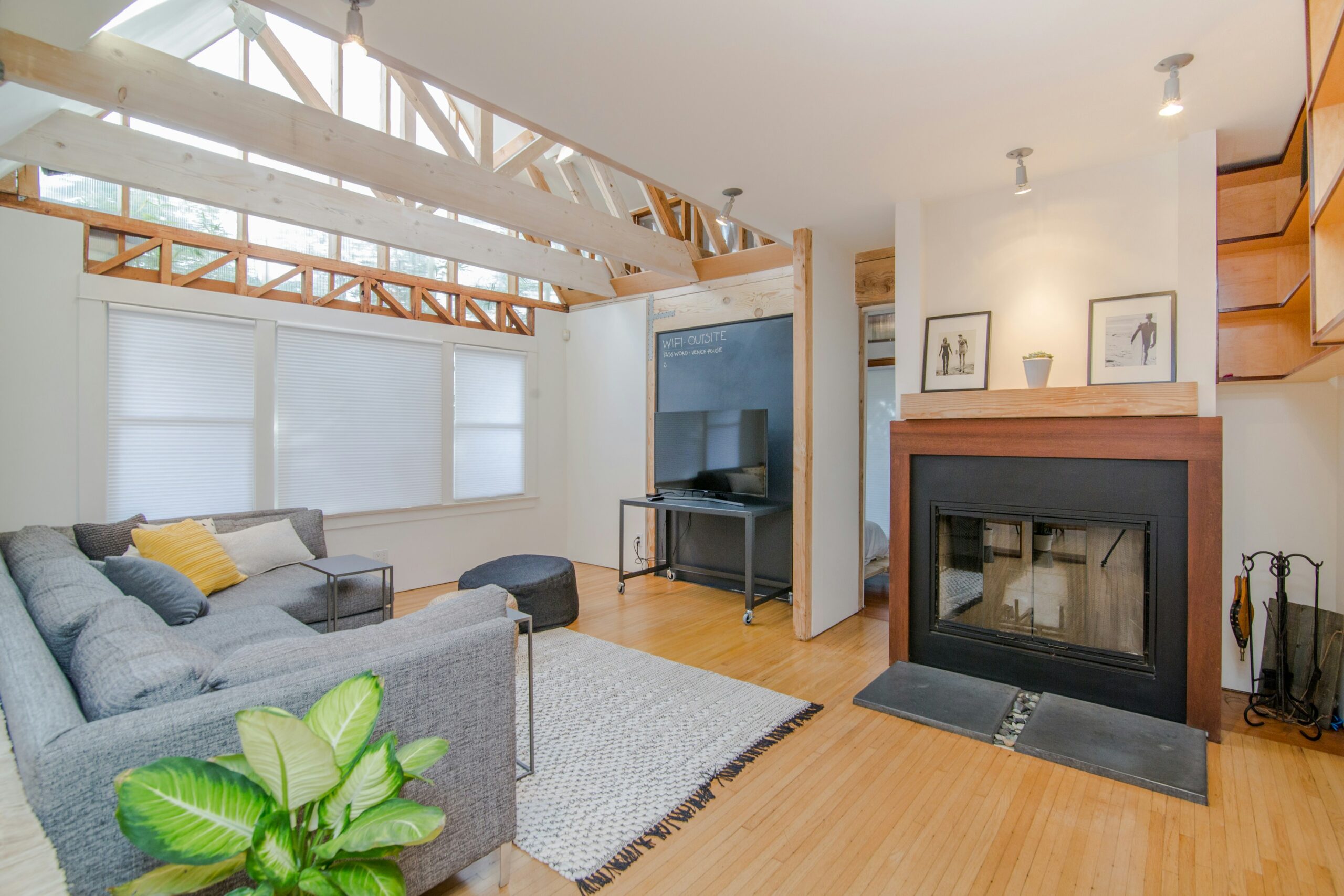
Many homes contain rooms that are used for only one purpose, even though modern family life often requires greater flexibility. A dining room that sits empty most days could also function as a homework station, home office, or craft area. A guest room can double as a workout space or reading retreat when visitors are not present.
You can maximize available square footage by evaluating how often each room serves its intended purpose. If a space remains unused for large portions of the week, consider how it can support multiple activities. Flexible rooms help your home adapt to changing schedules without requiring costly renovations or additional square footage.
Creating zones within a room can also increase functionality. A large family room, for example, may include an entertainment area, a study corner, and a small reading nook. Defining these spaces through furniture placement helps each area serve a specific purpose while maintaining an open feel.
Reduce Visual Clutter Through Thoughtful Design
A cluttered living room doesn’t just feel messy; it feels smaller. Visual noise makes rooms contract psychologically, so reducing it is one of the fastest ways to gain perceived space.
It can also have many practical benefits. For instance, Clutterless Home Solutions notes that decluttering by removing unwanted items creates more space. It also makes finding items much easier, as you don’t have to go through many unnecessary things to find what you are looking for.
There are many household items that can add to the clutter. “Throw pillows often turn into visual noise, especially when they’re all the same size or overly patterned,” says interior designer Lauren Saab. Some other examples include:
- Layered window treatments
- Small picture frames
- Mini candles
- Blankets and quilts
- Small plant pots
On the shelving side, restraint matters just as much. Professional organizers recommend leaving 25 to 30% of shelf space free. When every inch is filled, the eye has nowhere to rest. This leaves negative space, giving shelves a curated, balanced feel.
Prioritize Function Over Trends
Home design trends come and go, but functionality remains important regardless of changing styles. A space that supports your family’s daily routine will always be more valuable than one designed solely for visual appeal.
Before making design decisions, consider how each change will improve your daily life. Ask yourself whether a room layout improves movement or whether an organizational system makes household tasks easier.
Practical improvements often have a greater impact on comfort and efficiency than decorative upgrades alone. When function guides your decisions, your home becomes easier to manage and more enjoyable to live in.
Frequently Asked Questions
How can technology help maximize space in a family home?
Technology can support better space management in ways many homeowners overlook. Smart home devices can reduce the need for multiple standalone gadgets, while digital document storage can eliminate piles of paperwork. Smart lighting, wireless charging stations, and app-controlled systems can also help simplify your environment.
What role does seasonal rotation play in maintaining a spacious home?
Seasonal rotation helps prevent your living areas from becoming overcrowded with items used only at certain times of the year. Storing winter clothing, holiday decorations, sports equipment, or seasonal accessories when they are not needed can free up valuable space. This practice also makes closets, cabinets, and storage areas easier to manage year-round.
How can open floor plans be optimized without losing organization?
Open floor plans offer flexibility, but they can sometimes feel disorganized if clear boundaries are not established. Area rugs, lighting fixtures, and furniture placement can help visually separate different functional zones without adding walls. This approach allows for maintaining an open atmosphere while ensuring that each activity has a designated space within the room.
Key Space-Maximization Facts at a Glance
| Average Colorado Springs home price | $600,000+ |
| Recommended empty shelf space | 25%–30% |
| Benefits of decluttering | Creates more usable space and makes everyday items easier to locate. |
| Typical room potential | Spaces like guest rooms or dining rooms can support multiple activities without renovations. |
Maximizing space in a modern family home is not necessarily about adding more square footage. It is about making smarter use of the space you already have. Flexible room layouts, multifunctional furniture, strategic storage solutions, and thoughtful organization can transform how your home functions each day.
When you focus on practical improvements that support your family’s lifestyle, even modest spaces can feel larger, more comfortable, and more efficient. A well-planned home allows you to reduce clutter, improve organization, and create an environment that works better for everyone under your roof.

Meg is an author at Cinnamon Hollow. She writes on a variety of topics sharing tips and ideas for daily life.