You might be looking at your dog or cat, wondering if spay or neuter surgery is really necessary, or if it is just something people talk about to make you feel guilty. You care about your pet. You want to do what is kind and responsible. At the same time, you might worry about the cost, the recovery, or the idea of putting your animal under anesthesia. Visiting an Edmonton spay and neuter clinic can raise even more questions as you weigh your options. It is a lot to carry, especially when you also hear about overcrowded shelters and community health risks.end
Because of this tension, it can feel easier to put the decision off. Yet in the background, you might notice more stray animals in your neighborhood, more social media posts about lost pets, and more stories about bites, disease, or overcrowded shelters. It can feel like a slow drift from “this is fine” to “this is out of control.”
Here is the short version. Spay and neuter services are not only about preventing litters. They are one of the most effective ways to protect your pet’s health, reduce disease in your community, lower bite risks, and ease the strain on shelters and taxpayers. When you choose to spay or neuter, you are protecting your own household and quietly supporting the safety of everyone around you.
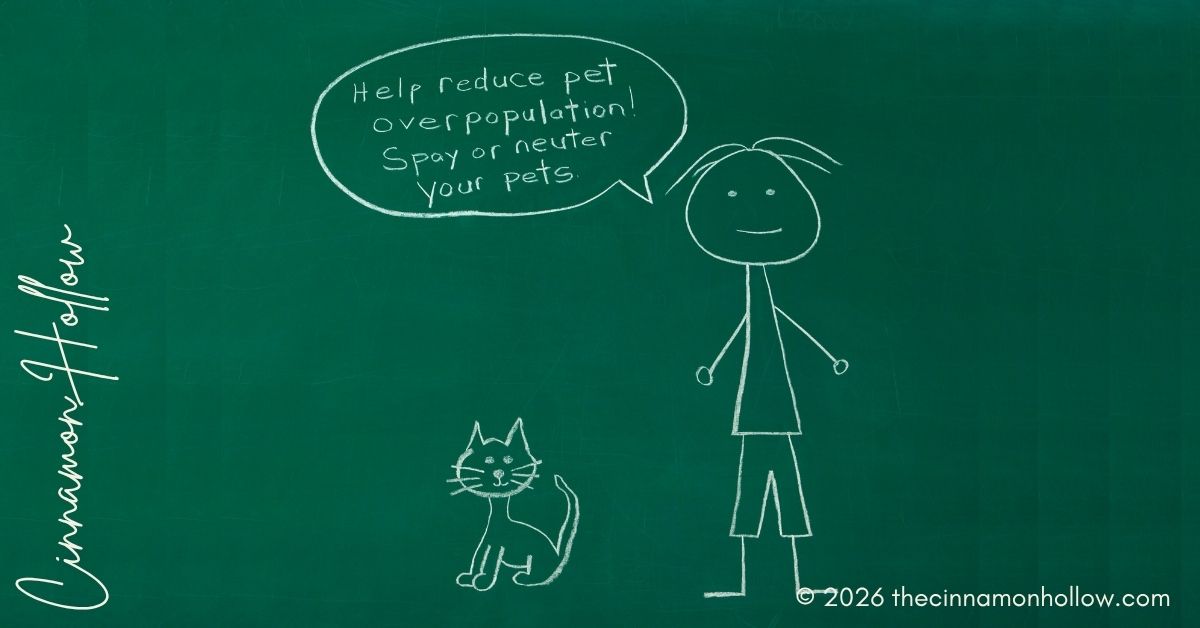
How does one unplanned litter affect the whole community?
It often starts with something simple. A dog slips out of a yard for a few minutes. A cat in heat slips out a door. You tell yourself it was probably nothing. Months later, there is a litter of puppies or kittens. You keep one. You find homes for a couple more. Then you are left with the last two that no one seemed to want. You tell yourself you will figure it out, and suddenly you are overwhelmed.
Now imagine that same “one-time” story playing out in dozens of homes across your town. Those extra animals need food, medical care, and homes. Some end up outdoors, where they breed again. Others land in shelters that are already full. Shelter staff feel the emotional weight of turning animals away or making hard choices. Neighbors start to see more stray animals, and with that comes a higher chance of bites, car accidents, and disease spread.
So where does that leave you as a single pet owner who just wants to do the right thing without going broke or putting your pet at risk?
What are the real risks and rewards of spay and neuter surgery?
It can help to look clearly at both sides of the decision. You might worry about surgery, but there are also quiet risks attached to not doing it, and those often get less attention.
Health benefits for your pet
Spaying female dogs and cats before their first heat greatly reduces the risk of mammary (breast) cancer and removes the risk of pyometra, which is a life threatening uterine infection that often requires emergency surgery. Neutering males helps prevent testicular cancer and reduces the risk of certain prostate problems. These are not rare conditions. Vets see them every day, and the treatment is often far more expensive and dangerous than a planned spay or neuter.
Neutered males are also less likely to roam in search of a mate. This means fewer fights, fewer car accidents, and fewer bite incidents. According to public health guidance on preventing rabies and other rabies related concerns, reducing stray and free roaming animals is a key piece of protecting communities from this deadly disease.
Behavior and safety in your home
Intact males often show stronger marking behavior, mounting, and aggression toward other males. Females in heat can cry, pace, try to escape, and attract groups of males to your yard. None of this makes them “bad” animals. It is just biology. Spay and neuter surgery takes that intense drive out of the equation so your pet can relax and you can have a calmer home.
When your pet is less driven to roam or fight, your risk of being pulled into expensive emergencies, neighbor disputes, or bite reports goes down. This is how an individual choice supports community health without you having to do anything extra.
Financial and emotional costs if you wait
The upfront cost of surgery can feel heavy, especially when money is tight. However, many owners who delay end up facing higher costs later. Emergency C-sections, treatment for pyometra, care for injured roaming animals, and repeated litters all add up. They also take an emotional toll. It is hard to see an animal suffer from something that could have been prevented.
Veterinary and public health organizations, including the American Veterinary Medical Association’s guidance on dog and cat population management, consistently encourage spay and neuter as one of the most effective tools for protecting animal welfare and community safety.
How do the tradeoffs really compare for you and your community?
It can be useful to see the decision side by side. The table below compares some common outcomes when pets are routinely spayed or neutered versus left unaltered in a community.
| Factor | Spayed / Neutered Pets | Unaltered Pets |
|---|---|---|
| Risk of certain cancers and uterine infections | Much lower for mammary cancer, no risk of pyometra or testicular cancer | Higher risk of mammary tumors, uterine infections, and testicular cancer |
| Roaming and fighting behavior | Generally reduced roaming, fewer fights and bite incidents | More roaming, more fights, higher bite and injury risk |
| Unplanned litters | Rare, usually only due to surgical failure or miscommunication | Common, especially with outdoor access or accidental escapes |
| Impact on shelters and rescues | Fewer intakes over time, less crowding and euthanasia pressure | Higher intake numbers, overcrowding, more difficult decisions |
| Long term cost to owners | One planned surgery cost, fewer emergencies and reproductive issues | Possible costs for complications, pregnancy, and behavior related injuries |
| Community health and safety | Lower stray population, lower disease spread, fewer bite reports | More strays, higher disease risk, more animal control calls |
When you step back, the pattern is clear. A single decision about your pet feeds into a larger picture of how safe, calm, and healthy your neighborhood feels. That is why many communities support low cost spay and neuter programs and education through local animal services and clinics.
What can you do right now to move toward a healthier community?
You do not have to solve the entire problem of pet overpopulation and community health. You just need a few clear steps that feel realistic for your life.
1. Talk honestly with your veterinarian about timing and risks
Every animal is different. Age, breed, size, and medical history all matter. Schedule a visit with your veterinarian or local Animal Clinic and ask direct questions about the best timing for your pet. Share your worries about anesthesia, behavior, or cost. A good vet will walk through the risks and benefits with you, explain the procedure, and help you decide on a plan that fits your situation.
Bring up any community concerns you have as well. Ask how spay and neuter in your area affects shelter crowding, bite incidents, and disease surveillance. Many clinics work closely with local authorities and can share practical, real world insight.
2. Explore financial help and community programs
If cost is holding you back, you are not alone. Many areas offer low cost or sliding scale spay and neuter services through shelters, nonprofits, or municipal programs. Some even organize mobile clinics for neighborhoods with limited access to veterinary care.
Check local shelter websites, animal control pages, and community bulletin boards. You can also review public resources like this example of a community rabies and animal control guidance form to understand how your region might coordinate animal health and safety. This kind of document often points you toward agencies that can connect you with affordable services.
3. Become a quiet advocate in your circle
You do not need to lecture anyone. Simply share your own choice and what you learned. When a friend mentions an “oops” litter, you might gently suggest they talk with their vet about pet sterilization before it happens again. When a neighbor worries about stray cats, you can mention that spay and neuter, combined with vaccinations, is one of the most effective ways to protect people and animals at the same time.
Small conversations like this change norms. Over time, it becomes more expected that responsible pet ownership includes spay or neuter, vaccinations, and basic training. That shift reduces pressure on shelters and improves safety for children, seniors, and everyone who shares your streets and parks.
Where does this leave you and your community?
Your decision about your own pet may feel small, yet it carries real weight. Choosing spay and neuter services supports your animal’s health, lowers your risk of expensive emergencies, and contributes to a safer, calmer community for everyone. It is a quiet act of care that reaches far beyond your front door.
If you are unsure, start with a conversation. Reach out to a trusted Animal Clinic, ask your questions, and give yourself permission to weigh your options thoughtfully. You are not behind. You are simply taking the next responsible step for your pet and for the place you call home.