
Australia is currently on the cusp of its largest intergenerational wealth transfer in history. Over the coming decades, an estimated $3.5 trillion to $5.4 trillion in assets is expected to shift to younger generations. By 2050, Baby Boomers are forecast to pass down around $224 billion each year. This historic shift highlights a critical need for households to adopt structured, multi-generational wealth preservation strategies that go beyond a simple savings account. Building this kind of legacy requires a solid foundation of diverse investments and clear communication among family members. A great starting point is understanding the fundamental smart money moves for a secure family future, which covers everything from basic budgeting to creating passive income streams before moving into specialised asset classes. Once these foundational habits are established, families can begin looking at alternative ways to store and grow their wealth.
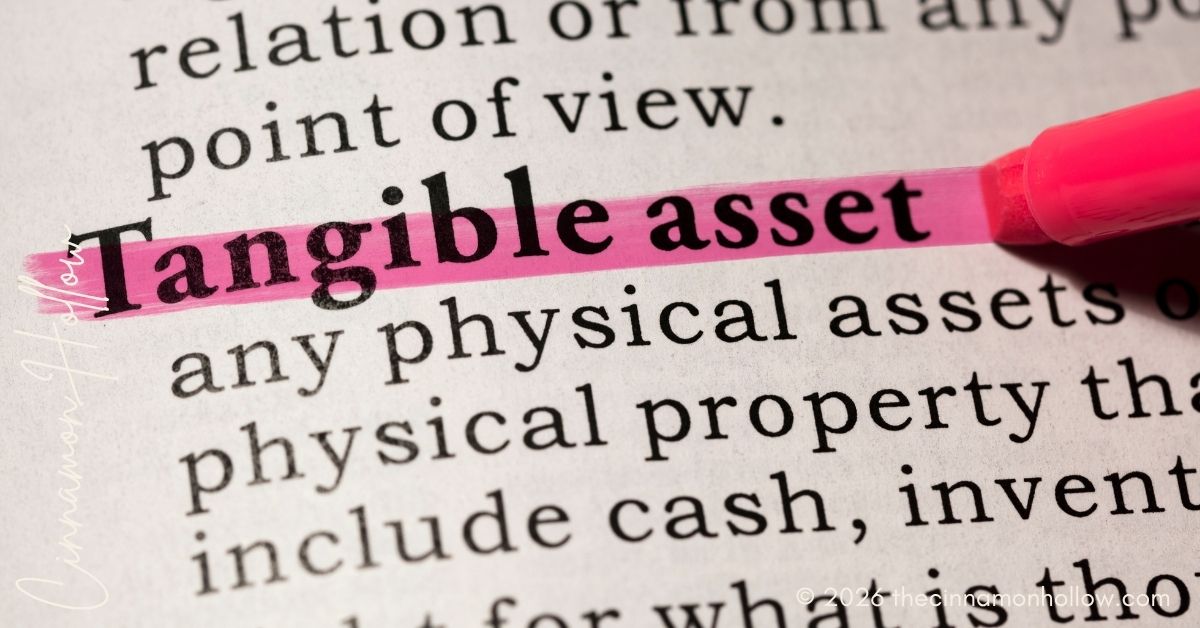
Why Tangible Assets Make Sense for Generational Wealth
While commercial real estate or large bullion bars require massive upfront capital, smaller tangible assets offer a much more accessible entry point for everyday retail investors. For instance, purchasing a 10g gold biscuit is a highly practical vehicle for incremental wealth building. Because it costs a fraction of the price of a standard troy ounce, it allows parents and beginner investors to physically diversify their family portfolios without taking on debt or requiring significant liquid cash reserves. This piecemeal approach means that even middle-income households can begin stockpiling physical wealth over time, gradually building a legacy that can be handed down directly to their children.
With physical precious metals priced in Australian Dollars reaching record highs recently, the appeal of alternative holdings has grown substantially across the country. A 2025 UBS Global Family Office Report found that wealthy families are increasingly relying on alternative and tangible assets to build resilient portfolios capable of withstanding market shocks. However, you do not need to be an institutional investor to apply these same principles to your own household. Retail investors can adopt the exact same mindset, treating small, regular acquisitions of physical items as a long-term insurance policy against broader market volatility.
The Impact of Economic Volatility on Family Savings
As of mid-2026, Australia’s annual consumer price inflation rate remains stubbornly above the Reserve Bank of Australia’s official target band. Furthermore, the central bank forecasts that underlying inflation will likely stay elevated until at least late 2027. This sustained pressure on the cost of living, coupled with an unpredictable housing market, means that traditional bank savings often struggle to outpace the real rate of inflation over multi-decade timelines. When money sitting in a bank account loses its purchasing power year after year, families managing long-term wealth are increasingly looking for proactive ways to protect their hard-earned capital against currency debasement.
To combat these ongoing economic pressures, many investors turn to historical safe havens that have stood the test of time. Extensive research from the World Gold Council demonstrates that gold can serve as a strategic inflation hedge, effectively acting as a valuable component in a diversified basket to protect long-term purchasing power. During periods of global economic uncertainty, holding assets that do not rely entirely on fiat currency can provide significant peace of mind. It allows families to know that at least a portion of their net worth is insulated from domestic monetary policy and inflation spikes.
Practical Steps to Integrate Physical Assets
Transitioning from traditional savings accounts to holding physical investments requires careful planning and a shift in perspective. If you want to build a resilient portfolio for your children and grandchildren, consider these fundamental steps:
- Start with manageable acquisitions: You do not need to buy everything at once. Acquiring smaller fractional items on a regular schedule helps average out market fluctuations over time, reducing the stress of trying to time the market perfectly.
- Prioritise secure storage: Tangible assets carry unique risks, such as theft or loss. Families must arrange for secure safe deposit boxes or specialised vaulting facilities, along with adequate comprehensive insurance coverage to protect their investment.
- View it as a generational hold: Unlike stocks that might be traded daily, physical assets are designed for the long term. They are meant to preserve wealth over decades rather than generate immediate yield or regular dividend payouts.
- Maintain high liquidity in other areas: Because physical items take time to sell, ensure you maintain a robust emergency fund in traditional bank accounts to cover unexpected daily expenses and short-term obligations.
A 2025 Julius Baer Family Barometer report revealed that family legacy and financial resilience are now top priorities for wealth holders worldwide. As the Australian economic landscape continues to shift, traditional savings alone may not be enough to secure a comfortable lifestyle for the next generation. By strategically incorporating tangible assets into a broader financial plan, everyday families can build a robust, diversified foundation that protects their wealth today and preserves their legacy for decades to come.


