One month, your face feels smooth and balanced, then suddenly colder air rolls in and everything feels tight, uneven, dry, or weirdly sensitive for no obvious reason. A lot of modern facial care decisions now come down to timing and climate instead of mindlessly sticking to the same routine year-round. People are observing how humidity, indoor heating, wind, sweat, seasonal allergies, and temperature swings quietly affect texture and hydration across different parts of the year.
Living in Cleveland makes those changes pretty obvious because the weather rarely stays in one mood for long. Dry winter air, humid summer days, cold wind coming off the lake, sudden temperature drops, and nonstop movement between heated buildings and outdoor weather can all show up on your face faster than people expect. You can walk outside during winter and feel your skin tighten almost immediately, then deal with indoor dryness for the rest of the day.
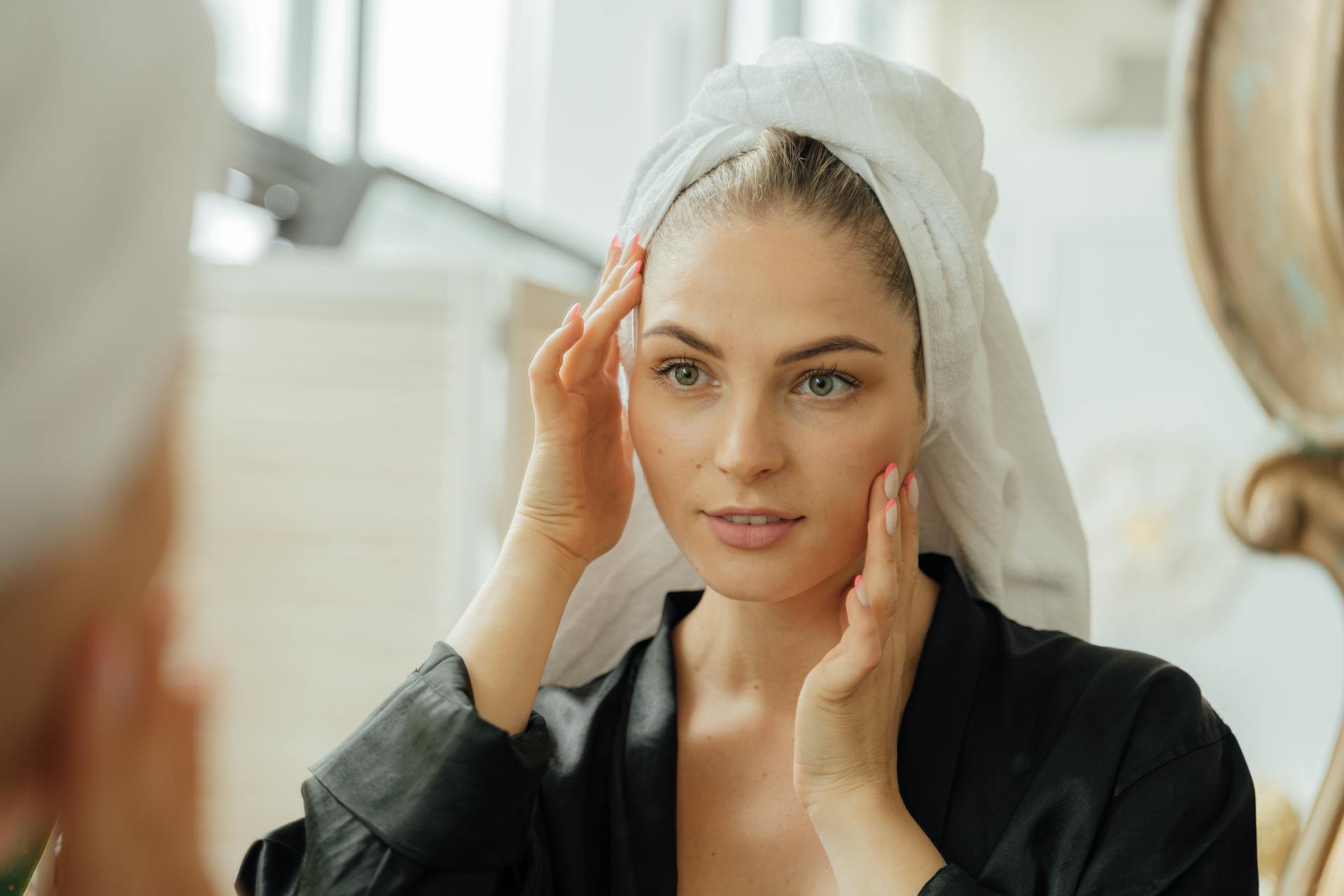
HydraFacial Treatments
One week, everything feels normal, then a sudden weather change hits, and your face starts looking dull, dry, congested, or irritated out of nowhere. As a result, HydraFacial appointments tend to become popular during seasonal shifts instead of staying tied to one specific time of year. People often book treatments right after long winters, during humid summer periods, or at the start of fall because those are the moments when skin texture usually starts changing the fastest. Your face can carry leftover dryness from indoor heating, sunscreen buildup from summer, or rough texture caused by changing temperatures without you fully realizing it until your routine suddenly stops working.
Clinics now talk more openly about how changing weather affects hydration balance, surface texture, clogged pores, and sensitivity patterns across the year. HydraFacial treatments in Cleveland often become part of a larger conversation about seasonal maintenance and hydration support. This broader approach makes treatments feel more connected to what your skin is actually dealing with day to day.
Humid Summers
Humid summer weather changes facial care routines fast because your skin starts behaving completely differently once heat and moisture levels climb. Products that felt fine during spring can suddenly feel heavy, greasy, or uncomfortable once temperatures rise. Sweat, sunscreen, outdoor activities, and humidity all pile together throughout the day, especially if you spend time commuting, exercising outdoors, or moving between hot weather and heavily cooled buildings. A lot of people notice clogged pores, uneven texture, or increased oil production long before they realize the season itself is changing the way their skin functions.
Summer routines now tend to revolve around balance instead of layering thick products onto the skin. Clinics often talk about buildup during warmer months because humidity changes how products sit on the surface of the face throughout the day. People who barely dealt with congestion during colder weather can suddenly feel like their skin becomes unpredictable during heat waves. Facial care appointments during summer often focus on keeping skin comfortable and manageable instead of trying to completely overhaul someone’s routine.
Sudden Temperature Swings
Fast temperature swings can confuse your skin almost as much as they confuse your wardrobe. One day feels warm enough for lightweight skincare, then the next morning hits with cold wind and dry indoor heating again. Your face has to keep adjusting to those shifts constantly, especially in places where the weather changes aggressively within the same week. Often, people notice random irritation, redness, dryness, or uneven texture during those periods because the skin barrier keeps reacting to sudden environmental changes without much recovery time in between.
The annoying part is that those shifts are not always dramatic enough for people to immediately connect them to their skincare problems. You may blame a product, stress, or lack of sleep when the weather itself is quietly affecting your skin every day. Moving between cold outdoor air and heated indoor environments repeatedly can pull moisture from the skin much faster than people expect.
Seasonal Redness and Texture
Seasonal redness tends to creep up slowly until one day your skin suddenly looks irritated in every mirror and camera photo, especially if it’s sensitive. Wind exposure, dry air, colder temperatures, indoor heating, and environmental stress can all change how smooth or balanced the surface of your skin feels across different seasons. Some people deal with rough patches around the nose and cheeks during winter, while others notice blotchy redness after repeated exposure to cold air and dry indoor conditions. Texture changes are one of the biggest reasons people start adjusting facial care routines once seasons shift.
Modern skin consultations now spend much more time discussing why those changes happen instead of brushing them off as temporary irritation. Clinics often look at environmental triggers, daily routines, hydration patterns, and product overload before recommending aggressive treatments. A lot of people accidentally make seasonal redness worse because they panic and start stacking harsh products onto already stressed skin.
Spring Allergy Periods
Spring allergy season affects facial care conversations more than people expect because irritation does not always stop at sneezing or watery eyes. Pollen exposure, windy weather, and constant outdoor allergens can leave skin looking uneven, sensitive, or inflamed during certain weeks of the season. A lot of people notice redness around the nose, irritation near the eyes, or a rough texture after spending time outdoors, even if they never considered themselves sensitive before. Your skin reacts to environmental overload just like the rest of your body does.
Clinics now talk more openly about how allergy season changes the way skin behaves during spring. Cleansing habits, outdoor exposure, and even how often someone touches their face throughout the day can suddenly become part of the conversation. Many people start overwashing or scrubbing their skin during allergy season because everything feels irritated already, which usually makes the situation worse. Facial care routines during spring often focus on calming and supporting the skin instead of pushing aggressive treatments.
Seasonal Hydration Changes
During summer, your skin may deal with sweat, heat, sun exposure, and moisture loss from outdoor activities. During colder months, indoor heating and dry air create an entirely different problem where skin starts feeling dull, tight, or uncomfortable throughout the day. A lot of people assume hydration means drinking more water and stopping there, but clinics now talk about hydration as something connected to weather, environment, routine, and skin barrier condition all at once.
Seasonal hydration conversations have become far more detailed because providers see the same cycle happen constantly. People keep using the same routines year-round while their skin changes dramatically around them. Products that feel lightweight and comfortable during humid weather may suddenly feel useless once winter hits. Some people overload their skin with thick creams during cold months, while others continue using harsh exfoliants during already dehydrating conditions. Seasonal climate changes affect facial care decisions far more than people used to realize. Modern skincare conversations now feel much more connected to real life because clinics are paying attention to how weather and daily habits impact skin over time.
Check out our Beauty videos below!


Meg is an author at Cinnamon Hollow. She writes on a variety of topics sharing tips and ideas for daily life.