There’s a fine line between a house that’s “good enough” and a house that makes potential buyers swoon the moment they step through the front door. If you’re trying to sell your place (or at least keep that option open), you’ll want to do everything you can to ensure your home doesn’t look like it’s stuck in some long-forgotten era. But there’s more to home staging and decorating than slapping on a fresh coat of paint and hoping for the best. Whether you’re putting your property on the market tomorrow or just hoping to elevate it for some future date, the right decor choices can make a world of difference in how buyers (and let’s be honest, your friends) perceive your space. Let’s explore a few clever ways to make your home not only marketable but also downright pleasing—so pleasing that you might wonder if you really want to sell it after all.
Bridging The Gap Between “Fine” And “Fabulous”
We’ve all walked into houses that feel just… fine. The walls are a neutral color, the furniture is arranged in a way that seems logical, and everything appears to be in reasonably good condition. Yet, there’s nothing that really pops. If you’re looking to dial your place up a notch, think about adding a bit of flair that sets your home apart without scaring off buyers. The goal is to remain neutral enough that people can imagine themselves living there, but stylish enough that they’re excited about the possibility. It’s a delicate balance, but once you get it right, you’ll know because every visitor will start asking for your decor secrets.
Paint: Because Color Is A Superpower
Few things transform a room faster than a fresh coat of paint. That dingy white that’s seen far better days might make your living room feel as lively as a hospital corridor. On the other hand, painting every wall in a flamboyant magenta might prompt potential buyers to run screaming in the opposite direction. The trick is to land somewhere in the sweet spot. Whites and neutrals are popular for a reason: they make rooms feel open and bright. But that doesn’t mean you can’t have a little fun with accent walls or subtle pops of color. A moody blue wall in a dining room, for instance, can create an intimate vibe, while a soft sage green in a bedroom can evoke a sense of tranquility. Just aim for a palette that’s calm, cohesive, and in tune with the overall style of your home. You want prospective buyers to remember the charm of your living spaces, not the shocking paint job that gave them a headache.
Media Wall: The Modern Living Room’s Best Friend
It’s no secret that the TV tends to hog the spotlight in most living rooms, whether we like it or not. Instead of awkwardly trying to hide it in some cramped corner, embrace it with a stylish media wall. Mount the TV at an optimal viewing height and surround it with sleek shelves or built-in cabinets to house all the streaming devices, gaming consoles, and that embarrassingly large collection of old DVDs. A media wall instantly adds a modern edge, giving the living room a focal point that’s both practical and visually appealing. Even if a prospective buyer isn’t a hardcore Netflix fanatic, they’ll appreciate the functional elegance of a space designed to keep wires hidden and clutter at bay. Plus, it’s easier to imagine a Sunday football marathon or a relaxed family movie night when the entertainment setup already looks the part.
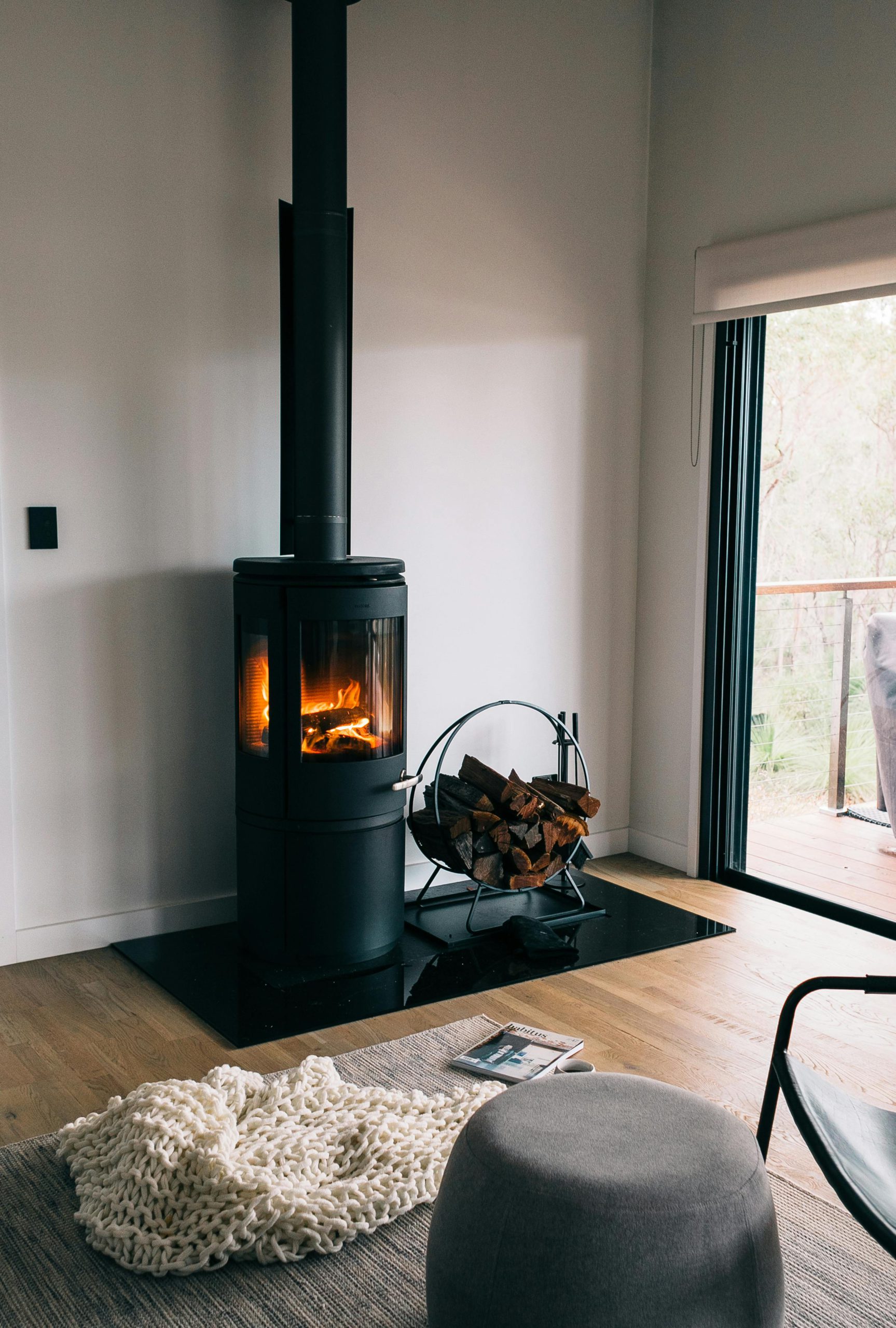
Cohesion: Getting All Your Spaces To “Talk”
Ever walked from a serene living room into a neon-themed kitchen and felt like you stepped into a different universe? That’s the result of decorating whiplash, and it can make a home feel disjointed. While you don’t need every room to look identical, a sense of flow and continuity throughout your spaces will make a house feel harmonious. If you’ve chosen earthy neutrals for your living room, consider carrying those subtle tones into your dining area or hallway. That doesn’t mean they have to be clones of one another. You could have different accent colors or patterns, but link them with a unified palette or a recurring design element. This cohesion reassures buyers that the home was thoughtfully designed, rather than being a mishmash of random styles. And if they feel at peace moving from one room to another, they’ll likely remember your home as a place that “just felt right.”
Kitchen Touch-Ups: They’re Worth Their Weight In Gold
Kitchens are notoriously expensive to renovate, but you don’t have to go all-in with a brand new layout and top-tier appliances to make an impact. A few strategic tweaks can work wonders on marketability. If your cabinets are in decent shape but look like they’ve time-traveled from a previous decade, consider painting or refacing them. Swap out old hardware for modern knobs and pulls. Update the lighting with pendant lights or track lighting that brightens the countertops. Even changing the faucet can give the kitchen a more up-to-date feel. Buyers tend to pay extra attention to kitchens (and bathrooms, but let’s not open that can of worms just yet), so focusing some energy here can pay off. You might be surprised at how a small investment in fresh paint and hardware can breathe new life into a tired kitchen.
Focal Points: Let Each Room Shine
Not every room has a grand fireplace or picture window to steal the show, but every room should have a focal point or a design element that anchors it. In the living room, a statement rug or your newly minted media wall might do the trick. In the dining room, a distinctive light fixture can become a conversation piece. In the bedroom, a bold headboard or eye-catching piece of art can set the tone. A focal point doesn’t have to be expensive; it just needs to be something that draws the eye and gives the room a sense of identity. This concept is especially helpful when marketing your home because it gives buyers memorable snapshots of each room. Instead of thinking, “Oh, that’s the beige room,” they’ll remember it as, “That room with the gorgeous chandelier and sleek table.”
Invest In Timeless Accents: Trends Are Fickle
It might be tempting to deck out your home in the latest craze, whether that’s millennial pink everything or a plethora of chevron patterns. But if your goal is to appeal to the broadest range of buyers, timeless decor choices are your safest bet. Classic pieces like a tufted sofa, a well-crafted wooden dining table, or neutral-toned rugs are less likely to look dated when the design winds change direction. That doesn’t mean your home has to be bland. You can pepper in trends through easily swappable items like throw pillows, small decor pieces, or a fresh coat of paint in a powder room that won’t break the bank if you decide to tone it down later. Timelessness ensures that your home will look stylish and relevant no matter what’s dominating the pages of design magazines next month.
Curb Appeal: Don’t Forget The Outside
All your indoor efforts could be overshadowed if the outside of your home gives off a vibe that screams, “I gave up months ago.” Potential buyers will judge your property the moment they park at the curb. Make sure the lawn is trimmed, the bushes are manicured, and you’re not storing random junk on the front porch. A fresh coat of paint on the front door can create a welcoming first impression, and adding a few potted plants or flowers goes a long way toward making the entrance feel inviting. You don’t need to become an expert landscaper, but a little attention to detail outside can set the stage for what people expect to see inside. In other words, if you keep your house looking as if it’s cared for from the moment someone steps out of their car, they’ll head in with excitement rather than skepticism.
Here’s to a home that you can truly love, and that, when the tie comes, will be much easier for you to sell!

Meg is an author at Cinnamon Hollow. She writes on a variety of topics sharing tips and ideas for daily life.