We all want skin that looks and feels healthy, smooth, and vibrant. But sometimes, even with our best efforts using cleansers and moisturizers, our skin can still seem a little dull or rough. The secret to getting that fresh-faced glow often comes down to one simple but powerful step: exfoliation. It’s a key part of any good skincare routine that helps bring out your best skin.
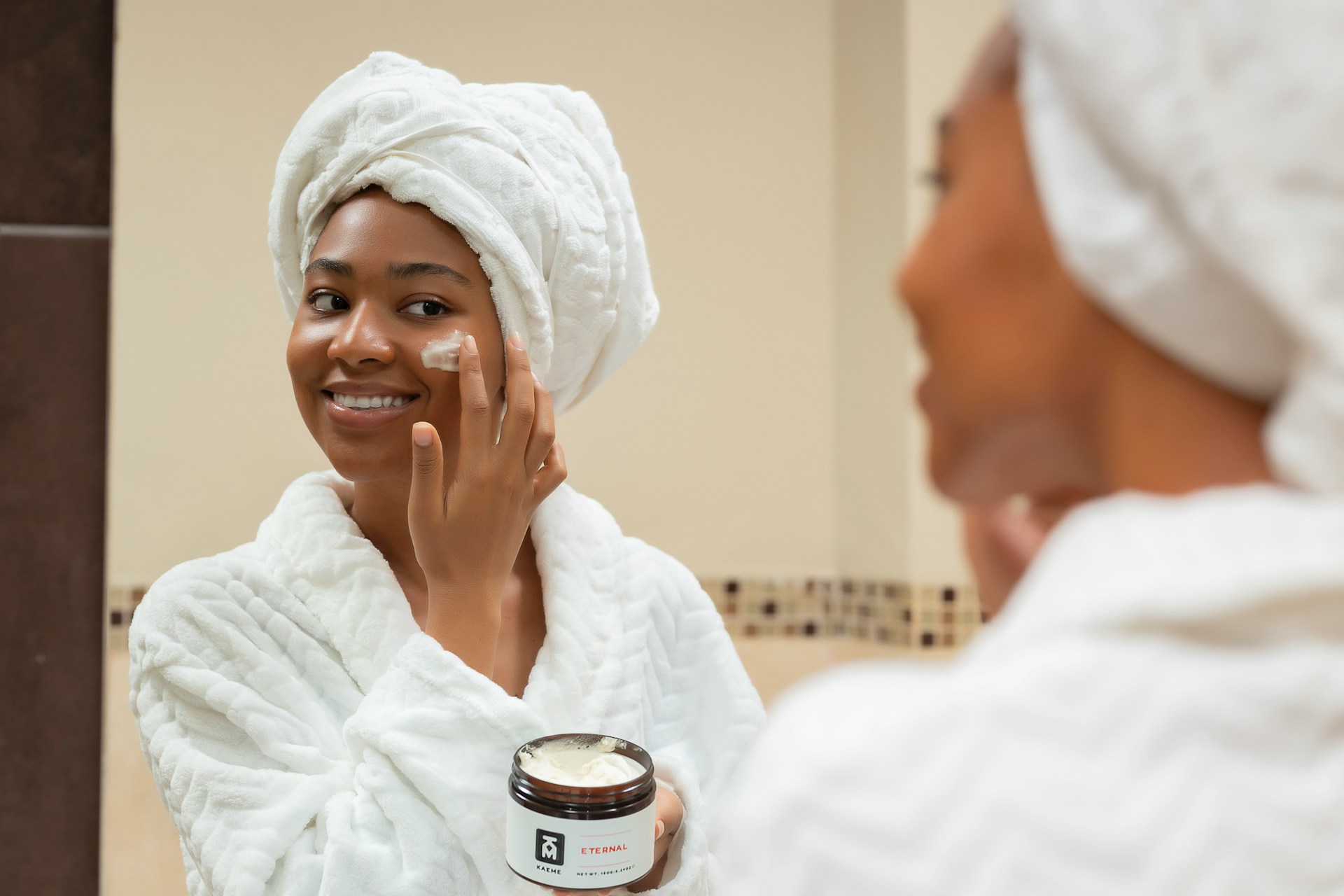
Why Exfoliation Matters
Our skin is always refreshing itself. New skin cells grow deep down and slowly move up to the surface. As they do, the old, dead cells on top are supposed to fall off naturally. But this process doesn’t always work perfectly. Things like age, your environment, and your skin type can slow it down, causing dead cells to pile up.
When these cells build up, they can cause a few problems:
- Your complexion might look dull and lifeless.
- Pores can get clogged, which might lead to breakouts.
- Your skin texture can feel rough or uneven.
- You might get dry, flaky patches.
So, what does exfoliation mean? It’s just the process of removing those dead skin cells from the surface, stopping them from gathering and causing trouble.
Types of Exfoliation Explained
When you hear “exfoliation,” you might think of a grainy scrub. But there are actually two main types. Knowing the difference can help you pick the best exfoliation for your face and body.
Physical Exfoliation: This is when you manually scrub or rub your skin to get rid of dead cells. Here are some tools and products that do this:
- Scrubs that have tiny particles, like sugar or salt
- Dry brushes
- Washcloths or sponges
- Exfoliating mitts and gloves
Physical methods give you immediate results you can often see and feel, which makes them pretty satisfying to use.
Chemical Exfoliation: This method uses gentle acids or enzymes to break down the connections holding dead skin cells together, letting them shed. Common chemical exfoliants include Alpha-Hydroxy Acids (AHAs) like glycolic and lactic acid, and Beta-Hydroxy Acids (BHAs) like salicylic acid. You’ll find these in cleansers, toners, serums, and peels.
The Deep Clean You Need
While cleansers wash away daily dirt and oil, they don’t always get rid of that stubborn layer of dead skin that can build up over time. This is where a more focused approach gives you that truly deep-clean feeling. Physical exfoliation, especially, can give you instant results by physically lifting away dullness. Using tools like exfoliating gloves in the shower lets you apply even pressure and polish your skin from head to toe. These tools have a unique texture designed to grab and slough off dead skin better than a simple loofah or body wash, making your skin visibly smoother right away.
Achieving That Radiant Glow
The good things about exfoliation go beyond just removing dead skin. When you clear away that top layer of buildup, you’re doing two awesome things. First, you’re showing off the newer, healthier, and more radiant skin cells underneath. This is what gives you that immediate “glow” everyone wants. Second, you’re making it easier for your other skincare products to work better. With those dead cells gone, your moisturizers, lotions, and serums can sink in deeper and be absorbed more effectively. This means you get more out of the products you already use, leading to softer, more hydrated skin.
Integrating Into Your Routine
Adding exfoliation to your routine is easy, but it’s important to do it right so you don’t irritate your skin. The main thing is to start slow and pay attention to what your skin tells you. Most dermatologists suggest you can safely exfoliate at home about once or twice a week.
Here are a few tips to get started:
- Exfoliate on damp skin: For your body, the best time is during a warm shower or bath when your skin is soft.
- Be gentle: Use light, circular motions. You don’t need to scrub hard to see results. Let the tool or product do the work.
- Moisturize afterward: Always put on a good moisturizer or body lotion right after exfoliating to hydrate and protect your newly revealed skin.
- Listen to your skin: If your skin gets red or irritated, you might be exfoliating too often or too roughly. Cut back and let your skin recover.
With just a few minutes a week, you can buff your way to smoother, brighter, and healthier-looking skin.
Check out our Beauty videos below!


Meg is an author at Cinnamon Hollow. She writes on a variety of topics sharing tips and ideas for daily life.