Key Types of Eco-Friendly HVAC Solutions for Modern Homes
As homeowners in Maryland, we understand the critical role our HVAC systems play in maintaining comfort, especially with our hot, humid summers and chilly winters. Upgrading to eco-friendly HVAC solutions isn’t just about reducing your carbon footprint; it’s about investing in sustainable cooling and heating that offers superior performance, enhanced indoor air quality, and significant long-term savings. When considering an upgrade, key factors like SEER2 ratings, proper system sizing, and the adoption of advanced technologies like heat pumps become paramount.
The Seasonal Energy Efficiency Ratio 2 (SEER2) is a crucial metric, representing the cooling output of an air conditioner over a typical cooling season divided by the total electric energy input during the same period. Higher SEER2 ratings indicate greater energy efficiency, translating directly into lower electricity bills. As of January 2023, new federal regulations mandate increased SEER2 minimums, pushing manufacturers to innovate and offer even more efficient units. For Maryland homeowners, choosing a system with a high SEER2 rating is particularly beneficial, as our AC units often run for extended periods to combat the intense summer humidity.
Equally important is proper system sizing. An HVAC system that is too large will cycle on and off frequently, leading to inefficient operation, uneven temperatures, and inadequate dehumidification—a common culprit for condensate issues. Conversely, an undersized system will struggle to cool your home, running constantly without achieving desired comfort levels. A professional HVAC assessment ensures your new eco-friendly system is perfectly matched to your home’s unique specifications, including square footage, insulation, window efficiency, and local climate demands.
Heat pumps represent a cornerstone of eco-friendly HVAC. Unlike traditional furnaces and air conditioners that generate heat or cold, heat pumps simply move heat from one place to another. In summer, they extract heat from inside your home and transfer it outside; in winter, they reverse the process, drawing heat from the outdoor air (even in cold temperatures) and moving it indoors. This heat transfer mechanism is significantly more energy-efficient than generating heat through combustion or electric resistance, making heat pumps an ideal sustainable solution for both heating and cooling in Maryland.
Geothermal Heat Pumps and Dual-Fuel Systems
For those seeking the pinnacle of energy efficiency and environmental responsibility, geothermal heat pumps stand out. These systems leverage the stable temperature of the earth through ground-source loops, which are buried underground. A fluid circulating through these loops absorbs heat from the earth in winter and dissipates heat into the earth in summer. Because the earth’s temperature remains relatively constant year-round, geothermal systems operate with exceptional efficiency, typically 300-600% more efficient than traditional HVAC units. This translates to substantial carbon reduction, as they require minimal electricity to move a large amount of thermal energy. While the initial installation cost for ground-source loops can be higher, the long-term energy savings and environmental benefits often provide a compelling return on investment, especially when considering available incentives.
Another highly efficient option for Maryland homes is a dual-fuel system. These systems combine an electric heat pump with a high-efficiency gas furnace. The heat pump serves as the primary heating and cooling source, operating most efficiently during moderate temperatures. However, when outdoor temperatures drop significantly—typically below freezing, where the heat pump’s efficiency might decrease—the system automatically switches to the gas furnace to provide auxiliary heat. This intelligent integration ensures optimal comfort and efficiency year-round. Dual-fuel systems offer the best of both worlds: the low operating costs and environmental benefits of a heat pump for most of the year, combined with the powerful, reliable heating of a gas furnace during the coldest Maryland days. This strategic use of different energy sources significantly reduces overall energy consumption and carbon emissions compared to single-fuel systems.
Integrating Smart Thermostats into Eco-Friendly HVAC Solutions
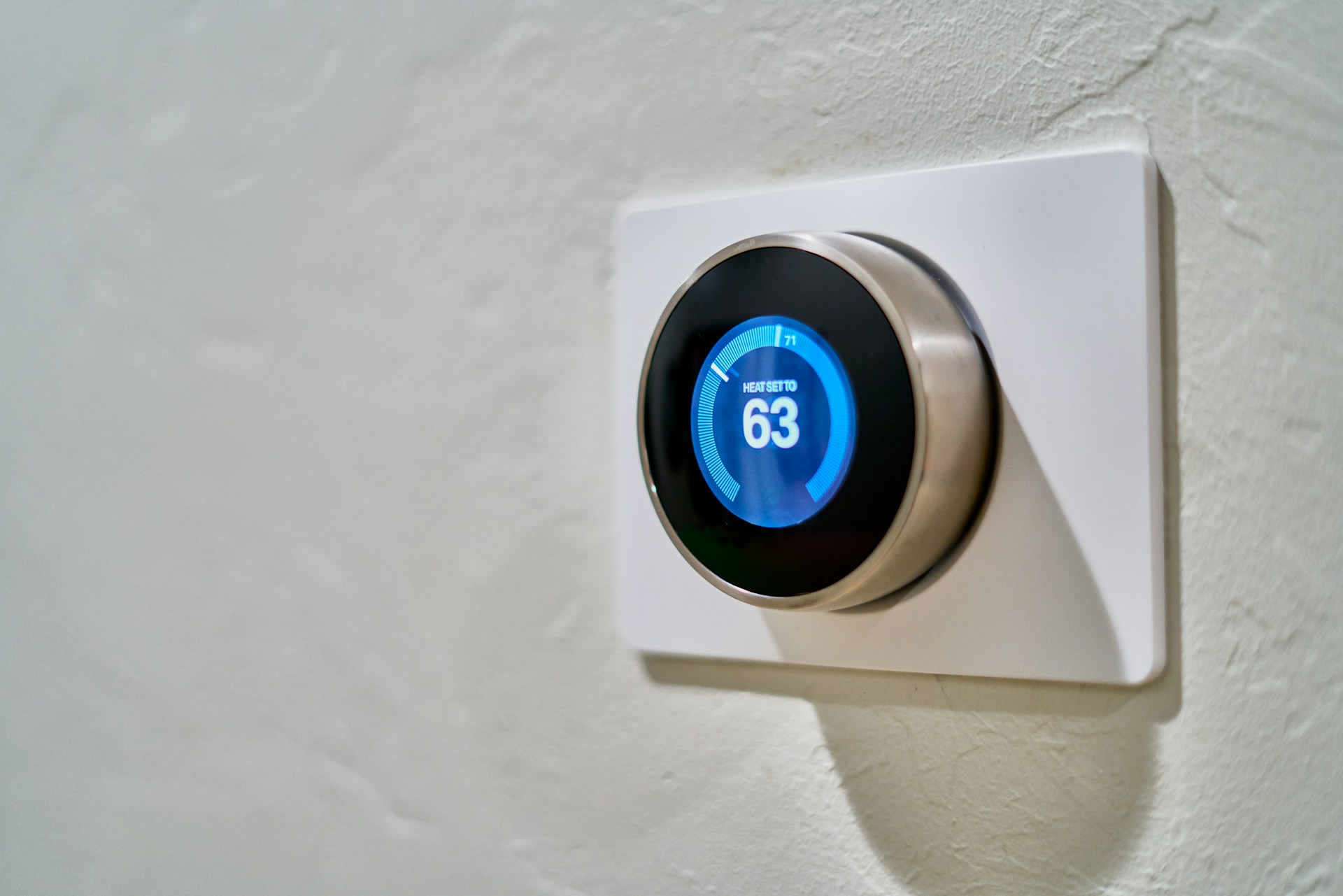
The true power of eco-friendly HVAC solutions is often unlocked through the integration of smart thermostats. These advanced devices go far beyond simple temperature control, offering sophisticated features that optimize system performance, enhance comfort, and maximize energy savings. For Maryland homeowners, where managing both temperature and humidity is crucial, smart thermostats become an indispensable tool.
One of the most valuable features is zoning controls. Instead of heating or cooling your entire home uniformly, zoning systems, managed by smart thermostats, allow you to divide your home into distinct areas, or “zones,” each with its own temperature settings. This means you can keep bedrooms cooler at night while maintaining a warmer living area, or only condition occupied spaces during the day. This targeted approach significantly reduces energy waste by avoiding conditioning unused areas, leading to more efficient operation and lower utility bills.
Humidity sensors are another critical component, particularly in Maryland’s often-sultry climate. Many smart thermostats are equipped with these sensors, allowing them to monitor indoor humidity levels and communicate with your HVAC system to initiate dehumidification cycles when necessary. This proactive moisture management not only improves comfort but also plays a vital role in preventing the excessive condensate production that can lead to AC leaks and potential mold growth.
Smart thermostats also excel at implementing scheduled setback programs. You can easily program your thermostat to adjust temperatures automatically based on your daily schedule—raising the temperature when you’re away at work or lowering it when you’re asleep. Modern smart thermostats take this a step further with “smart algorithms” that learn your preferences and home’s energy patterns over time. They can anticipate when to start cooling or heating to reach your desired temperature precisely when you need it, taking into account factors like outdoor weather, home insulation, and even local energy prices. Some can even integrate with weather forecasts to pre-cool or pre-heat your home during off-peak energy hours, further reducing costs and environmental impact. This level of intelligent control ensures your eco-friendly HVAC system operates at peak efficiency, preventing energy waste and contributing to a truly sustainable home environment.
Mitigating Moisture and Condensate Risks in Sustainable Cooling
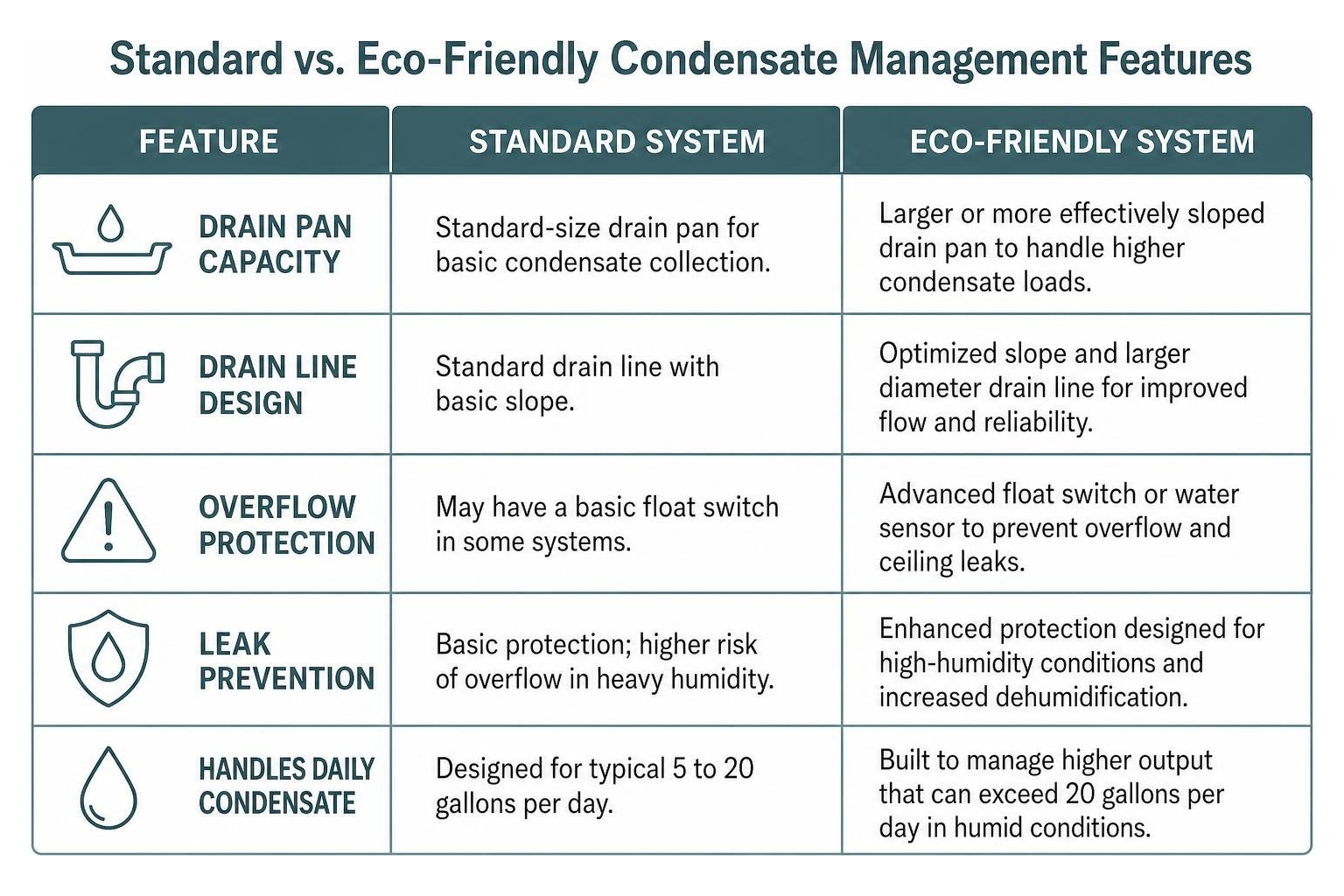
Maryland’s climate presents a unique challenge for HVAC systems, particularly during our long, humid summers. The high humidity means that air conditioners work extra hard to not only cool the air but also to remove a significant amount of moisture from it. This process, known as dehumidification, results in substantial condensate production. While a typical residential AC system can produce 5 to 20 gallons of condensate per day in humid conditions, an eco-friendly system, designed for higher efficiency, can sometimes produce even more due to its superior moisture removal capabilities. When this condensate isn’t managed effectively, it can lead to frustrating and potentially damaging water leaks, often manifesting as a drip from your ceiling.
Water damage from AC leaks is a serious concern for homeowners. Every year, roughly 1 in 60 insured homes file a claim for water damage, and nearly a quarter of all homeowners’ insurance claims involve water-related issues. Beyond the immediate mess, persistent moisture can lead to structural damage, ruined insulation, and, most alarmingly, mold growth, which can begin within 24 to 48 hours of water exposure. This underscores the importance of robust condensate management in any HVAC system, especially in a humid environment like Maryland.
eco-friendly hvac operations, while highly efficient, must incorporate advanced features to handle this increased condensate load. This includes not only larger or more effectively sloped drain pans but also sophisticated safety mechanisms designed to prevent overflow. Understanding these components is key to preventing those dreaded ceiling leaks.
Modern Refrigerants in Eco-Friendly HVAC Solutions
The evolution of refrigerants is a critical aspect of eco-friendly HVAC solutions, reflecting a global commitment to reducing environmental impact. Historically, refrigerants like R-22 (Freon) were widely used but were found to deplete the ozone layer. Subsequent generations, while better for ozone, often had a high Global Warming Potential (GWP), contributing to climate change. August 2026 marks a significant period in this transition, as the HVAC industry continues to shift towards refrigerants with much lower GWP values.
One such modern refrigerant is R-454B, often marketed under brand names like Puron Advance or Opteon XL41. This refrigerant is gaining prominence as a preferred alternative, particularly for new residential and light commercial air conditioning and heat pump systems. R-454B boasts a significantly lower GWP reduction compared to its predecessors, such as R-410A, which has been the industry standard for many years. This reduction is crucial for minimizing the climate impact of refrigerants if they were to escape into the atmosphere.
Beyond GWP, modern refrigerants like R-454B are also designed with ozone safety in mind, ensuring they do not contribute to the depletion of the Earth’s protective ozone layer. Furthermore, these refrigerants are often optimized for enhanced compressor efficiency. This means that the compressor, the “heart” of your AC system, can operate more effectively, requiring less energy to move heat. This improved efficiency not only contributes to lower energy bills but also reduces the overall carbon footprint of your HVAC system. The adoption of these advanced, environmentally responsible refrigerants will be a cornerstone of truly sustainable cooling and heating.
Preventing Ceiling Leaks from High-Humidity Condensate Buildup
One of the most common and frustrating issues homeowners face, especially in humid climates like Maryland, is an AC unit leaking water from the ceiling. This problem almost invariably stems from issues with the condensate management system. Fortunately, eco-friendly HVAC systems often incorporate enhanced features designed specifically to prevent these occurrences.
The primary defense against condensate leaks is the AC drain pan, located beneath the evaporator coil. As humid air passes over the cold coil, moisture condenses and drips into this pan. From there, it should flow through a drain line, typically a PVC pipe, and exit your home, often near the foundation or into a dedicated drain. However, several issues can disrupt this process.
The most frequent culprit is a clogged drain line. Over time, algae, mold, and sludge can accumulate inside the drain pipe, creating a blockage. When the line is clogged, condensate has nowhere to go, causing the primary drain pan to overflow. Many modern eco-friendly systems are equipped with an overflow drain pan, also known as a secondary drain pan, positioned directly beneath the primary one as a backup. This secondary pan is designed to catch any overflow, preventing water from dripping onto your ceiling.
Crucially, many high-efficiency units also integrate safety switches, often called float switches. These devices are installed in either the primary or secondary drain pan, or directly in the condensate line. When water levels in the pan rise above a certain point due to a clog or other issue, the float switch is activated. This immediately shuts off the AC unit, preventing further condensate production and averting a catastrophic ceiling leak. While this means your AC will stop cooling, it acts as a vital early warning system, prompting you to address the underlying issue before significant water damage occurs.
Attic installations are particularly vulnerable to leaks, as any overflow goes directly into the ceiling below. For these setups, robust overflow drain pans and properly functioning safety switches are non-negotiable. Regular maintenance, including flushing the condensate line, is essential to prevent blockages and ensure these safety mechanisms never have to be tested by a real leak. Proactive care not only protects your home from water damage but also plays a significant role in mold prevention, as standing water and high humidity create ideal conditions for fungal growth. By understanding and maintaining these critical components, Maryland homeowners can significantly reduce the risk of AC-related ceiling leaks.
Economic and Environmental Benefits of High-Efficiency Upgrades
Upgrading to a high-efficiency, eco-friendly HVAC system in your Maryland home offers a compelling blend of economic and environmental advantages that extend far beyond initial installation costs. The financial savings alone can be substantial, while the reduced ecological footprint contributes to a healthier planet.
One of the most immediate and tangible benefits is significant energy savings. High-efficiency systems, characterized by high SEER2 ratings for cooling and HSPF2 ratings for heating (for heat pumps), consume considerably less electricity or fuel to achieve the same level of comfort as older, less efficient models. For many homeowners, this translates to a 15-30% reduction in utility bills annually, depending on the age and efficiency of their previous system and their usage patterns. Over the lifespan of the unit, these savings can amount to thousands of dollars, effectively offsetting a portion of the initial investment.
Beyond direct energy savings, numerous financial incentives are often available to encourage homeowners to make green HVAC upgrades. These can include:
- Utility Rebates: Many local utility companies in Maryland offer rebates for installing ENERGY STAR® certified HVAC equipment, including high-efficiency air conditioners, heat pumps, and smart thermostats. These rebates can significantly reduce the upfront cost.
- Federal Tax Credits: The federal government frequently offers tax credits for certain energy-efficient home improvements, including qualifying HVAC systems. These credits can be a direct reduction in the amount of tax you owe, making upgrades more affordable.
- State and Local Programs: Maryland and various counties may offer their own incentive programs, grants, or low-interest loans for energy-efficient upgrades, further sweetening the deal.
- Increased Home Value: A modern, energy-efficient HVAC system can be a significant selling point, increasing your home’s market value and appeal to environmentally conscious buyers.
- Reduced Lifecycle Costs: While the initial purchase price of an eco-friendly system might be higher, its lower operating costs, reduced maintenance needs (due to advanced design and fewer breakdowns), and longer lifespan often result in a lower total cost of ownership over the system’s entire lifecycle.
From an environmental perspective, the benefits are equally impactful. By consuming less energy, high-efficiency HVAC systems reduce your home’s reliance on fossil fuels, lowering your carbon footprint and contributing to cleaner air. This commitment to sustainability aligns with broader efforts to combat climate change and preserve natural resources. Investing in these upgrades is not just a smart financial decision; it’s a responsible choice for both your household and the planet.
Frequently Asked Questions About HVAC Upgrades
When considering an HVAC upgrade, especially to an eco-friendly system, many questions arise. Here, we address some of the most common concerns, focusing on issues relevant to Maryland homeowners and the benefits of modern, high-efficiency solutions.
What causes an AC ceiling leak in humid regions like Maryland?
In Maryland’s humid climate, several factors commonly contribute to an AC unit leaking water from the ceiling. The most prevalent cause is a clogged condensate line. As your AC dehumidifies the air, it produces a significant amount of water (condensate). This water collects in a drain pan and flows out through a PVC pipe. Over time, algae, mold, and debris can build up in this line, creating a blockage. When the line is blocked, the water backs up, overflows the primary drain pan, and eventually drips through your ceiling, especially if the unit is located in the attic.
Another major factor, particularly in our region, is high humidity combined with an overworked or improperly sized system. While the AC is designed to remove moisture, extreme humidity can overwhelm older or inefficient units, leading to excessive condensate production that the drain system struggles to handle.
Frozen evaporator coils can also cause leaks. This often happens due to restricted airflow (e.g., dirty air filter, blocked vents) or low refrigerant levels. When the coil freezes, ice builds up. When the AC eventually cycles off, this ice melts rapidly, producing a sudden surge of water that can overwhelm the drain pan and line, leading to an overflow.
Finally, a cracked drain pan can be a direct cause. Drain pans are typically made of plastic or metal and can develop cracks over time due to age, extreme temperature fluctuations, or physical damage, allowing water to escape directly onto your ceiling. Regular maintenance checks can often identify and address these issues before they become major leaks.
How do eco-friendly HVAC systems handle extreme humidity?
Eco-friendly HVAC systems are specifically designed with advanced features to effectively manage extreme humidity, a critical capability for Maryland homes. Unlike older, single-speed units that simply blast cold air, modern high-efficiency systems, particularly heat pumps, employ sophisticated technologies:
- Variable-Speed Compressors: Many eco-friendly systems feature variable-speed or multi-stage compressors. These compressors can operate at different capacities, rather than just “on” or “off.” During periods of high humidity but moderate temperatures, the system can run at a lower, continuous speed for longer cycles. This extended run time allows the evaporator coil more opportunity to extract moisture from the air without overcooling the space, providing superior continuous dehumidification.
- Low Power Draw: Operating at lower speeds, these systems consume significantly less energy, making them highly efficient even during prolonged dehumidification cycles. This low power draw means you can maintain comfortable humidity levels without incurring exorbitant utility costs.
- Active Moisture Monitoring: Integrated smart thermostats with humidity sensors, as discussed earlier, enable active moisture monitoring. This allows the system to respond dynamically to indoor humidity levels, initiating dehumidification cycles precisely when needed.
- Dedicated Dehumidification Modes: Some advanced systems offer specific dehumidification modes that prioritize moisture removal over temperature reduction, further enhancing their ability to tackle even the most oppressive Maryland humidity.
By intelligently controlling both temperature and humidity, eco-friendly HVAC systems not only prevent the discomfort and potential issues associated with excessive moisture but also operate with greater efficiency and precision, ensuring a healthier and more comfortable indoor environment.
How much can high-efficiency HVAC upgrades save on annual energy bills?
The potential savings from high-efficiency HVAC upgrades on annual energy bills in Maryland can be quite substantial, typically ranging from 15% to 30%, or even more, compared to older, less efficient systems. The exact amount of savings depends on several factors:
- Age and Efficiency of Your Current System: Replacing an old, low-SEER unit (e.g., 8-10 SEER) with a modern high-efficiency system (e.g., 18-20+ SEER2) will yield much greater savings than upgrading from a moderately efficient system.
- SEER2 Efficiency Impact: The higher the Seasonal Energy Efficiency Ratio 2 (SEER2) of your new cooling system, or the higher the Heating Seasonal Performance Factor 2 (HSPF2) for a heat pump, the more energy-efficient it is, and thus, the greater your savings will be. Each point increase in SEER2 generally translates to a measurable reduction in electricity consumption.
- Home Insulation and Air Sealing: While the HVAC system is key, the overall energy efficiency of your home plays a significant role. A well-insulated and air-sealed home will maximize the savings from a high-efficiency unit, as less conditioned air escapes.
- Thermostat Usage and Habits: How you use your thermostat, including setting schedules and utilizing smart features, directly impacts energy consumption. Smart thermostats, when properly utilized, can enhance savings.
- Maryland Climate: Given Maryland’s hot, humid summers and cold winters, our HVAC systems work hard year-round. This means there’s ample opportunity for a high-efficiency system to demonstrate its savings potential over many operating hours.
- Maintenance Requirements: While not directly a bill saving, proper and regular maintenance ensures your high-efficiency system operates at peak performance, preserving its efficiency and preventing costly breakdowns that could negate savings.
To get a more precise estimate for your specific home, we recommend consulting with an HVAC professional who can assess your current system, analyze your energy usage, and provide a detailed projection of potential savings based on an upgrade.
Conclusion
The journey towards sustainable comfort in your Maryland home begins with understanding the critical role of your HVAC system, especially in preventing issues like AC leaks from the ceiling. As we’ve explored, Maryland’s humid climate places unique demands on air conditioning units, making robust condensate management and efficient operation paramount. Upgrading to eco-friendly HVAC solutions, such as high-SEER2 heat pumps and geothermal systems, coupled with smart thermostat technology, offers a powerful strategy. These modern systems not only drastically reduce your energy consumption and carbon footprint but also incorporate advanced features to mitigate moisture risks, ensuring a dry, healthy, and comfortable living environment.
Investing in these upgrades is an investment in your home’s future, promising significant energy savings, enhanced indoor air quality, and the peace of mind that comes with a reliable, leak-free system. However, the benefits of these sophisticated systems are fully realized through proactive care. Regular, annual maintenance is not merely a recommendation; it’s essential for ensuring system longevity, preserving efficiency, and preventing common issues like clogged condensate lines. A professional tune-up can identify potential problems before they escalate, ensuring your system continues to run smoothly and sustainably for years to come. By embracing sustainable comfort and proactive care, Maryland homeowners can enjoy optimal indoor conditions while contributing to a greener future.