Key Takeaways
- Understanding the fundamentals of a personal injury claim is crucial to protect your rights and potential compensation.
- Key elements determine whether your case is valid, including negligence, causation, and actual damages.
- Timeliness and quality of evidence are vital for the success of your case.
- Seeking legal advice early can strengthen your position and help clarify the strength of your claim.
Table of Contents
- What Is a Personal Injury Claim?
- Criteria for a Valid Personal Injury Claim
- Common Types of Personal Injury Cases
- Evidence and Documentation
- Steps to Take If You Think You Have a Claim
- When to Contact an Attorney
- Conclusion
What Is a Personal Injury Claim?
A personal injury claim is a legal process pursued by individuals who have suffered harm, either physically or emotionally, due to the negligent or intentional acts of another. These claims are designed to compensate victims for medical expenses, lost wages, and other damages resulting from the incident. Understanding whether your situation qualifies is the crucial first step. If you believe you have been injured due to someone else’s actions in New Jersey, a New Jersey personal injury law firm can provide a valuable case evaluation and guide you through the process.
Not every accident or incident automatically translates into a valid personal injury case. There must be a clear connection between the responsible party’s actions and the harm suffered. In many cases, failing to act, such as not fixing a hazard, may be just as damaging as active wrongdoing.
It’s also important to remember that state laws and deadlines, known as statutes of limitations, can affect your ability to seek legal recourse. As these deadlines can vary, gathering timely legal advice ensures you do not lose valuable rights to compensation. Besides, initial consultations with reputable law firms are often free, giving you risk-free advice.
Documentation, prompt reporting, and medical attention all play crucial roles in establishing a strong foundation should you decide to move forward with a claim. Keeping a thorough record makes it much easier to clarify what happened and why you deserve to be compensated.
Personal injury claims generally hinge on four main elements:
- Duty of Care: The person or party responsible for your injury owed you a duty of care. For example, drivers have a legal responsibility to follow road rules and prevent harm to others.
- Breach of Duty: The responsible party acted carelessly, recklessly, or in violation of the law. This breach could be running a stop sign, failing to clean up a spill in a store, or neglecting safety measures at a workplace.
- Causation: There must be a direct link between the breach of duty and your injury. If your injuries were unrelated to the incident or pre-existing, proving causation can be more difficult.
- Damages: Actual harm, such as medical bills, lost wages, pain and suffering, or emotional distress, must have occurred for a claim to be valid.
If any of these elements are missing, your claim may not succeed. Reviewing your situation with a legal professional can help clarify whether your case meets these standards. For further reading on negligence and personal injury law, consult resources from Nolo, a leading legal publication.
Common Types of Personal Injury Cases
Personal injury law is broad, covering a wide range of scenarios. The most common types of valid personal injury claims include:
- Car, truck, and motorcycle accidents
- Slip and fall cases on private or public property
- Medical malpractice
- Defective product injuries
- Workplace accidents
- Dog bites or animal attacks
- Assault or battery claims
Each category comes with its own standards for proving liability and damages. Certain cases, such as medical malpractice or product liability, may require additional expert testimony and specialized evidence. Consulting a trustworthy source like the American Bar Association can offer more perspective on each case type.
Evidence and Documentation
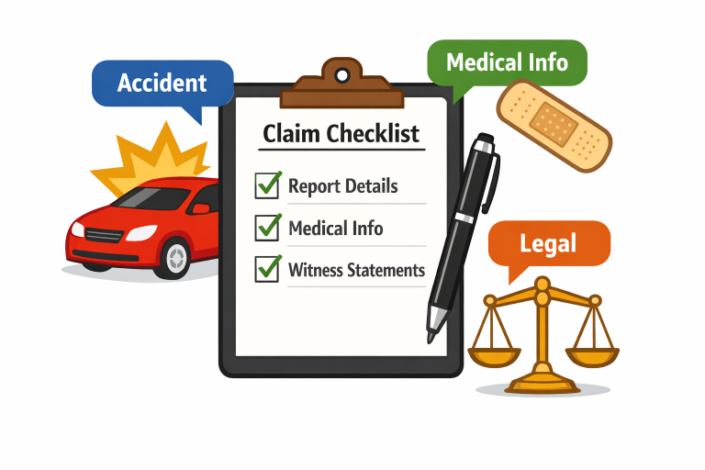
The success of any personal injury claim relies heavily on evidence. Essential pieces of documentation include police or incident reports, photographs or videos from the scene, medical records, witness statements, and proof of related financial losses. The more evidence you have, the stronger your case. It is important to gather this information as soon as possible before memories fade and documents become harder to retrieve.
Steps to Take If You Think You Have a Claim
If you suspect that you have a valid personal injury claim, certain steps will help protect your interests:
- Seek immediate medical treatment and follow all instructions from healthcare providers.
- Report the incident to the relevant authorities or property managers.
- Document everything: take photographs, keep receipts and paperwork, and record your recollection of events while they are fresh.
- Do not provide recorded statements to insurance companies before consulting with an attorney.
- Contact a personal injury lawyer with experience in cases similar to yours for an official case review.
When to Contact an Attorney
Not every situation requires a lawyer. However, when significant injuries, questions of fault, insurance company disputes, or complex legal issues exist, seeking legal counsel is strongly advised. An attorney can help you navigate deadlines, avoid costly mistakes, and maximize compensation. Many law firms, including those with expertise in your jurisdiction, offer free consultations and work on a contingency fee basis, so you do not pay unless you win your case.
Conclusion
Recognizing whether you have a valid personal injury claim is the foundation for seeking justice and compensation for your injuries. By understanding core legal principles, documenting your case, and consulting knowledgeable legal counsel when necessary, you significantly improve your chances for a successful outcome. Early action and reliable resources make all the difference when it comes to protecting your rights and your future after an injury.
Proving negligence in a personal injury claim involves demonstrating that a party failed in their duty of care, leading directly to the victim’s harm. This process becomes notably more complex when dealing with commercial vehicles, as liability may extend beyond the driver to the trucking company or even maintenance providers. Navigating the specific regulations and high stakes involved requires significant attention to detail. Consulting with a qualified Fort Worth Truck Accident Attorney ensures that all relevant evidence, from electronic logs to inspection reports, is meticulously examined. By identifying every responsible entity and understanding the nuances of insurance coverage, individuals can better advocate for a fair resolution that accounts for the full extent of their recovery needs.
We are not lawyers and this is in no way intended to be used as legal advice . We cannot be held responsible for your results. Always do your own research and seek professional legal help.