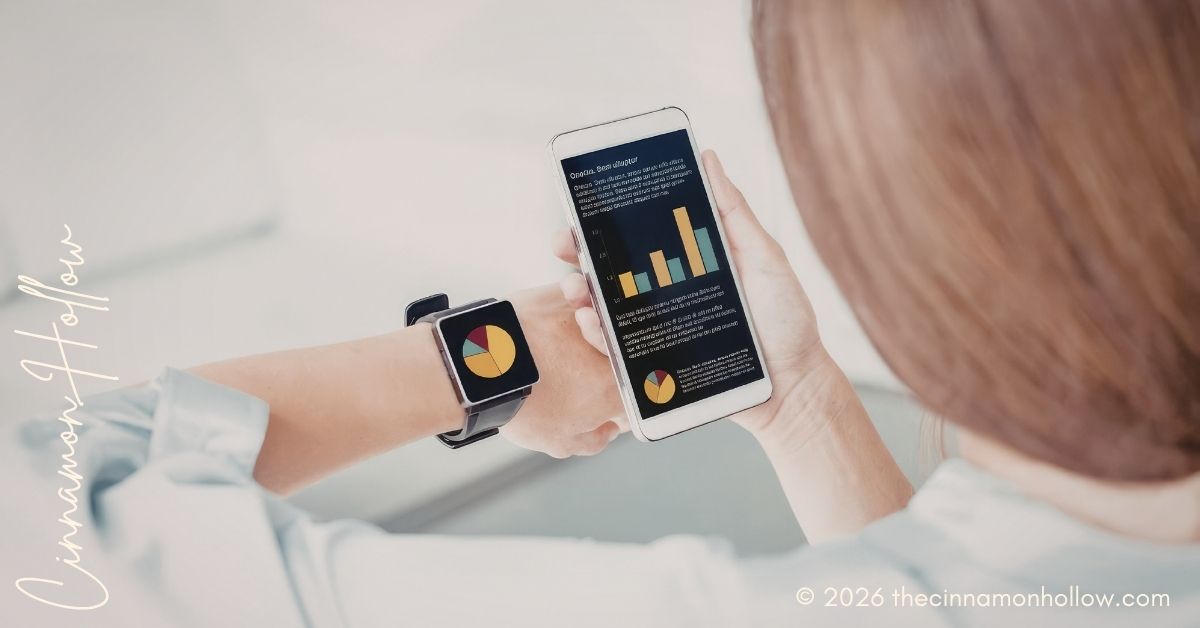
Healthcare is undergoing a quiet but powerful transformation. Not long ago, health monitoring was something that mostly happened inside clinics, hospitals, or during scheduled checkups. Today, that boundary is fading. With the rise of wearable devices like smartwatches, fitness bands, biosensors, and even smart clothing, people can now track their health continuously—every hour of every day.
This shift is not just about convenience. It is fundamentally changing how patients, physicians, and healthcare systems understand health, detect risks, and manage long-term conditions. Wearable technology is turning reactive medicine into proactive care.
In this article, we will explore how wearable devices are reshaping health monitoring, why they matter for both patients and providers, and how healthcare platforms like CureMD are helping integrate this data into modern clinical workflows.
The Rise of Wearable Health Technology
Wearable devices have evolved rapidly over the last decade. Early fitness trackers simply counted steps. Today’s devices can measure:
- Heart rate and heart rate variability
- Blood oxygen (SpO2)
- Sleep quality and cycles
- Body temperature trends
- ECG (electrocardiogram) readings
- Physical activity intensity
- Stress indicators
Advanced wearables even detect irregular heart rhythms, potential atrial fibrillation episodes, and early signs of respiratory issues.
This continuous stream of data is what makes wearables revolutionary. Instead of relying on a snapshot taken during a doctor’s visit, healthcare providers can now observe trends over time.
From Occasional Checkups to Continuous Monitoring
Traditional healthcare operates on episodic care. A patient visits a clinic, gets tested, receives a diagnosis or treatment, and returns home. But many health conditions—such as hypertension, diabetes, and cardiovascular disease—don’t behave episodically. They evolve continuously.
Wearable devices bridge this gap.
For example:
- A patient with hypertension can track blood pressure fluctuations throughout the day.
- A diabetic patient can monitor activity levels that affect glucose metabolism.
- A cardiac patient can detect irregular heart rhythms in real time.
This continuous monitoring enables earlier intervention, reducing complications and hospital admissions.
Early Detection and Preventive Care
One of the most powerful benefits of wearable devices is early detection. Instead of waiting for symptoms to worsen, clinicians can identify warning signs earlier.
For instance:
- A sudden change in resting heart rate might indicate infection or stress.
- Reduced oxygen saturation could signal respiratory issues.
- Irregular sleep patterns may be linked to mental health conditions.
These subtle changes often go unnoticed in traditional care models but become visible through wearable data trends.
Preventive healthcare is becoming more accurate, personalized, and data-driven.
Empowering Patients Through Self-Awareness
Wearables are not just tools for doctors—they are also empowering patients.
When people can see their own health data in real time, they become more engaged in their wellness journey. This leads to:
- Improved lifestyle choices
- Better medication adherence
- Increased physical activity
- Greater awareness of risk factors
For example, someone who sees their heart rate spike during stress may adopt breathing exercises or mindfulness techniques. A person tracking sleep patterns may improve their bedtime routine.
This shift from passive patient to active participant is one of the biggest cultural changes in healthcare today.
Challenges: Data Overload and Clinical Integration
Despite their benefits, wearable devices also introduce challenges. The biggest one is data overload.
Wearables generate massive amounts of continuous data. Without proper systems, this data can overwhelm healthcare providers rather than help them.
Key challenges include:
- Filtering meaningful signals from noise
- Integrating data into Electronic Health Records (EHRs)
- Ensuring data accuracy and reliability
- Maintaining patient privacy and compliance
This is where healthcare technology platforms play a critical role.
Role of EHR Systems in Wearable Integration
For wearable data to be clinically useful, it must be integrated into structured healthcare systems. This is where modern EHR platforms become essential.
Clinicians need systems that can:
- Aggregate wearable data into patient records
- Highlight abnormal trends
- Generate alerts for critical conditions
- Support clinical decision-making
Healthcare providers increasingly look for systems that simplify this integration rather than complicate workflows.
When evaluating platforms, many practices consider factors such as usability, cost, and scalability. This is why search terms like Best EHR for Private Practice, Best emr for small practice, and affordable ehr for small practice are commonly associated with decision-making in modern clinics.
However, the real value is not just affordability—it is how well the system connects modern data sources like wearables with everyday clinical workflows.
How CureMD Supports Modern Digital Healthcare
Modern healthcare demands more than just record-keeping. It requires intelligent systems that unify clinical data, patient interactions, and digital health inputs.
CureMD is designed with this evolution in mind. It supports healthcare providers by offering integrated solutions for electronic health records, practice management, and patient engagement.
In a world where wearable devices generate continuous streams of patient data, platforms like CureMD help clinicians:
- Organize and interpret incoming health data
- Improve care coordination across teams
- Enhance decision-making with real-time insights
- Streamline administrative and clinical workflows
This integration is especially valuable for small and private practices that need efficient, scalable solutions without unnecessary complexity.
Wearables in Chronic Disease Management
Chronic diseases account for a large portion of global healthcare costs. Wearable devices are becoming a powerful tool in managing these conditions.
Diabetes
Continuous activity and sleep tracking help patients understand how lifestyle impacts glucose control.
Cardiovascular Diseases
Heart rate variability and ECG monitoring can detect early warning signs of cardiac events.
Respiratory Conditions
SpO2 tracking helps identify breathing irregularities in conditions like asthma or COPD.
Mental Health
Stress and sleep tracking provide insights into anxiety and depression patterns.
By combining wearable data with clinical insights, physicians can personalize treatment plans more effectively.
The Future of Wearable-Driven Healthcare
The future of healthcare will likely be deeply connected to wearable technology. We are moving toward a model where:
- Hospitals focus on acute care and emergencies
- Continuous monitoring happens outside clinical settings
- AI systems analyze wearable data in real time
- Physicians receive predictive alerts instead of reactive reports
Artificial intelligence will play a major role in interpreting wearable data, identifying patterns that are too complex for humans to detect manually.
Over time, this will reduce hospitalizations, improve outcomes, and lower healthcare costs.
Why This Matters for Healthcare Providers
For healthcare providers, wearable technology is not just a trend—it is a shift in how care is delivered.
Clinics that adapt early will benefit from:
- Better patient engagement
- More accurate diagnostics
- Reduced readmission rates
- Improved chronic disease management
However, success depends on having the right digital infrastructure in place. Without integrated systems, wearable data remains fragmented and underutilized.
This is why modern EHR platforms and digital health tools are becoming essential rather than optional.
Conclusion
Wearable devices are transforming healthcare from a reactive system into a proactive, continuous model of care. They empower patients, enhance clinical decision-making, and enable early detection of health issues that were previously difficult to monitor in real time.
But the true value of wearables is only realized when their data is effectively integrated into clinical systems. Platforms like CureMD are helping bridge this gap by connecting wearable insights with structured medical workflows.
As healthcare continues to evolve, the combination of wearable technology and intelligent EHR systems will define the next generation of patient care—more personalized, more preventive, and more connected than ever before.
The owners and authors of Cinnamon Hollow are not doctors and this is in no way intended to be used as medical advice. We cannot be held responsible for your results. As with any product, service or supplement, use at your own risk. Always do your own research and consult with your personal physician before using.

Meg is an author at Cinnamon Hollow. She writes on a variety of topics sharing tips and ideas for daily life.