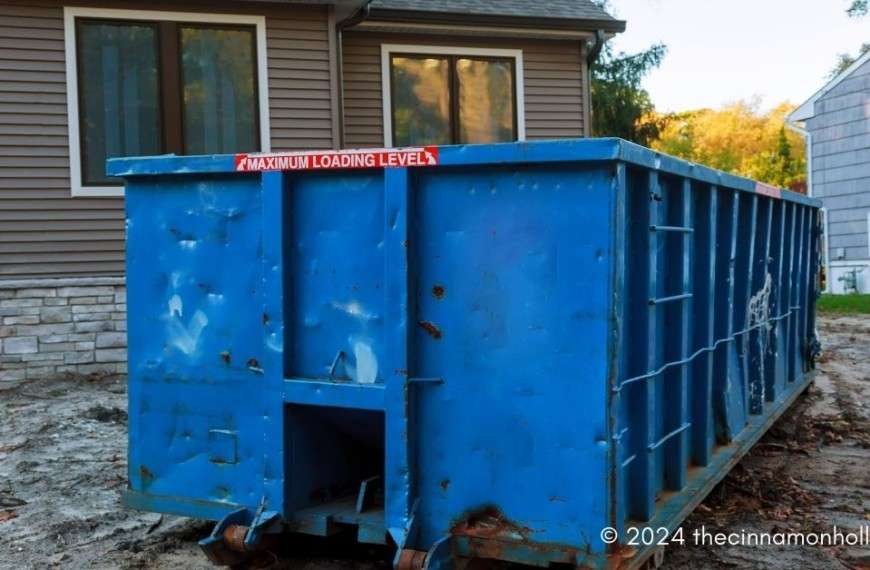
A home renovation is exciting until you realize one practical problem: where is all the furniture supposed to go? Whether you’re repainting a bedroom, replacing flooring, remodeling a kitchen, or completely transforming a living room, protecting your belongings is just as important as choosing finishes and hiring contractors.
Many homeowners focus on materials, budgets, and timelines while leaving furniture storage until the last minute. Unfortunately, that often leads to scratched tables, dusty upholstery, damaged electronics, and unnecessary stress during the project. Planning where each item will go before work begins makes the renovation smoother, safer, and far more organized.
The right solution depends on the size of the project, the available space inside the home, and how long the renovation is expected to last. Thinking through these details ahead of time can save both time and money once construction begins.

Use Rooms That Aren’t Being Renovated
If you’re only renovating one room, the simplest solution is often moving furniture into another part of the house. Guest bedrooms, dining rooms, finished basements, or even larger hallways can temporarily hold furniture while work is underway.
Before moving everything, it’s worth deciding what actually needs to stay. Renovations provide an excellent opportunity to declutter and remove items that are no longer useful. The fewer pieces that need to be moved, the easier the project becomes.
For larger items that remain inside the house, proper protection is essential. Furniture should be covered with breathable moving blankets or protective covers rather than left exposed to dust and construction debris. Homeowners looking for practical storage and organization ideas during renovations sometimes browse resources such as https://wheekeep.com/ while planning how to make temporary living arrangements more manageable. Taking time to organize belongings before work begins helps reduce confusion once it’s time to move everything back.
Planning each room in advance also prevents furniture from being moved multiple times during the renovation.
Create Temporary Storage Zones
Rather than stacking furniture randomly wherever space is available, create designated storage zones throughout the home.
One room might be used for boxed decorations, another for larger furniture, and a third for fragile belongings. Labeling boxes clearly and grouping similar items together makes unpacking significantly easier once the renovation is complete.
If possible, leave small walkways between stored items. This allows you to reach important belongings without moving dozens of boxes every time you need something.
Keeping storage organized also reduces the risk of accidental damage caused by constantly shifting furniture from place to place.
Disassemble Large Furniture Whenever Possible
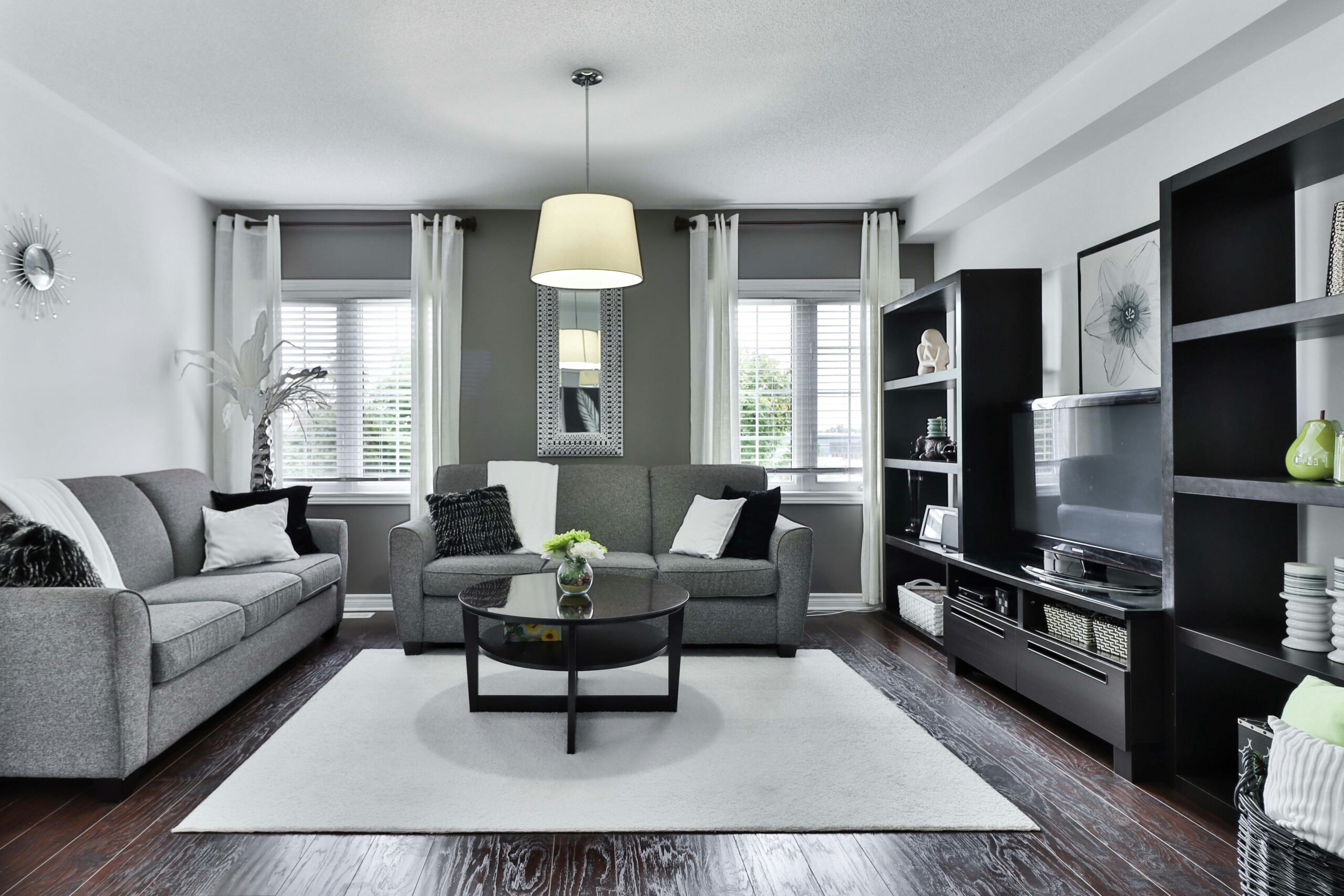
Large furniture pieces take up more space than many people realize.
Bed frames, dining tables, shelving units, and desks can often be partially disassembled, making them easier to store while reducing the likelihood of scratches or broken components during the renovation.
Small hardware such as screws, bolts, and brackets should be placed in labeled bags and securely attached to the corresponding furniture whenever possible. This simple habit prevents frustration weeks later when it’s time to reassemble everything.
Wrapping delicate surfaces with moving blankets or protective padding provides additional protection during transport and storage.
Taking a little extra time before moving furniture usually prevents costly repairs afterward.
Think Beyond the Renovated Room
Major renovations often affect more than the room where construction is taking place.
Dust can travel through ventilation systems, doors are opened frequently by contractors, and materials are constantly moved throughout the home. Even furniture located several rooms away may require protection if work is extensive.
For whole-home renovations, renting temporary storage or using portable storage containers may provide a better solution than repeatedly moving furniture from room to room. Creating more open working space also allows contractors to complete their work more efficiently while reducing the risk of accidental damage to personal belongings.
Considering the overall scope of the project before deciding where furniture should go often leads to a much smoother renovation experience.
Protect Valuable and Fragile Items Separately
Furniture isn’t the only thing that deserves attention before renovation begins.
Artwork, mirrors, electronics, family photographs, antiques, important documents, and decorative accessories should be packed separately using appropriate protective materials. Fragile items should never remain in active construction areas, even if they appear safely out of the way.
Creating an inventory of valuable belongings can also be helpful, particularly for larger renovations lasting several weeks. Knowing exactly where important items are stored reduces stress and prevents unnecessary searching later.
Taking photographs before packing can provide an additional record of valuable possessions while making reassembly and decorating easier once work is complete.
Good Planning Makes Renovations Less Stressful
Successful renovations depend on much more than choosing paint colors or flooring materials. Protecting furniture, organizing belongings, and creating a clear storage plan all contribute to a smoother project from beginning to end.
By deciding where furniture will go before work starts, disassembling larger pieces when appropriate, protecting valuable belongings, and keeping storage areas organized, homeowners can reduce clutter, minimize damage, and make the eventual move back into the renovated room far easier.
The renovation itself may only last a few weeks, but thoughtful preparation helps ensure that your furniture and belongings emerge in the same condition they were in before the first tool ever touched the house.

Meg is an author at Cinnamon Hollow. She writes on a variety of topics sharing tips and ideas for daily life.