There comes a point in a lot of homes where you simply run out of room. The family has grown, the kitchen feels cramped every time you cook, or you suddenly need a proper space to work from that isn’t the corner of the dining table. You love your home, though. You love the street, the neighbours, the school run, the way the afternoon light comes through the living room. Moving would solve the space problem but cost you everything else you love, which is why so many people land on the same conclusion: don’t move, extend.
Extending is a wonderful way to get the space you need while keeping the home and the life you’ve built around it. It can also, if you go in unprepared, turn into a stressful, expensive, drawn-out ordeal that tests your patience and your budget in equal measure. The difference between those two outcomes comes down almost entirely to planning. Get the groundwork right and an extension is one of the most rewarding things you can do for your home. Here’s how to approach it so you add the space without adding the stress.
Get Clear on What You Actually Need
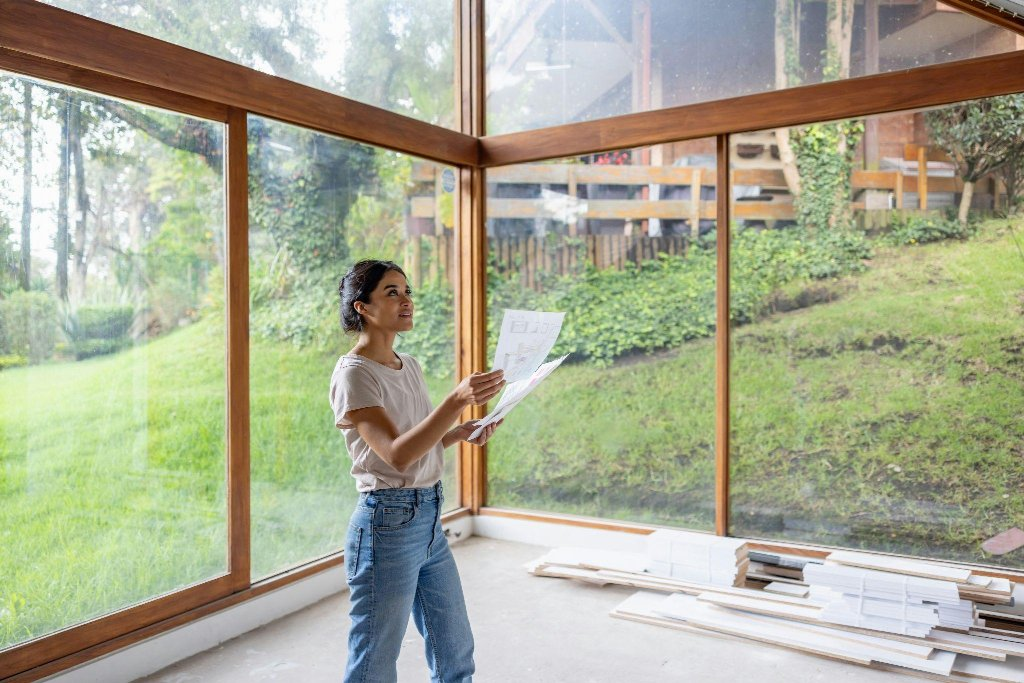
Before you talk to anyone or fall in love with a picture online, get really clear on the problem you’re actually trying to solve. It sounds obvious, but a surprising number of extensions go slightly wrong because the owner never pinned down what they truly needed versus what they vaguely wanted. Are you short on bedrooms, or is it really a bigger, more open kitchen and living area you’re craving? Do you need a dedicated home office, a playroom for the kids, or simply more breathing room for a family that keeps growing?
Being specific here shapes every decision that follows. A growing family that needs bedrooms leads to a very different design than a couple who love to entertain and want to open up the back of the house. Think about how you actually live day to day, where the pinch points are, and what would genuinely make your home work better rather than just bigger. It also helps to think a little ahead, since the extension you build now should still suit you in five or ten years. When you know exactly what you need and why, you give everyone who works on the project a clear target, and you avoid the expensive mistake of building the wrong thing beautifully.
Set a Realistic Budget (and a Buffer)
Once you know what you’re building, it’s time for the honest money conversation, and honest is the key word. Work out what the project is realistically likely to cost, and resist the temptation to base your plans on the most optimistic number you’ve seen. Extensions almost always involve a few surprises once walls come off and the true state of things is revealed, so a sensible contingency buffer on top of your main budget is not pessimism, it’s simply planning for reality. Many people set aside an extra portion of the budget specifically for the unexpected, and they’re glad they did.
It’s also worth thinking about the extension as an investment in your home, not just an expense. A well-planned extension that adds genuinely useful space usually adds value to the property, so weighing the cost against what it brings, both in daily enjoyment and in the home’s worth, helps you make sensible choices about scope and finish. Being clear and realistic about money from the outset protects you from the most common source of extension stress, which is running out of funds partway through. Know your number, protect a buffer, and make your design decisions within that reality rather than hoping the costs will somehow come in lower than everyone says.
Choosing the Right Team to Build It
If there’s one factor that determines whether your extension is a joy or a nightmare, it’s who you choose to build it. A skilled, reputable, communicative builder can make the whole process feel manageable, while the wrong one can turn it into months of frustration regardless of how good your plans are. This is not the place to simply chase the cheapest quote, because the cheapest quote frequently becomes the most expensive job once the problems start.
Take your time finding a reputable house extension builder in Melbourne or wherever you happen to live, and do your homework properly. Check that they’re licensed and insured, ask to see examples of extensions they’ve completed, and actually speak to some of their past clients about what the experience was like, not just the finished result. A good builder will be happy to provide references and will communicate clearly and honestly with you from the very first conversation. Pay attention to how they treat you before you’ve signed anything, because that’s usually a good preview of how the project itself will go. The right team is worth waiting and paying a little more for, every single time.
Understanding Approvals and the Rules
The part of extending that people most love to ignore is the paperwork, and skipping it causes real heartache. Before you get too attached to a particular design, you need to understand what you’re actually allowed to build, because there are rules governing extensions, and they vary depending on where you live and the nature of your property. Permits, approvals, and local regulations all shape what’s possible, and finding out about them early saves you from designing something that can never be approved.
The rules around house extensions Melbourne homeowners deal with, like those anywhere, can affect everything from how far you can build to boundary setbacks, heights, and how the work needs to be documented and signed off. A good builder or designer will help you navigate all of this, but it pays to understand at least the basics yourself so nothing catches you off guard. Getting the approvals right isn’t just about avoiding fines or forced changes down the track, it’s about protecting the value and legality of your home for the future, including when you eventually come to sell. Treat this stage as a normal, necessary part of the process rather than an obstacle, sort it out early, and it quietly disappears as a source of worry.
Living Through the Build Without Losing Your Mind
The final thing to prepare for is the reality of living alongside a building project, because even the smoothest extension involves some disruption, and knowing that in advance makes it far easier to handle. There will be noise, dust, workers coming and going, and stretches where part of your home is out of action or your routine is upended. Going in expecting this, rather than being blindsided by it, changes the whole experience from a shock to a manageable, temporary inconvenience.
A few practical habits help enormously. Keep the lines of communication with your builder open and friendly, so you can raise questions or concerns early and calmly rather than letting them build up. Plan around the mess where you can, setting up a temporary kitchen if yours is being redone, or carving out a quiet corner away from the work. And when the dust and the disruption start to wear on you, hold on to the vision of the finished space and why you started, because that end result is coming and it will be worth it. An extension is a temporary season of upheaval in exchange for a lasting improvement to the home you love, and homeowners who go in planned, realistic, and well matched with their builder come out the other side with exactly the space they needed and their sanity intact.

Meg is an author at Cinnamon Hollow. She writes on a variety of topics sharing tips and ideas for daily life.