An engagement ring is designed to be a lifelong companion, a daily reminder of a singular promise. For decades, the narrative surrounding engagement rings has been monolithic: a clear diamond set in gold or platinum. However, modern couples are increasingly seeking alternatives that reflect their unique aesthetics, values, and love stories. Choosing the best gemstone for an engagement ring is a delicate balance of breathtaking beauty, deep symbolism, and—crucially—scientific durability.
Not all gemstones are created equal, and understanding which stones can withstand the rigors of daily life is the first step toward finding a ring that will last generations. Whether you are drawn to the classic brilliance of a diamond or the vibrant hues of a sapphire, YourAsteria Engagement Rings offers a stunning array of choices designed to capture your unique commitment.
The Science of Durability: Hardness vs. Toughness
When gemologists talk about a stone’s suitability for an engagement ring, they look at two distinct physical properties: hardness and toughness. These terms are often used interchangeably in everyday language, but in mineralogy, they mean very different things.
- Hardness (The Mohs Scale): Developed by mineralogist Friedrich Mohs, this scale measures a mineral’s resistance to being scratched. It runs from 1 (talc, the softest) to 10 (diamond, the hardest). Because dust in the air contains microscopic particles of quartz (which ranks at a 7), any gemstone softer than a 7 will inevitably become dull and scratched over time just from regular wear and cleaning. For a ring meant to be worn daily, jewelers strongly recommend stones ranking 8 or above.
- Toughness: While hardness measures scratch resistance, toughness measures a stone’s resistance to chipping, cracking, or breaking upon impact. A gemstone can be extremely hard but physically brittle. For instance, diamonds are the hardest material on Earth, but they have “perfect cleavage”—structural planes of weakness where a sharp, well-placed blow can cleave the stone.
Understanding both metrics ensures that the gemstone you select will maintain its crisp facet edges and brilliant polish through decades of handwashing, typing, traveling, and living.
The Elite Tier: Built for a Lifetime (Mohs 8.5–10)
For a ring that you never want to take off, this tier offers the ultimate peace of mind. These stones combine elite scratch resistance with excellent structural toughness.
1. Diamonds and Lab-Grown Diamonds
Mohs Hardness: 10 The diamond is the undisputed champion of gemstone durability. Because it sits at the absolute apex of the Mohs scale, the only thing that can scratch a diamond is another diamond. This incredible hardness allows diamond cutters to create facets with razor-sharp edges, resulting in the unmatched brilliance and “fire” (flashes of colored light) that the stone is famous for.
Lab-grown diamonds are chemically, optically, and structurally identical to mined diamonds. They offer the exact same 10/10 durability and brilliance but at a significantly lower price point and with fewer environmental concerns.
2. Moissanite
Mohs Hardness: 9.25 Originally discovered in a meteor crater, naturally occurring moissanite is incredibly rare. Today, moissanite is lab-created and serves as the most popular diamond alternative. Ranking just below diamond in hardness, it is phenomenally durable. Optically, moissanite has a higher refractive index than a diamond, meaning it actually exhibits more fire and brilliance, throwing off spectacular rainbow flashes of light.
3. Sapphires and Rubies (The Corundum Family)
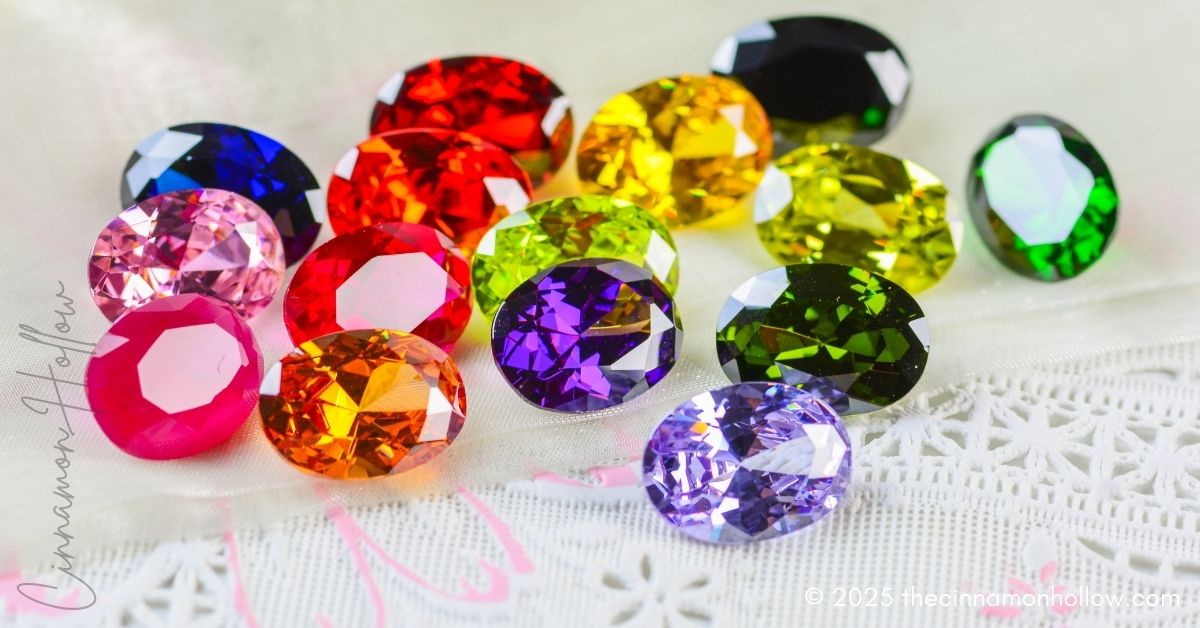
Mohs Hardness: 9 Sapphires and rubies are structurally the exact same mineral: corundum. When corundum is red, it is called a ruby; any other color is considered a sapphire. While deep, velvety blue is the most famous sapphire hue, these stones naturally occur in a rainbow of colors, including pink, yellow, green, and the highly prized peachy-pink “Padparadscha.”
Corundum is the ultimate colored gemstone for daily wear. Not only is it exceptionally hard, but it also lacks the cleavage planes found in diamonds, making sapphires and rubies incredibly tough and resistant to chipping.
4. Alexandrite
Mohs Hardness: 8.5 Alexandrite is one of the rarest and most fascinating gemstones in the world. It is famous for its dramatic pleochroism—the ability to change color based on the lighting. In natural daylight, a high-quality alexandrite appears as a vibrant emerald green or bluish-green. Under incandescent indoor lighting, it transforms into a rich purplish-red. Known as “emerald by day, ruby by night,” it is a magical, highly durable choice.
5. Spinel
Mohs Hardness: 8 Spinel is the fine jewelry industry’s best-kept secret. Historically confused with rubies (the famous “Black Prince’s Ruby” in the British Crown Jewels is actually a massive red spinel), this gemstone is tough, brilliant, and available in spectacular shades of red, vivid cobalt blue, and moody greys. Because it is less commercially famous than sapphire, it often provides incredible value and high durability.
The Middle Tier: Beautiful but Requires Mindfulness (Mohs 7.5–8)
These stones are stunning and highly popular, but their physical structure requires more careful wear and specific protective settings to ensure they last.
6. Emerald
Mohs Hardness: 7.5–8 Emeralds possess a lush, verdant green that has captivated royalty for millennia. However, while they are relatively hard, emeralds are naturally formed with internal fractures and inclusions (affectionately called the jardin, or garden, by gemologists). These inclusions make the stone brittle and highly susceptible to cracking under pressure or impact. If you choose an emerald, it is imperative to use a protective setting and to remove the ring during physical activities.
7. Aquamarine and Morganite
Mohs Hardness: 7.5–8 Both aquamarine (icy blue) and morganite (blush pink) belong to the beryl family, just like emeralds. Unlike emeralds, they usually form with high clarity and fewer inclusions, making them slightly tougher. Morganite has surged in popularity for modern, romantic rings, especially paired with rose gold. However, because they sit lower on the hardness scale, they will eventually show “micro-abrasions” on their facet edges over decades of wear, softening their sparkle. They also act as magnets for skin oils, requiring frequent cleaning.
Gemstones to Reconsider for Engagement Rings (Mohs < 7)
While undeniably beautiful, the following stones are fundamentally unsuited for the daily physical abuse an engagement ring takes. They are best reserved for earrings, pendants, or right-hand rings worn occasionally.
- Opal (5.5–6.5): Opals contain up to 20% water. They are incredibly soft, easily scratched, and prone to “crazing” (developing a web of cracks) if exposed to sudden temperature changes or dry environments.
- Moonstone (6–6.5): Known for its ethereal, glowing adularescence, moonstone is simply too soft for daily wear. It will quickly become scuffed and cloudy from contact with everyday surfaces.
- Pearls (2.5–3): Pearls are organic matter. They are exceptionally delicate, and their lustrous surface (nacre) can be permanently eaten away by household cleaners, perfumes, and even the natural acidity of human sweat.
Engagement Ring Gemstone Durability Cheat Sheet
| Gemstone | Mohs Hardness | Daily Wear Suitability | Care Notes |
|---|---|---|---|
| Diamond | 10 | Excellent | Maximum scratch resistance; extremely stable |
| Moissanite | 9.25 | Excellent | Highly durable diamond alternative; maximum fire |
| Sapphire / Ruby | 9 | Excellent | Best colored gemstone for daily wear; exceptionally tough |
| Alexandrite | 8.5 | Excellent | Rare color-changing stone; strong toughness |
| Spinel | 8 | Excellent | Under-the-radar durability; vibrant, untreated colors |
| Emerald | 7.5–8 | Requires Care | Brittle due to natural inclusions; requires protective settings |
| Aquamarine | 7.5–8 | Requires Care | Loses polish over time; requires frequent cleaning |
| Morganite | 7.5–8 | Requires Care | Attracts oils quickly; facet edges can abrade over decades |
| Opal / Pearl | < 6.5 | Not Recommended | Very fragile; easily scratched, cracked, or chemically dissolved |
Setting the Stone for Success
The gemstone you choose is only half of the durability equation; how that stone is mounted onto the band plays a massive role in its lifespan. If you fall in love with a stone that requires a bit more care, the right setting can mitigate the risk.
- Prong Settings: The most common setting (usually 4 or 6 metal claws holding the stone). While prongs let the maximum amount of light into the gem, they leave the widest edge of the stone exposed to side-impacts. This is ideal for diamonds and sapphires, but risky for emeralds.
- Bezel Settings: A thin rim of metal entirely encircles the gemstone, holding it securely in place and protecting its edges from all angles. This is the safest possible setting for any gemstone and offers a sleek, modern aesthetic.Holts Gems
- Halo Settings: Surrounding the center stone with a ring of smaller diamonds not only makes the center gem appear larger but also creates a physical bumper that takes the brunt of daily impacts, protecting the main stone’s edges.
Making the Final Decision
Choosing an engagement ring is a deeply personal endeavor. While the marketing machines of the mid-20th century successfully convinced generations that “a diamond is forever,” modern gemology offers a wealth of alternatives that are just as enduring and often far more expressive.
When making your selection, take an honest inventory of your lifestyle. If you work with your hands, lead an active outdoor lifestyle, or simply don’t want to fuss over taking your ring off every time you do the dishes, stick strictly to the elite tier: Diamonds, Moissanite, Sapphires, Rubies, and Spinel. If you have your heart set on the romantic flush of Morganite or the historic depth of an Emerald, commit to a protective bezel setting and mindful wear.
Key takeaway: The best gemstone is the one that balances your aesthetic desires with scientific reality, ensuring your ring remains a beautiful, wearable testament to your promise.

Meg is an author at Cinnamon Hollow. She writes on a variety of topics sharing tips and ideas for daily life.