Trees add shade, privacy and character to residential properties, but their root systems can sometimes create unexpected plumbing problems. One of the most common concerns is root intrusion into underground drain and sewer lines.
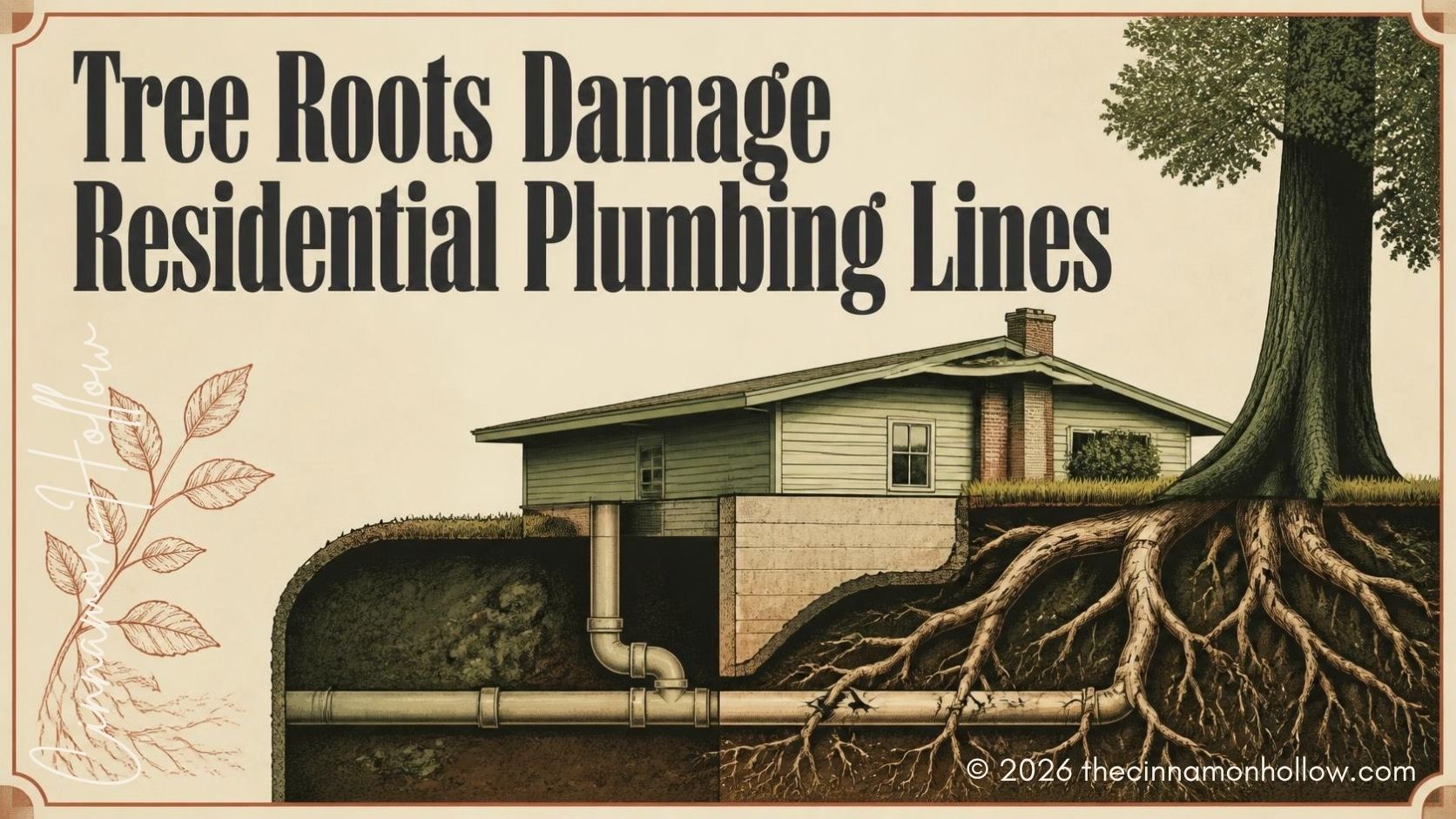
Tree roots generally do not crush healthy plumbing pipes simply by growing nearby. Instead, they take advantage of existing weaknesses such as loose pipe joints, small cracks, corrosion or deteriorated seals. Once roots reach the moisture and nutrients inside a leaking pipe, they can continue growing and eventually restrict wastewater flow.
Understanding how this happens can help homeowners recognise warning signs early and reduce the risk of recurring drain blockages or costly pipe repairs.
Why Are Tree Roots Attracted to Plumbing Lines?
Tree roots naturally grow toward areas that provide water, oxygen and nutrients. Underground drain and sewer pipes can create an attractive environment, especially when a small leak keeps the surrounding soil damp.
Moisture may escape through:
- Cracked pipe walls
- Loose or separated pipe joints
- Deteriorated seals
- Corroded sections of metal pipe
- Poorly connected fittings
- Pipes that have shifted because of soil movement
The wet soil around the damaged area encourages fine feeder roots to grow toward the pipe. These roots may be extremely thin at first, allowing them to enter through very small openings.
Once inside, roots have access to a steady supply of water and organic material. They can then grow into a dense mass that catches grease, paper, hair and other waste moving through the line.
Which Plumbing Lines Are Most Vulnerable?
Tree root intrusion most commonly affects underground drain and sewer lines rather than pressurised household water lines.
Older residential sewer systems may be especially vulnerable. Clay, cast iron, Orangeburg and older concrete pipes often contain multiple joints or become damaged as they age. Even modern PVC drain lines may experience root intrusion if the pipe was installed incorrectly, a joint has separated or the line has been damaged by excavation or ground movement.
Properties with mature trees located near the route of the sewer lateral may face a greater risk. However, the tree does not always need to be directly above the pipe. Roots can spread well beyond the tree canopy while searching for water.
Extended periods of dry weather may also increase root activity around plumbing lines because leaking pipes can provide one of the most reliable underground moisture sources.
Warning Signs of Root Intrusion
Root problems often develop gradually. Homeowners may first notice that a drain is becoming slower or that a blockage returns shortly after the line has been cleared.
Common warning signs include:
Recurring Drain Blockages
A single clogged sink or shower is often caused by material near that particular fixture. However, repeated blockages affecting the same drain line may suggest a deeper problem.
If drain cleaning temporarily restores flow but the blockage soon returns, roots or structural pipe damage may be present.
Multiple Slow Drains
When several fixtures drain slowly at the same time, the obstruction may be located in the building’s main drain or sewer line rather than in an individual branch.
Toilets, showers and floor drains may all be affected because they connect to the same underground drainage system.
Gurgling Plumbing Fixtures
Gurgling sounds from toilets, sinks or tubs may occur when wastewater struggles to move past a partial obstruction. Air becomes trapped or displaced inside the drainage line, producing bubbling or unusual noises.
Sewage Odours
Damaged sewer pipes can allow wastewater or sewer gas to escape into the surrounding soil. Homeowners may notice unpleasant smells near drains, in the basement or outside above the sewer-line route.
Sewage Backups
A serious root blockage can cause wastewater to back up through a floor drain, toilet, shower or other low-level fixture. This requires prompt professional attention because wastewater can create health and property-damage risks.
Unusually Wet Areas Outdoors
Persistent wet soil, soft ground or unusually lush patches of grass may indicate that an underground drain or sewer line is leaking. These conditions may also attract additional root growth.
When Is a Professional Inspection Appropriate?
Professional inspection is appropriate when drain problems are recurring, affect several fixtures or cannot be fully resolved through routine cleaning.
A licensed plumber or drainage professional may perform a sewer camera inspection. A small waterproof camera is guided through the pipe to identify:
- Root growth
- Cracks or holes
- Separated pipe joints
- Corrosion
- Collapsed sections
- Accumulated debris
- Incorrect pipe slope
Camera inspection is especially useful because root intrusion may not be the only issue. Roots often enter through damage that already exists, so simply cutting them away may not provide a permanent solution.
Mechanical root cutting or hydro jetting may restore flow, but damaged sections might still require sealing, relining or replacement. Any replacement work should use correctly sized drainage pipe, fittings and connection methods suitable for the local plumbing system. Homeowners and contractors planning repairs can explore general plumbing supplies and pipe components before discussing material requirements with a qualified professional.
How Can Homeowners Reduce the Risk?
Tree roots cannot always be prevented from growing near underground plumbing, but several measures may reduce the chance of intrusion.
Homeowners should avoid planting large, water-seeking trees directly above sewer laterals. Before adding new landscaping, it is helpful to identify where underground plumbing lines are located and select trees with less aggressive root systems.
Existing drains should also be monitored for repeated slowdowns. Frequent blockages should not be treated as unrelated events, particularly when several fixtures are involved.
Older homes may benefit from preventive sewer camera inspections, especially before major landscaping work, property renovations or the purchase of a home with mature trees.
Most importantly, damaged plumbing should be repaired properly. Secure joints and intact pipe walls prevent moisture from escaping into the soil and remove the opening that roots need to enter. Reliable pipes, valves and plumbing repair materials can support the repair process, but underground sewer work should be planned according to local codes and completed by an appropriately qualified professional.
Conclusion
Tree roots can damage residential plumbing lines, but they usually do so by entering cracks, deteriorated seals or separated pipe joints rather than breaking into a completely sound pipe. Moisture leaking into the surrounding soil attracts fine roots, which can grow inside the line and contribute to recurring drain blockages, slow drainage, gurgling fixtures and sewage backups.
Homeowners who notice repeated drainage problems should consider a professional camera inspection instead of relying only on temporary clog removal. Identifying both the roots and the underlying pipe damage is the best way to choose an effective long-term solution. Preventive inspections, thoughtful tree placement and properly maintained pipe joints can all help protect residential sewer lines from future root intrusion.

Meg is an author at Cinnamon Hollow. She writes on a variety of topics sharing tips and ideas for daily life.