A riverfront wedding venue can offer something that is difficult to recreate elsewhere: a natural setting that changes throughout the day. Water views can create a calm backdrop for the ceremony, while open-air spaces can make the reception feel connected to the surrounding landscape. But a beautiful view should not be the only factor guiding the decision.
A wedding venue also needs to work from a practical standpoint. Guest comfort, weather conditions, accessibility, food service, photography opportunities, and the overall layout can all affect how smoothly the day unfolds. Before booking a location, couples should consider both the atmosphere they want and the logistics required to make it work.
1. Evaluate the Riverfront Setting
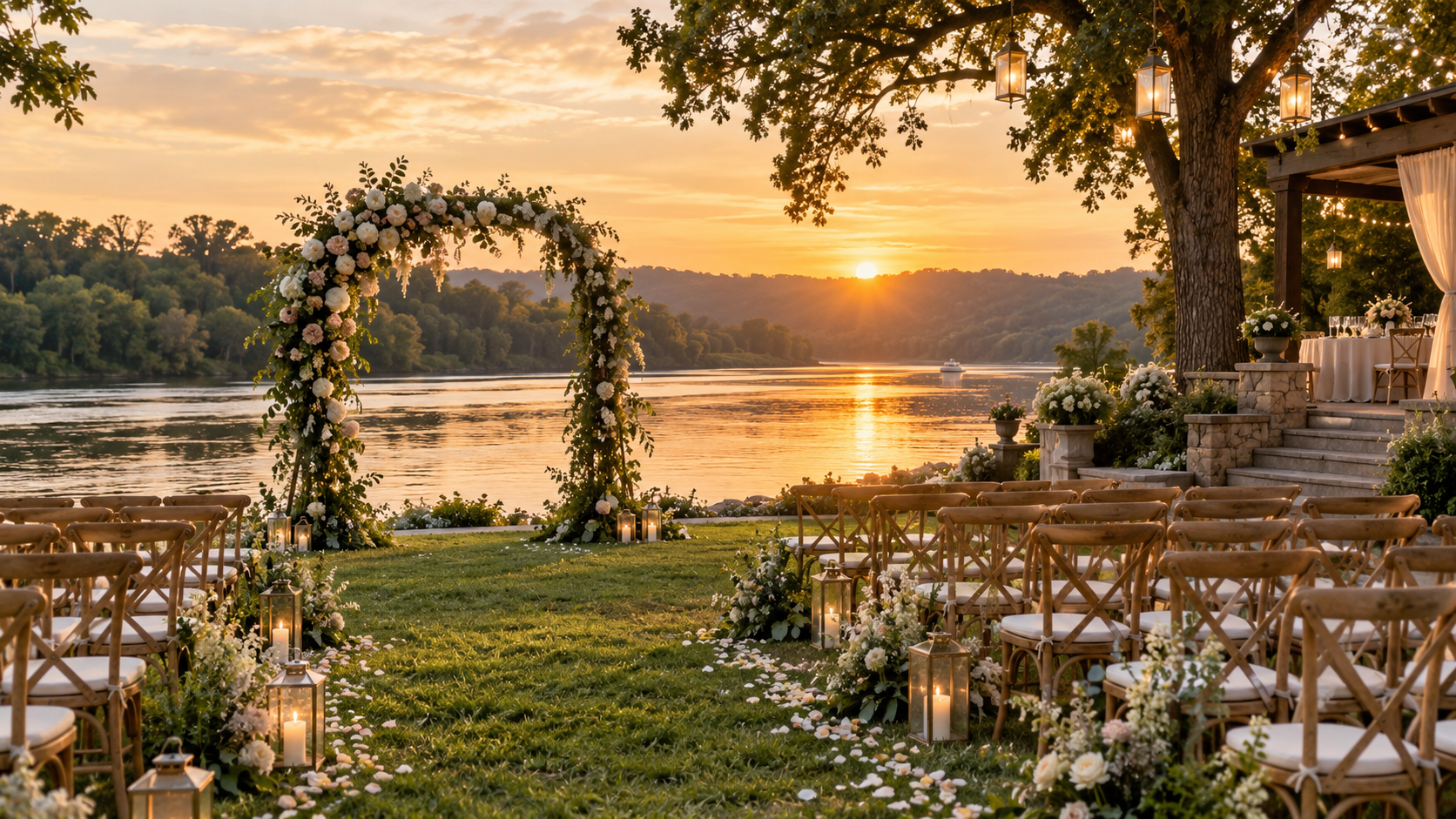
The setting is often the main reason couples consider a waterfront or riverfront wedding venue, but it is worth looking closely at how the property actually uses its location.
Think about where the river can be seen from the ceremony, reception, cocktail area, and photography locations. A venue may technically sit beside a river without providing clear views from the spaces you plan to use.
If the riverfront setting is an important part of your vision, a location such as a River House Hotel Wedding Venue can be considered alongside other venues with similar surroundings. The goal is not simply to find a venue near water, but to determine whether the setting works naturally with your wedding plans.
Pay attention to the time of day as well. Morning, afternoon, and evening light can create very different surroundings, particularly if you are planning outdoor photographs or a sunset ceremony.
2. Check the Weather Backup Plan
Outdoor celebrations always come with some uncertainty, and riverfront locations may be especially exposed to changing weather conditions.
Ask what happens if there is heavy rain, strong wind, extreme heat, or unexpectedly cool weather. A backup space should be large enough to accommodate your planned guest count rather than being an afterthought.
During your venue tour, ask to see the actual backup location. This makes it easier to understand whether your ceremony, dinner, entertainment, and other activities could transition comfortably indoors.
A good backup plan should also be practical for vendors. Caterers, photographers, musicians, and rental companies may need additional time or equipment when plans change.
3. Consider Guest Accessibility
A beautiful venue can become difficult for guests if getting there or moving around the property is complicated.
Check the distance from major roads, airports, hotels, and public transportation where relevant. Consider whether older guests, people with mobility limitations, or families with young children can comfortably access the ceremony and reception spaces.
Look at walkways, stairs, parking areas, restrooms, entrances, and seating arrangements. If guests have to travel between multiple areas, find out whether the distance is manageable.
Accessibility should be considered during the site visit rather than assumed from photographs or online descriptions.
4. Look at the Guest Capacity Carefully
Venue capacity is more than a number listed on a website. A space that technically accommodates 150 people may feel very different depending on the seating arrangement, dance floor, buffet tables, bar, entertainment setup, and other requirements.
Ask the venue to show you possible layouts for your expected guest count. Think about how people will move between tables, the bar, restrooms, dance floor, and outdoor areas.
If you are planning a smaller wedding, make sure the space will still feel comfortable and intentional. Likewise, a larger celebration may require more room than the basic seated-capacity figure suggests.
5. Review the Ceremony and Reception Layout
One advantage of many riverfront venues is the possibility of using different areas throughout the wedding day. You might have the ceremony outdoors, move guests to another area for cocktails, and then transition into a reception space.
Before booking, map out how that movement would work.
Ask:
- Where will guests wait before the ceremony?
- How far is the ceremony space from the reception?
- Where will cocktail hour take place?
- Is there a private area for the couple and wedding party?
- Can vendors move equipment without disrupting guests?
A well-planned layout can make the day feel seamless, while a poorly designed one can create unnecessary delays.
6. Understand the Total Cost
The advertised venue price is rarely the only figure that matters. Ask for an itemized breakdown of all venue-related expenses before making a decision.
Depending on the location, costs may include food and beverage minimums, service charges, rentals, setup and cleanup, overtime, security, parking, or additional staffing.
The Knot also recommends asking exactly what is included in the venue fee rather than assuming certain services or equipment are part of the package.
Create a realistic budget that includes both the obvious costs and potential extras. This makes comparing several wedding venues much easier.
7. Ask About Food and Beverage Options
Food service can have a major effect on the guest experience, so review the catering arrangements carefully.
Find out whether the venue has an in-house kitchen or requires an outside caterer. Ask about menu flexibility, dietary accommodations, tasting opportunities, bar service, cake policies, and whether outside food or beverages are permitted.
If you have guests with allergies or specific dietary requirements, discuss those needs early rather than waiting until the final planning stages.
It is also useful to understand when the menu must be finalized and how guest-count changes affect the final bill.
8. Review Vendor and Decoration Policies
Some venues allow couples to select their own vendors, while others maintain preferred-vendor lists or have restrictions on outside professionals.
Before signing a contract, ask about photographers, florists, DJs, live bands, caterers, rental companies, and decorators.
Also check decoration policies. Some locations restrict candles, confetti, hanging decorations, open flames, or installations that could damage the property.
If you already have a particular photographer or entertainment provider in mind, confirm that they can work at the venue before booking.
9. Think About Photography Opportunities
Riverfront surroundings can provide excellent photo opportunities, but the actual photography experience depends on access, timing, lighting, and privacy.
Walk around the property during your venue tour and identify potential portrait locations. Consider whether there are indoor alternatives if the weather changes.
Ask whether photographers can access the riverfront area throughout the event or whether certain spaces have time restrictions.
It is also worth considering where the sun will be during your ceremony. Strong direct sunlight can affect guest comfort and photographs, while shaded areas may be more suitable during certain parts of the day.
10. Read the Contract and Ask About Policies
Once you find a venue you like, avoid making a decision based solely on the tour experience. Read the contract carefully and make sure you understand the venue’s policies.
Pay particular attention to:
- Deposit requirements
- Payment deadlines
- Cancellation policies
- Rescheduling terms
- Guest-count deadlines
- Setup and cleanup times
- Noise restrictions
- Event end times
- Overtime charges
- Insurance requirements
- Weather-related arrangements
The venue contract should clearly explain what both parties are responsible for. The Knot’s venue guidance similarly recommends reviewing details such as rules, hours, capacity, vendor policies, costs, and backup spaces before committing.
If any section is unclear, ask for clarification before signing rather than assuming it will be flexible later.
Conclusion
Choosing a riverfront wedding venue involves more than finding an attractive view. The best choice should balance scenery with practical considerations such as guest comfort, accessibility, weather protection, capacity, layout, catering, vendor policies, photography, and cost.
Take time to visit each potential venue, ask detailed questions, and imagine how the entire wedding day will move from one stage to the next. A venue that looks beautiful but creates logistical challenges may not be the right fit. By considering both the setting and the practical details, couples can make a more informed decision and create a wedding experience that feels comfortable, organized, and personal.
FAQs
1. What should I look for in a riverfront wedding venue?
Look beyond the view. Check the ceremony and reception layouts, guest capacity, accessibility, weather backup, photography areas, parking, catering options, vendor policies, and total costs. The riverfront setting should complement the event without creating unnecessary logistical challenges for you, your vendors, or your guests.
2. Do riverfront weddings need an indoor backup plan?
Yes. Even when an outdoor ceremony is the main plan, the weather can change unexpectedly. Ask the venue about its indoor or covered alternative and make sure it can comfortably accommodate your guests. Ideally, the backup space should support the same essential activities without causing major disruption.
3. When should couples visit a wedding venue?
Visit before signing the contract and, when possible, see the venue at a similar time of day to your planned wedding. This can help you evaluate lighting, temperature, traffic, views, and noise. Prepare questions in advance so you can compare different venues based on the same criteria.

Meg is an author at Cinnamon Hollow. She writes on a variety of topics sharing tips and ideas for daily life.