

There’s a special kind of freedom that comes with a road trip, a sense of adventure that starts the moment you begin planning. But the difference between a good trip and an unforgettable one often comes down to the details, the things that go beyond just picking a destination.
Crafting the perfect journey, especially on two wheels, means smart preparation, creative route-finding, and clever packing. This guide will help you turn your next road trip from a simple holiday into a real adventure.
Choosing Your Destination Wisely
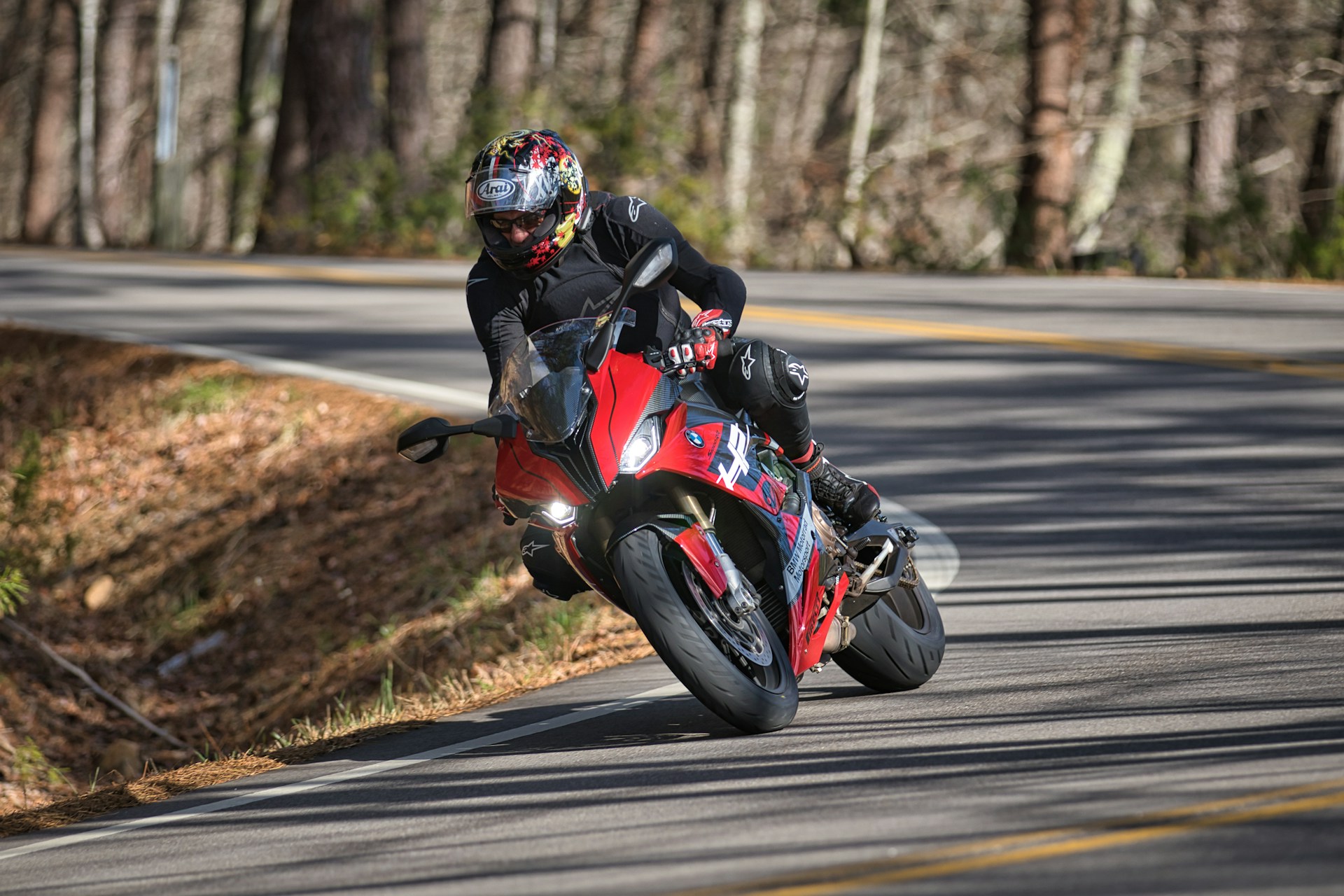
The first step in any road trip is deciding where to go, but a truly great trip starts with *why* you’re going. Are you looking for the thrill of hairpin bends through mountain passes, the relaxing rhythm of sweeping coastal roads, or the quiet discovery of historical villages?
Figuring out your trip’s theme will make all your other decisions easier. Instead of just picking a single spot on the map, think about a region that offers the kind of riding and experiences you’re craving.
Also, consider how much time you have versus the distance you want to cover. It’s tempting to pack as much as possible into a week, but that can mean long, tiring days on motorways just to keep to your schedule. A more rewarding approach is to choose a smaller area and really explore it.
A good road trip plan often means setting a comfortable daily mileage limit, maybe 150-200 miles. This leaves plenty of room for spontaneous stops, leisurely lunches, and soaking in the views.
Finally, be realistic about the season. A tour of the Scottish Highlands is spectacular in summer, but it’s a very different challenge in the unpredictable weather of early spring or late autumn.
Mapping Out Scenic Routes
Your sat-nav’s default setting is “fastest route,” which is the enemy of any memorable road trip. The real magic happens on the smaller, winding A and B roads that connect towns and villages, not the multi-lane motorways designed to bypass them.
Take the time to plan your route manually, using online maps to find these more interesting paths. Most mapping services have an “avoid motorways” or “avoid highways” option, which is a great place to start.
For motorcyclists, there are even specialised route-planning apps and websites that find the most “twisty” or scenic roads between two points. These tools can uncover hidden gems you’d never find otherwise. But don’t let your plan become a rigid itinerary. The best road trips have an element of spontaneity.
If you see a sign for a local viewpoint or a road that looks too tempting to ignore, be ready to take a detour. Build some buffer time into each day’s schedule for these unplanned adventures. Learning how to plan a road trip is about creating a framework, not a cage, leaving you free to explore what you find along the way.
Preparing Your Bike for the Journey
A reliable machine is the key to a stress-free tour. Before you set off, it’s crucial to give your motorcycle a thorough check-over, going beyond your usual pre-ride glance. A helpful acronym to remember is T-CLOCS:
- Tyres and Wheels: Check pressures, tread depth, and look for any damage.
- Controls: Make sure your levers, cables, and throttle work smoothly.
- Lights and Electrics: Test all your lights, indicators, and your horn.
- Oil and Other Fluids: Check engine oil and coolant levels.
- Chassis: Inspect the frame, suspension, and chain for proper tension and lubrication.
- Stands: Make sure your side stand and centre stand work correctly.
Beyond the mechanical checks, preparing your bike means making sure your paperwork is in order. This includes your licence, registration, and confirming you have the right protection.
A long-distance tour might have different requirements than your daily commute, so it’s smart to review your policy. Having comprehensive motorcycle cover from Carole Nash can give you the support you need if you run into a problem far from home.
The Essential Packing List
When it comes to packing for a motorcycle trip, the rule is “pack light, pack smart.” Every item you bring adds weight and takes up valuable space, so choose multi-purpose items whenever you can. Your packing list can be broken down into a few main categories.
First up is your riding gear. Layering is always best. A thermal base layer, a comfortable mid-layer like a fleece, and your protective, waterproof outer gear will let you adapt to changing temperatures throughout the day. Always pack full waterproofs, even if the forecast looks perfect.
Next, pack a minimal amount of casual clothing for evenings. You don’t need a new outfit for every day; a couple of pairs of trousers and a few tops will do.
Don’t forget the essentials for your bike. A basic tool kit, a tyre pressure gauge, and a puncture repair kit are must-haves. A small first-aid kit is also a smart addition. Organise your luggage logically using panniers, a tank bag for easy-access items like your phone and wallet, and a tail pack for everything else. Try to distribute the weight evenly on both sides of the bike to keep handling stable.
Secure Your Adventure with Confidence
Once you’re on the road, a little thought about security can prevent a lot of potential stress. When booking accommodation, ask about their parking situation. Many hotels and B&Bs offer secure, locked parking for motorcycles if you ask in advance. If not, aim for a well-lit area, preferably one with CCTV.
Always carry physical security devices with you. A high-quality disc lock is a minimum deterrent, and a sturdy chain and padlock to secure your bike to an immovable object offer much better protection. A bike cover can also be a useful deterrent, as it keeps your motorcycle out of sight from opportunistic thieves.
Beyond the bike itself, think about your personal safety. Let a friend or family member know your intended route and check in with them regularly. Keep your phone fully charged and carry a portable power bank as a backup. Making sure you have breakdown cover as part of your overall preparations is also a vital safety net, giving you a clear plan if you run into mechanical trouble.
With these details carefully considered and prepared, you’re ready for more than just a ride. You’re ready to create lasting memories on the open road, confident that you’ve laid the groundwork for a truly incredible adventure.
Check out our Travel Adventure videos below!


Meg is an author at Cinnamon Hollow. She writes on a variety of topics sharing tips and ideas for daily life.