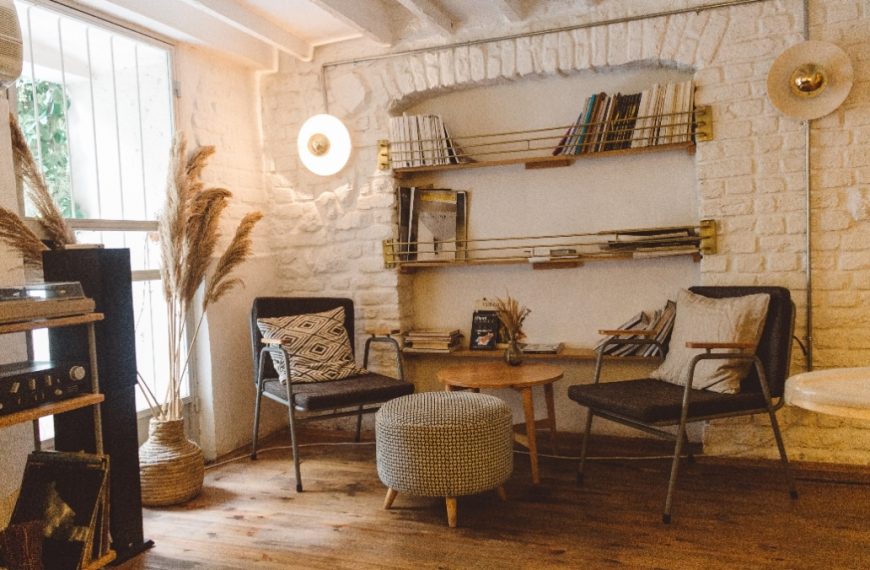
There’s something special about walking into a house or a room that instantly feels calm. It’s not always about what you see, though. It’s sometimes about what you feel. The way light falls, the soft feeling of a rug under your feet, or even the scent in the air. These small details makes all the difference in the mood of a home.

Start With Light
Light changes everything. Natural light wakes up the home, helps regulate your body’s rhythm, and sets the tone for the day. Try opening the curtains earlier in the morning, or moving a favorite chair near a sunny spot.
In the evening, trade bright overhead light bulbs for softer table lamps. Warm light relaxes your mind. It makes conversations richer and bedtime more peaceful. Dimmer switches can transform the mood without much effort.
Have You Thought About Different Textures?
Texture plays with our senses in a unique way. Think of the huge difference between a cool metal chair and a woven blanket. Surround yourself with materials that invite comfort.
Try mixing smooth and rough surfaces where you can. Add a jute rug near a sleek coffee table. Place a soft pillow on a leather couch. These contrasts keep your senses gently engaged, without overwhelming them.
Sound And Silence
Every home has a soundscape. Some are filled with warm chatter and laughter, others with the hum of appliances. Becoming aware of sound is a simple but powerful step toward a calmer home.
If your home feels too noisy, look for ways to soften it. Curtains, rugs, and cushions absorb sound. Gentle background music can mask harsh noises. On the other hand, if your home feels too quiet, add sounds that soothe.
Sometimes, sound sensitivity can go deeper than comfort. People who experience ringing or discomfort might benefit from consulting audiologists and tinnitus treatment experts, who can offer practical advice for creating more peaceful listening environments.
The Scent In Your Home
Scent connects directly to emotion and memory. It can calm or energize instantly. Start by keeping your air fresh. Open the windows often, even for a few minutes. You don’t need heavy perfumes or expensive diffusers. A few sprigs of rosemary in a jar of water or a citrus peel simmering on the stove can lift the mood dramatically. Lavender or chamomile can also ease the evening hours. Let scent become a mainstay in your home.
Touch And Movement
Think about how your body interacts with your home. A cluttered countertop makes daily tasks harder. A narrow walkway creates tension without you realizing it. Who wants to bump into that coffee table over and over? Move furniture to allow for easy flow. Keep the things you use most often within reach. Another thing you can do is to add little comforts like slippers near the door, a cozy blanket where you read, a soft rug by the bed. These tactile cues remind your body that it’s safe and cared for.
The Emotional Layer
A calmer home isn’t only about design. It’s about how it makes you feel. Maybe you keep a shelf for small things that make you happy. A glass container with seashells, a family photo, a handwritten note. These aren’t just decorations. They’re anchors that remind you what matters.
You don’t need perfection. When you tune into your senses, your home begins to feel alive. Small changes ripple through your days in surprising ways.
Creating calm is a practice, not a project. It grows slowly, one sensory choice at a time. The light that feels right. The texture that comforts. The scent that brings you back to yourself. You may not notice the shift right away. But over time, your home starts to return the care you give it. And that’s the quiet kind of magic that makes life a little softer, and a lot more peaceful.

Meg is an author at Cinnamon Hollow. She writes on a variety of topics sharing tips and ideas for daily life.