
We currently rent our home but we’ve been thinking about purchasing for awhile now and to make it worthwhile we need to focus on some energy conservation. As it stands right now, this house is average when it comes to energy savings. I know because I took a HomeSelfe to figure out where it stands. We’d definitely need to make some home renovations before and after committing to buy.
This is a sponsored post written by me on behalf of HomeSelfe. All opinions are strictly my own and were formed after personal testing of the app.
HomeSelfe (pronounced ‘Home Selfie’) is an app that helps you save MONEY with a free evaluation on your home’s energy inefficiencies and provides you solutions to them. (An normal energy audit done professionally can cost a few hundred dollars.)”
What is HomeSelfe?

With a patent pending technology in the form of a free app, Homeselfe allows you to create a digital mock up of your home with a simple questionnaire you can answer at your own pace. Once your Homeselfe is complete, you’ll instantly receive a free, easy-to-read report that provides a clear picture of your home’s energy efficiency, where you need to improve, and what upgrades take priority.
Homeselfe also helps you take action. It connects you with qualified local contractors, and provide information on special offers and rebates provided by your local government, so you can quickly earn money back on your upgrades, and start reaping the long-term benefits sooner.
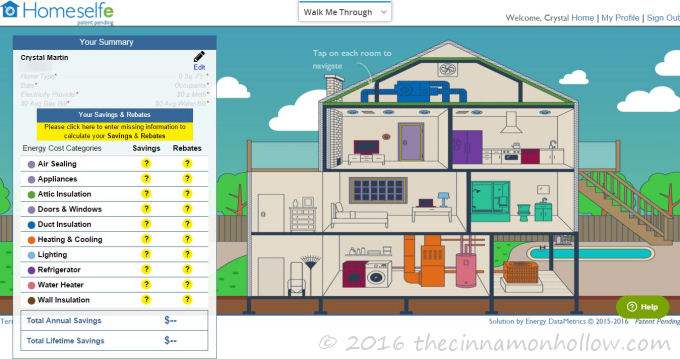
I took the HomeSelfe and it was very simple and quick to use. The mock up shows all the typical rooms and appliances that you would have in a home. You click on each one and it asks a series of questions like if your windows and appliances are ENERGY STAR® qualified.
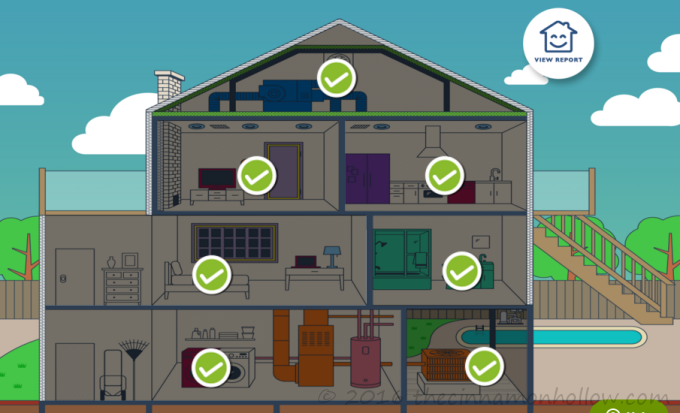
Once you have completed a room it places a check mark so you can see where you’ve left off.
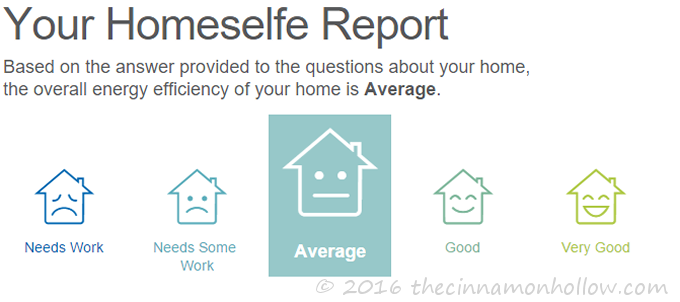
Once you go through the rooms it will immediately give you a score. Ours is average. Our appliances are old and worn out and don’t have the ENERGY STAR® logo so I wasn’t sure if they qualified, however our hot water heater is new and does have that. I don’t think the other things do so I selected “I don’t know” when asked about those. Apparently, that would go a long way in energy conservation in our home.
If I were to buy the home I would have the landlord add weather stripping around all the doors and replace the doors with ENERGY STAR® qualified doors. We’d replace the windows. That alone can help save 15% on energy bills!
I mentioned that we do have a new hot water heater. Our old one went kaput last year so it’s been replaced with a new model. Compared to a standard electric water heater, an ENERGY STAR® qualified heat pump water heater may cut your water heating cost in half.
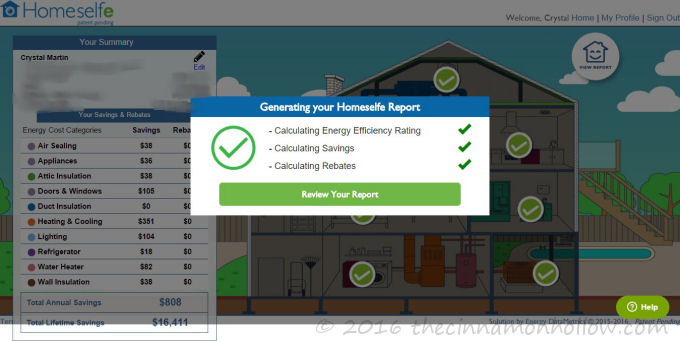
Here’s all the advice our personal report gave us. Some of these things we do have in place but I wasn’t sure when going through the checklist so I checked no:
- Heating/Cooling: Save up to 20% on your heating and cooling costs by replacing old HVAC equipment and vertical radiators.
- Doors/Windows: ENERGY STAR® qualified windows and doors can help you save 15% on your energy bills.
- Air Sealing: Save 10% or more on your energy bills by having an appropriate air sealing in your home.
- Attic Insulation: Reduce up to 20% on your energy bills by properly insulating your home.
- Wall Insulation: Wall insulation can reduce your heating and cooling costs up to 30%.
- Appliances: On average, ENERGY STAR® appliances use 50% less energy than standard models without compromising features and functionality. (Some of our do have this certification)
- Refrigerator: ENERGY STAR® refrigerators are about 15% more energy efficient than non-certified models.
- Duct Insulation: ENERGY STAR® estimates that the typical home loses 20-40% of the air that moves through the duct system.
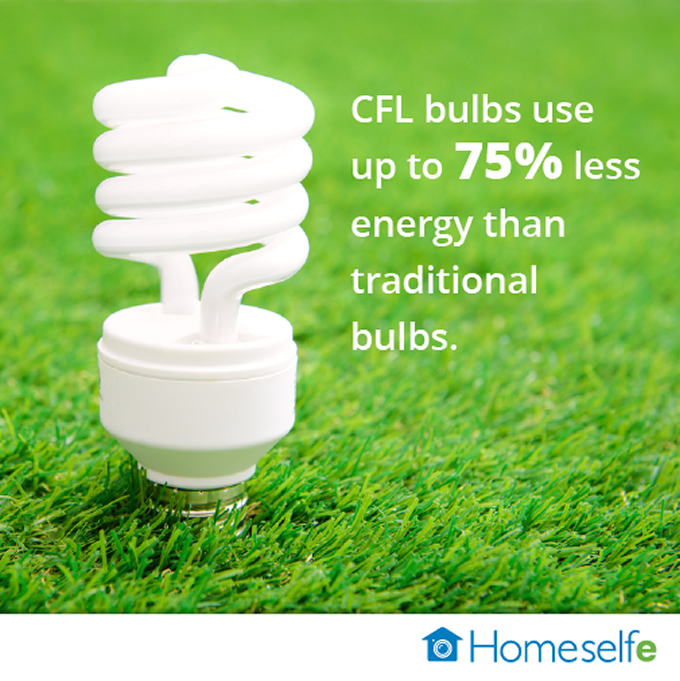
Lighting, we’re good on. We use the right bulbs to save on electricity, throughout the house. They use 85% less energy than old incandescent bulbs while producing the same amount of light. We haven’t really noticed a difference in the light they put out.
We also make it a habit to turn off lights in rooms that are not being used, which helps reduce unnecessary energy consumption. It can be helpful to compare electricity rates from different providers periodically to ensure you are getting the best value for your household’s energy needs.
If we make the recommended changes we can save up to $805 per year with a potential lifetime savings of $16, 409. That’s a lot of money!
Optimizing a home for energy conservation often begins with the most energy-intensive systems, such as heating and cooling. While simple habits like closing blinds or adjusting the thermostat make a difference, the mechanical efficiency of your equipment is the real foundation for long-term savings. When a system begins to age or fails unexpectedly, consulting a reliable hvac contractor auburn can provide the technical insight needed to decide between a targeted repair or a full upgrade to a modern, energy-efficient model. These professionals ensure that every component is calibrated correctly, preventing the phantom energy loss that occurs when systems struggle to maintain a consistent indoor temperature against the elements.
ENERGY CONSERVATION: DID YOU KNOW?
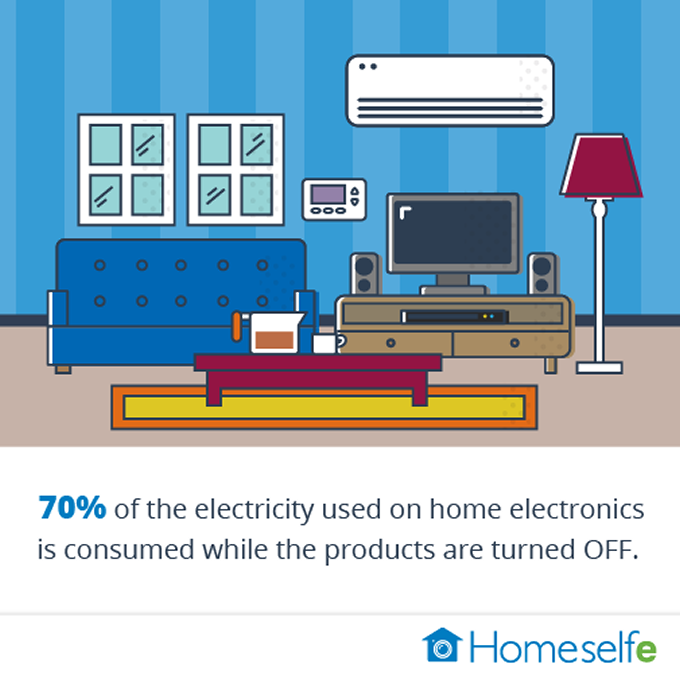
Reducing household utility costs often involves a combination of small behavioral shifts and more substantial infrastructure considerations. While switching to LED bulbs or managing laundry schedules during off-peak hours offers immediate relief, long-term sustainability might involve deeper property evaluations. For instance, integrating a geothermal hvac system allows a home to tap into the earth’s stable underground temperature for heating and cooling throughout the year. This approach significantly minimizes reliance on volatile fossil fuel prices while maintaining a consistent indoor climate. Balancing these large-scale improvements with daily habits ensures a comprehensive strategy for managing energy consumption effectively.
Here are 50 ways to save energy!

Photo courtesy of HomeSelfe.com
[gn_note note_color=”#f5fcf1″]What are some ways you have found to save on energy costs in your home? Take a HomeSelfe to to see if you could be saving even more money![/gn_note]
Beyond simply adjusting the thermostat, maintaining the internal components of your climate control system is vital for achieving peak energy efficiency. Dust accumulation and worn-out parts can force units to work harder, significantly increasing monthly utility costs while shortening the lifespan of expensive equipment. Many homeowners find that searching for a qualified hvac near me provides access to professional inspections that identify hidden issues like leaky ductwork or failing sensors. Taking these proactive steps ensures that your home remains comfortable throughout the seasons without unnecessary financial strain. Consistent care, combined with simple behavioral changes, creates a sustainable living environment that benefits both your wallet and the planet over the long term.

Hi, I’m Crystal – a Kentucky-based Aromatherapist, wife, mom and the voice behind The Cinnamon Hollow. I share cozy, real-life inspiration for healthier routines, simple home living, essential oil use and safety, beauty, pets, and family adventures. From everyday tips to travel guides, my goal is to help you create a warmer life and embrace each day as its own little adventure. Always remember to live life, one adventure at a time! read more



I love all of these infographics! Great tips, thanks for sharing!