

Jet lag and picky eaters can turn any family vacation into a string of small problems. When the time zone shift hits a five-year-old at 4 p.m. and the nearest restaurant has a menu in Traditional Chinese, even patient parents can feel rushed.
The good news is that a little Hong Kong family trip planning before you leave home can keep mealtimes calmer and more enjoyable.
These tips cover what to pack, how to handle arrival day, where to eat with wiggly kids and how to manage allergies and payments so dining fits smoothly into your trip.
Quick Wins to Keep in Mind
- Book earlier dinners for the first two nights to match jet-lagged energy levels.
- Carry a small snack kit in your day bag at all times.
- Choose one familiar dish per meal so every child has a safe option.
- Pick venues with space for strollers or room for kids to move.
- Build in a grocery or convenience store stop on day one for breakfast staples.
Before You Go: Prep and Packing for Hong Kong Family Trip Planning
Make tentative dinner reservations for your first two nights. You can always cancel if plans change, but having a short list removes one decision from a foggy first evening. Check opening hours and high-chair availability on the restaurant’s own website or booking platform before you commit.
Pack a compact kit with child-sized utensils, bibs, wet wipes and a leak-proof snack container. If your child has allergies or dietary restrictions, prepare printed cards in Traditional Chinese that list the specific allergens.
A simple card that says no peanuts, no shellfish in both English and Chinese can reduce confusion in a busy restaurant.
Before packing food from home, verify what packaged snacks, fresh produce and meat products your family can legally bring into Hong Kong and in what quantities.
The Hong Kong Centre for Food Safety publishes current import rules on its official website, and those rules can change. Checking ahead saves time and helps avoid surprises at customs.
For broader planning, practical travel tips can help with packing lists, airport routines and ways to keep children comfortable across different destinations.
For broader planning, practical travel tips can help with packing lists, airport routines and ways to keep children comfortable across different destinations.
Arrival-Day Food Plan
Give your kids a light meal on the plane about one to two hours before landing. Once you reach Hong Kong International Airport (HKIA), use the family facilities in the terminal if you need a reset.
Nursing rooms, family washrooms and simple food outlets are available, though locations vary by terminal. Confirm details on the HKIA official website before your flight.
To avoid taxi queues with tired kids, compare Hong Kong airport transfer options before you leave home. Focus on vehicle size, meet-and-greet add-ons, child-seat policies and waiting-time rules. Sorting out a transfer in advance means one less decision while you are carrying luggage and possibly a sleeping toddler.
Aim for an early, simple dinner near your hotel instead of an ambitious first-night outing. A congee shop, noodle spot or hotel restaurant keeps the evening low-stress. On the way back, stop at a 7-Eleven or Circle K for yogurt, fruit cups, bread or other easy breakfast staples.
Many convenience stores accept Octopus cards and contactless payment. You can buy and reload Octopus cards at the airport or at MTR station service counters. Check the Octopus Cards Limited website for current purchasing locations.
Snack Strategy to Prevent Meltdowns
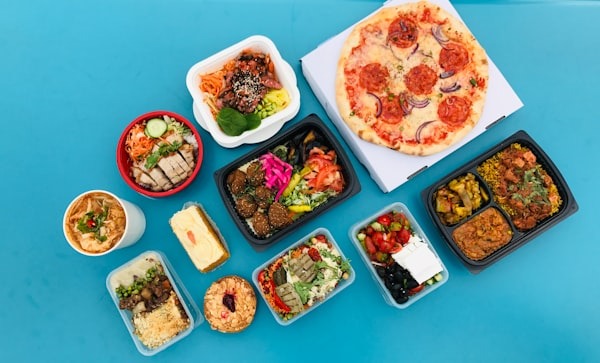
A hungry child in a new city can lose patience fast. Keep a “first-hour snack” ready for the moment you check in. Single-serve oatmeal packets, small boxes of crackers and dried fruit work well in a carry-on.
For a small treat, a palm-size sprinkle mix from bulk jimmies can make hotel yogurt or plain pancakes more appealing to picky eaters. Check ingredients and allergens on the product page before purchasing or packing anything new, especially if your child has a known sensitivity.
If your child eats fresh fruit, Hong Kong’s wet markets and supermarkets usually stock familiar options like bananas, apples and grapes year-round. A short grocery run on day two can restock your snack kit for the rest of the trip.
Eating Out with Kids: What to Expect
Family-style sharing is common in Hong Kong, which works well for groups with children. Ask for extra small plates and let kids choose from shared dishes. High chairs are available at many sit-down restaurants, but availability varies. Call ahead or check the restaurant’s website to confirm, especially during busy weekend lunch hours.
Indoor restaurants and most indoor public places in Hong Kong are smoke-free under local law. If you dine at a venue with outdoor seating, note that designated smoking areas may be nearby. The Department of Health’s Tobacco Control Office provides current details.
Many restaurants add a 10% service charge to the bill automatically. Tipping beyond this is not expected in most casual spots, though practices vary at higher-end venues. Check the specific restaurant’s website or ask your server so there are no surprises.
If you plan to visit a meal spot near an MTR station with a stroller, verify lift availability and gate widths in advance. The MTR Corporation website lists accessibility details by station, which is helpful when choosing between two otherwise similar dining areas.
Outdoor and Terrace Options When Kids Need Room
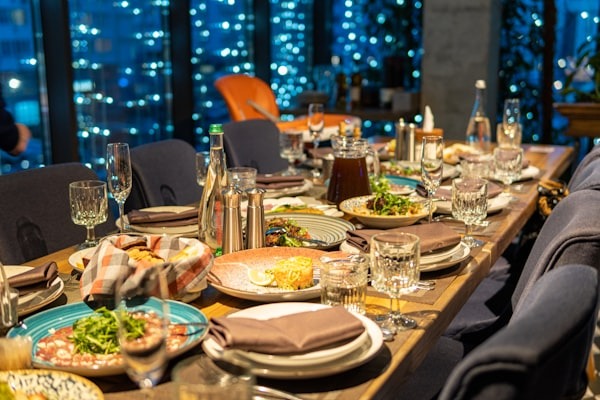
Sometimes children need room to move. Parkside cafes and terrace seating can give families a little breathing space without disrupting other diners. When you want stroller space and fresh air, look at AL Fresco dining options in Central and review menus, hours and seating layout before you book.
Outdoor tables can also help during early jet-lag days, when your family may be eating at off-peak hours and a quiet terrace feels easier than a packed dining room.
Food Halls and Markets Without the Overwhelm
Hong Kong’s food halls and cooked-food centres can feel busy at first. A simple system helps: do one quick lap to scan the stalls, let kids point to dishes in the display cases and then split up so one parent orders while the other holds a table.
Contactless payment is increasingly accepted, but smaller stalls may prefer cash. Carry some Hong Kong dollars in small denominations for these stops. Hand wipes and a pack of tissues are useful because not all stalls provide napkins.
Allergies and Special Diets
Carry any doctor-approved allergy medications in your day bag, not just in checked luggage. Show your printed allergy translation cards before ordering, then point to the specific menu items you are considering. No kitchen can guarantee zero cross-contact, so treat this step as risk reduction rather than an absolute safeguard.
For tap water, the Water Supplies Department states that Hong Kong’s treated water meets WHO guidelines. Water quality at your specific accommodation may still vary depending on the building’s plumbing. Check with your hotel and consider bottled or boiled water for young children if you prefer extra caution.
Sample Kid-Friendly Day of Meals
- Breakfast at the hotel or a nearby bakery, such as egg tarts and plain toast.
- Picnic-style lunch from a food hall with fruit from a grocery store.
- Afternoon snack break in a park with items from your snack kit.
- Early dinner at a restaurant with outdoor seating or a terrace.
- Dessert walk for egg waffles or mango mochi from a street stall.
Money and Payment Basics
Many restaurants in Hong Kong accept credit cards and contactless payment, but smaller shops and market stalls may only take cash. The Octopus card works at convenience stores, some restaurants and on public transport, making it a useful option for families.
As mentioned earlier, a service charge is common at sit-down restaurants. Beyond that, tipping norms vary. The Hong Kong Tourism Board website offers general guidance, but checking with the individual venue is the most reliable approach.
Wrap-Up
The system is simple: plan meals around your family’s energy, keep snacks within reach, choose venues with space when possible and verify details on the day you plan to visit. Most dining stress comes from decisions made under pressure, so front-loading a few choices before you leave home can make the trip feel easier.
FAQ
These quick answers cover the food and dining questions families often have before visiting Hong Kong.
Can I bring snacks into Hong Kong from the US?
You can bring many packaged snacks, but restrictions apply to fresh produce, meat products and dairy in certain quantities. Check the Hong Kong Centre for Food Safety and Customs and Excise Department websites for current rules before you pack.
Do I need reservations when dining with kids?
For popular restaurants, especially on weekends, reservations help. For casual noodle shops, congee spots and food halls, walk-ins are typical. Booking ahead for your first two nights reduces stress while you adjust to the time zone.
Are high chairs common in Hong Kong restaurants?
Many mid-range and family-friendly restaurants offer high chairs, but availability is not universal. Confirm with the restaurant directly before arriving, particularly at smaller or older establishments.
Is tap water safe to drink in Hong Kong?
Hong Kong’s treated tap water meets WHO standards according to the Water Supplies Department. Building plumbing can vary, so check with your hotel. Using bottled or boiled water for young children is a common precaution among visiting families.
How do we pay at food halls and market stalls?
Larger food halls increasingly accept contactless payment and Octopus cards. Smaller stalls may only take cash. Carrying a mix of both is the easiest approach.
What time do families usually eat dinner in Hong Kong?
Local families often eat between 6:30 and 8:00 p.m. Arriving at the earlier end of that window tends to mean shorter waits and more available high chairs, which is especially helpful during your first jet-lagged evenings.
Check out our Travel Adventure videos below!


Meg is an author at Cinnamon Hollow. She writes on a variety of topics sharing tips and ideas for daily life.