You have a recipe everyone asks for and a shop unit in mind. The less familiar part is the paperwork.
This guide covers the approvals a small dine-in eatery or café in Singapore usually needs. Requirements vary by concept, location and fit-out, so use it as a planning checklist and confirm current details with the relevant agencies before committing money.

First decisions that affect your licences
Start with your business registration and the premises’ approved use. These decisions shape the applications that follow.
Register your business with ACRA
Register your business with the Accounting and Corporate Regulatory Authority (ACRA) to obtain a Unique Entity Number (UEN). A sole proprietorship, partnership and private limited company have different ownership and liability implications, so choose a structure that suits how you plan to run the business.
Check what your premises can be used for
For private premises, check the approved use with the Urban Redevelopment Authority (URA). Converting a unit to restaurant use may require planning permission. For HDB shops, check HDB’s requirements. Confirm the necessary approvals, fees and processing times before signing a long lease or starting renovations.
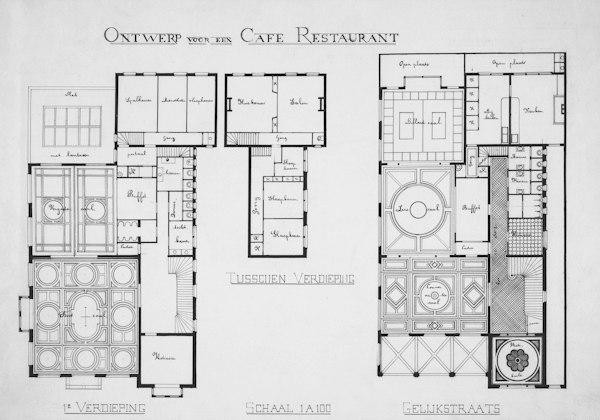
Your core approval: the SFA Food Shop Licence
A typical restaurant, café or takeaway shop needs a Food Shop Licence from the Singapore Food Agency (SFA). Apply through GoBusiness. SFA lists the annual licence fee as S$195; confirm the current fee when applying.
The usual sequence is:
- Submit your application and layout plan for review, and obtain in-principle approval.
- Complete the fit-out according to the accepted plan and meet any conditions.
- Complete the required inspection and pay the licence fee.
Prepare your premises-use approval, tenancy documents, layout plan and any cleaning or pest-control information SFA requests. Smart City Kitchens outlines the licensing process in its guide, which can help you organise your paperwork. Use SFA’s current instructions to confirm the documents needed for your application.
Allow time to address inspection findings. Submitting an application or receiving in-principle approval does not mean you can open: you need a valid Food Shop Licence before trading, and it must be displayed at the premises. Once the licence is issued, many owners use the window before the official opening date for a soft launch, which is a low-pressure way to test the kitchen, the menu and the service flow with real customers.
Food safety basics every outlet should plan for
Build training, cleaning and hygiene supervision into your opening plan rather than leaving them until the inspection.
Training for food handlers
Food handlers must complete the required WSQ Food Safety Course Level 1 training and meet SFA’s refresher-training requirements. Check each worker’s training record and arrange any required course before they handle food.
Food Hygiene Officers and the SAFE framework
A Food Hygiene Officer (FHO) is a trained staff member who oversees hygiene practices. Check whether your type of establishment must appoint one and what qualifications are required.
SFA’s Safety Assurance for Food Establishments (SAFE) framework affects grading and food safety requirements. Check the current criteria for your outlet rather than assuming that every small café and larger food establishment has the same obligations.
Add-ons that depend on your concept
Decide early whether alcohol or entertainment is part of your business plan, as these can require separate approvals.
Serving alcohol
Selling or serving alcohol generally requires a liquor licence from the Singapore Police Force. The licence class determines the permitted activities and hours. Check the conditions for your intended service, including required notices and age restrictions.
Live music or performances
Live music, singing or dancing may require a Public Entertainment Licence from the Police unless an exemption applies. Check the rules for your proposed activity through GoBusiness before booking performers or advertising events.
Imports, signboards, sanitation and fire safety
If you import ingredients yourself, check SFA’s licensing or registration requirements for the food category. Products such as meat and seafood also have specific import conditions. Buying from a local supplier is different from acting as the importer.
Before installing an outdoor sign, check whether it needs a licence or other approval from the Building and Construction Authority (BCA). Confirm any applicable URA requirements and obtain the necessary permissions before installation.
Check whether your premises fall under the National Environment Agency’s Environmental Sanitation regime. Covered premises have additional requirements for cleaning, disinfection and oversight.
Confirm the applicable Singapore Civil Defence Force (SCDF) fire-safety requirements before fitting out the kitchen. Plan for kitchen exhaust maintenance and check whether your premises require an emergency response plan and evacuation drills.
Money and people
Tax registration and staffing rules are separate from food licensing, but both can affect your opening budget.
GST registration
GST registration can be compulsory if your taxable turnover exceeded S$1 million in the previous calendar year, or if you reasonably expect it to exceed S$1 million in the next 12 months. Check the Inland Revenue Authority of Singapore (IRAS) rules for the test and application deadline that apply to your business.
Hiring help
Restaurants fall within the Ministry of Manpower’s (MOM) services sector, where the combined S Pass and Work Permit quota is 35% of the total workforce. Use MOM’s calculator and check current sub-quotas, eligibility rules and levies before making hiring commitments.
A simple opening checklist
Use this sequence to organise your applications, while allowing related tasks such as staff training to run alongside the fit-out:
- Register with ACRA and obtain your UEN.
- Confirm the premises’ approved use and any required URA or HDB permission.
- Apply for the SFA Food Shop Licence, complete the accepted fit-out and meet inspection requirements.
- Ensure food handlers have completed the required training.
- Obtain liquor or entertainment licences if your concept needs them.
- Secure any required signboard approvals before installation.
- Put cleaning, pest-control and applicable sanitation arrangements in place.
- Confirm fire-safety compliance.
- Review your GST registration obligations.
- Check staffing quotas and work-pass requirements.
The f&b license Singapore guide provides a useful overview for reviewing this sequence alongside the agencies’ current instructions.
Bringing it all together
Start with the business and premises, then work through the food licence and any approvals your concept needs. Keep application documents, training records and renewal dates together. Smart City Kitchens can help you frame your initial questions; confirm the answers with the relevant agencies before spending on renovations or setting an opening date.
Frequently asked questions
How early should I apply for the SFA Food Shop Licence?
Apply before fit-out is complete, allowing time for review, inspection and corrections.
Can I open after submitting the licence application?
No. Wait until SFA issues a valid licence.
Does every café need a liquor licence?
Only cafés serving alcohol generally need one.
Where should I confirm current requirements?
Check SFA, URA, HDB, SCDF, and other relevant agency websites.