Construction projects involve numerous moving parts, from workforce coordination and material deliveries to scheduling, budgeting, safety, and quality control. When these elements are not properly managed, small inefficiencies can quickly lead to delays and higher costs. Construction companies can improve project efficiency by streamlining communication, adopting better planning methods, using technology strategically, and creating processes that keep teams aligned from start to finish.
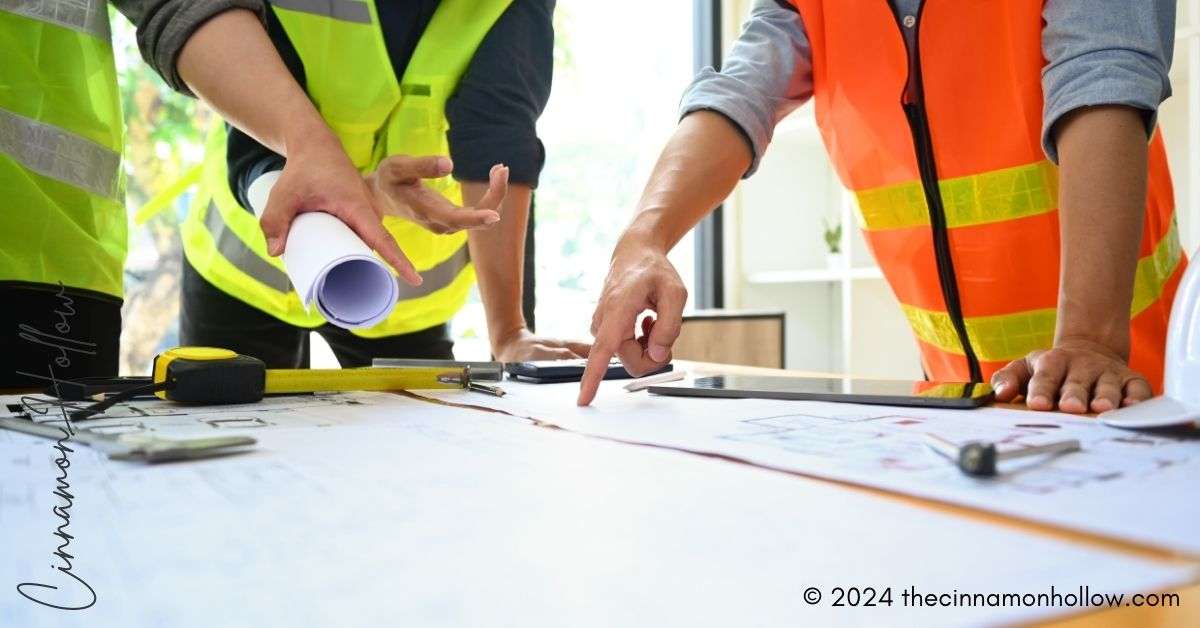
Strengthen Project Planning From the Beginning
Effective project efficiency starts well before construction work begins. A detailed plan gives project managers and workers a clear understanding of what needs to happen, when it needs to happen, and who is responsible for each task. Without adequate planning, teams may encounter preventable problems such as material shortages, scheduling conflicts, unclear responsibilities, or unexpected downtime.
Construction companies should establish realistic project schedules that account for labor availability, material lead times, equipment requirements, inspections, and potential disruptions. Breaking a large project into smaller milestones makes progress easier to track and allows managers to identify problems before they affect the entire schedule.
A strong plan should also define project objectives, budgets, quality expectations, and communication procedures. When everyone understands the project’s priorities, teams can make decisions more consistently and avoid wasting time on tasks that do not contribute to the overall goals.
Set Clear Responsibilities
Clearly assigning responsibilities can eliminate confusion on busy construction sites. Every team member should know what they are expected to accomplish and who they should contact when an issue arises.
Project managers can use responsibility lists, task schedules, and regular progress meetings to clarify assignments. When responsibilities are documented rather than assumed, there is less risk of duplicated work or important tasks being overlooked.
Improve Communication Across Construction Teams
Communication is one of the most important factors affecting construction project efficiency. A project can have an excellent schedule and sufficient resources, but poor communication can still cause costly mistakes. Workers, subcontractors, suppliers, engineers, and project managers need access to accurate information at the right time.
Construction companies should establish consistent communication channels for different types of information. Urgent site issues may require immediate communication, while routine updates can be included in scheduled meetings or project reports. The key is to make sure important information reaches the people who need it without creating unnecessary communication overload.
Documentation is equally important. Changes to plans, material specifications, deadlines, and responsibilities should be recorded so teams have a reliable reference. This can reduce misunderstandings and provide a clear record when questions arise later.
Hold Short, Focused Meetings
Long meetings can take valuable time away from productive work. Instead, teams can use short, structured meetings focused on current priorities, upcoming tasks, safety concerns, and potential obstacles.
Daily or weekly check-ins can help managers identify problems early. For example, if a delivery is expected to arrive late, the team can adjust its schedule before workers are left waiting on-site.
Use Construction Technology Strategically
Technology can significantly improve construction project management when it is introduced to solve specific operational problems. Digital tools can help teams organize schedules, track tasks, manage documents, record site information, and communicate updates more efficiently.
Instead of relying heavily on paper records and disconnected spreadsheets, companies can centralize relevant project information. This makes it easier for authorized team members to find current schedules, drawings, reports, and task information without searching through multiple sources.
Technology can also improve field-to-office communication. Workers can report progress or identify issues from the job site, allowing managers to respond more quickly. For example, a company may use the Biddi app to support certain aspects of communication, coordination, or project management, depending on its available features and workflow.
Automate Repetitive Administrative Tasks
Construction managers often spend considerable time handling repetitive administrative responsibilities. Scheduling updates, progress reports, document organization, timesheet processing, and routine notifications can consume hours that could otherwise be devoted to project oversight.
Where appropriate, automation can reduce this burden. Digital systems can help organize recurring information and minimize manual data entry. However, automation should complement human decision-making rather than replace professional judgment, particularly for safety, quality, and complex site decisions.
Manage Materials and Equipment Efficiently
Material and equipment management has a direct effect on construction productivity. When workers do not have the materials or equipment they need, progress can stop. At the same time, ordering excessive quantities can tie up capital and create storage challenges.
Companies should maintain accurate records of material requirements, delivery schedules, current inventory, and expected usage. Procurement teams can coordinate closely with project managers to ensure materials arrive when they are needed rather than too early or too late.
Equipment should also be monitored carefully. Construction companies can establish maintenance schedules and inspection procedures to reduce unexpected breakdowns. Keeping frequently used equipment in reliable working condition can prevent downtime and support consistent productivity.
Coordinate Deliveries With Site Progress
Deliveries should be scheduled around the project’s actual progress and available storage space. Receiving materials too early can create congestion, while late deliveries may leave workers unable to complete planned tasks.
A coordinated delivery schedule allows teams to prepare appropriate storage areas and arrange labor or equipment for unloading. It can also reduce unnecessary movement of materials around the site, saving time and improving site organization.
Monitor Productivity and Project Progress
Construction companies cannot improve efficiency effectively without measuring performance. Tracking project progress provides valuable information about whether teams are meeting planned milestones and where resources may be getting wasted.
Useful performance indicators can include task completion rates, schedule variance, labor productivity, material usage, equipment downtime, rework levels, and project costs. The specific metrics should reflect the company’s objectives and the nature of the project.
Regular monitoring allows managers to compare actual progress with the original plan. If a particular activity is consistently taking longer than expected, managers can investigate the underlying cause rather than simply extending the deadline.
Identify the Causes of Delays
Not every delay has the same cause. Some result from poor scheduling, while others may be connected to weather, design changes, material availability, labor shortages, equipment problems, or coordination issues.
Understanding the cause is essential for improving future performance. After a project milestone or major disruption, teams can review what happened, why it happened, and what could be changed. This creates opportunities for continuous improvement rather than allowing the same problems to recur on future projects.
Reduce Rework Through Better Quality Control
Rework can significantly reduce construction efficiency because completed tasks may need to be corrected, removed, or performed again. It can consume labor and materials while potentially affecting other activities in the project schedule.
A proactive quality-control process can help identify problems earlier. Construction companies should establish clear quality standards and inspection procedures for important stages of work. Supervisors can verify that completed tasks meet specifications before subsequent work covers or depends on them.
Training also plays an important role. Workers who understand project requirements, construction methods, and quality expectations are better positioned to complete tasks correctly the first time.
Document Issues and Corrective Actions
When a quality issue occurs, teams should document what happened and how it was resolved. This creates useful information for identifying recurring problems.
If similar issues repeatedly appear, managers can examine whether the cause involves inadequate training, unclear specifications, unsuitable materials, poor coordination, or another factor. Addressing the underlying cause can improve productivity over the long term.
Prioritize Workforce Training and Collaboration
A skilled workforce is essential for efficient construction operations. Even sophisticated project-management systems cannot compensate for unclear procedures or insufficient training.
Construction companies should provide workers with appropriate training for their roles, equipment, safety requirements, and project-specific processes. Training should not be viewed solely as an onboarding activity. Refresher sessions can help teams stay familiar with updated procedures and new technologies.
Collaboration between experienced workers and newer team members can also improve knowledge sharing. Experienced employees often have practical insights into common site challenges, while newer workers may bring familiarity with updated methods or digital tools.
Encourage Employees to Report Problems
Workers are often the first people to notice inefficiencies on a construction site. They may recognize that a particular process causes unnecessary movement, that materials are difficult to access, or that a scheduling approach creates avoidable downtime.
Creating a workplace where employees can report these observations constructively can provide managers with valuable information. Companies can then evaluate suggestions and implement changes where they provide measurable benefits.
Improve Safety Without Sacrificing Productivity
Safety and efficiency should work together rather than being treated as competing priorities. Accidents, unsafe conditions, and inadequate procedures can cause injuries, work stoppages, investigations, equipment damage, and project delays.
A strong safety program should include regular site inspections, appropriate training, clear procedures, and accessible protective equipment. Workers should understand how to perform their responsibilities safely and what to do when they encounter a hazard.
Planning safety into daily operations can also reduce interruptions. When safe access routes, material storage, equipment placement, and work sequences are considered in advance, teams can perform tasks more smoothly while reducing unnecessary risks.
Create a Culture of Continuous Improvement
Improving construction project efficiency is not a one-time exercise. Construction companies should regularly review their processes and look for opportunities to make work more predictable, organized, and productive.
After completing a project, managers can conduct a review covering scheduling, communication, procurement, labor, quality, safety, and technology. Teams can identify which processes worked well and which created unnecessary delays or costs.
The lessons learned should be carried into future projects. By treating every project as an opportunity to improve, companies can gradually develop more efficient systems instead of repeatedly solving the same problems from scratch.
Efficiency also requires flexibility. Construction projects rarely proceed exactly as planned, so successful processes should allow teams to respond to changing conditions without losing sight of the project’s overall objectives. A combination of detailed planning, reliable communication, appropriate technology, skilled workers, and continuous evaluation can create a stronger foundation for consistent project performance.
Conclusion
Construction companies can improve project efficiency by combining better planning, stronger communication, effective technology, organized resource management, quality control, workforce development, and continuous improvement. Efficiency is not simply about completing work faster; it is about reducing avoidable delays, minimizing waste, maintaining quality, and coordinating people and resources effectively. With practical processes and consistent monitoring, construction teams can build more predictable and productive projects.

Meg is an author at Cinnamon Hollow. She writes on a variety of topics sharing tips and ideas for daily life.