
Collectible cards can be easy to damage and expensive to replace. Trading cards, sports cards, gaming cards, limited prints, and signed cards all need protection from fingerprints, moisture, sunlight, bending, dust, and poor handling.
A safe home storage system should do three things. It should protect the card surface, keep cards flat, and control the environment around the collection.
Good storage does not have to be complicated. It does need to be consistent.
Start With Clean Handling Habits
Most card damage starts during handling. Oils from fingers, rough surfaces, food residue, and bending can reduce condition before a card ever reaches storage.
Wash and dry hands before sorting cards. Avoid lotions or oils before handling valuable cards.
Work on a clean, flat table with enough space to move cards without stacking them carelessly.
Do not slide cards across hard surfaces.
Lift them gently by the edges and avoid touching the printed face when possible.
Use Sleeves Before Storage
The first layer of protection should be a sleeve. A sleeve helps protect the surface from fingerprints, light scuffs, dust, and minor edge contact.
A properly fitted card sleeve can help reduce surface wear before the card goes into a binder, deck box, top loader, or storage case.
Sleeving is especially important for holographic cards, foil cards, rare sports cards, signed cards, and cards used during play.
The sleeve should fit without squeezing the card.
If it is too tight, corners can catch during insertion. If it is too loose, the card can shift and rub inside the sleeve.
Add Rigid Protection for Valuable Cards
Sleeves protect the surface, but they do not prevent bending on their own. Valuable cards need a second layer of rigid protection.
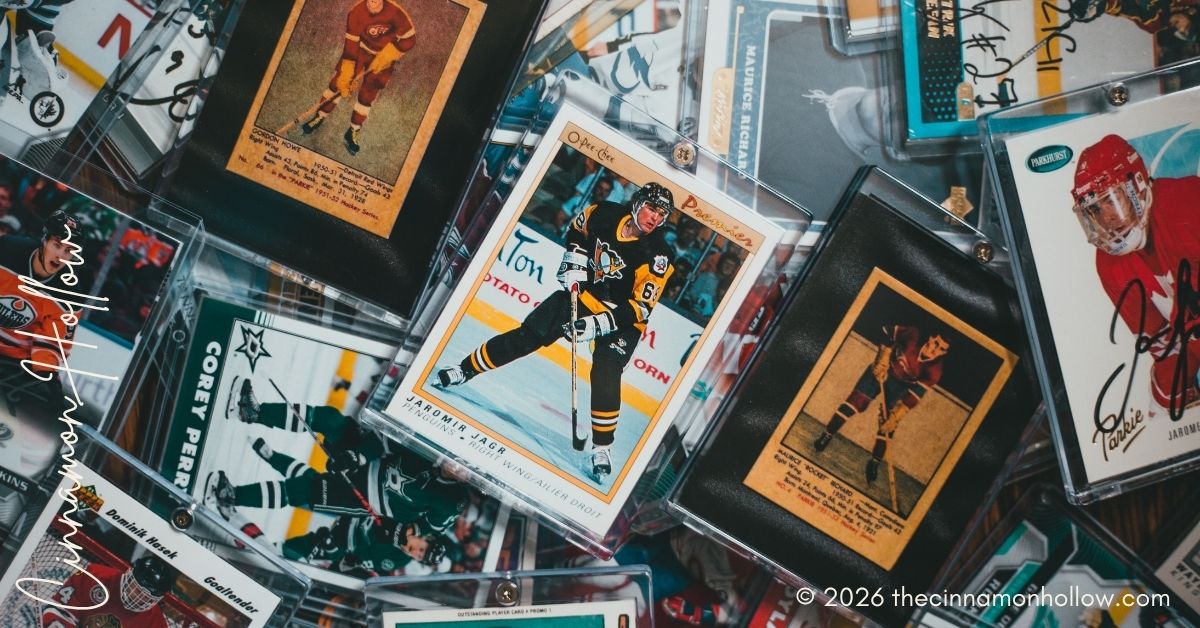
Top loaders, semi-rigid holders, magnetic cases, and graded slabs all serve different purposes.
Top loaders are useful for general storage and transport. Semi-rigid holders are often used for grading submissions. Magnetic cases can display higher-value cards, but they should fit correctly to prevent movement.
Never force a card into a rigid holder.
If the sleeve or holder catches the corner, stop and reposition the card.
Store Cards Upright and Supported
Cards should not be stored in loose piles. Stacking can cause pressure marks, edge wear, and surface scratches if cards move against each other.
Use storage boxes, binders, deck boxes, or cases designed for card dimensions.
Storage Methods to Consider
Common options include:
- Sleeved cards in card boxes
- Sleeved cards in binders
- Top-loaded cards in storage rows
- Graded cards in slab cases
- Decks in fitted deck boxes
- Display cards in UV-protected cases
Choose the method based on card value, frequency of use, and space available.
Cards stored upright should be supported so they do not lean heavily.
Too much empty space allows cards to shift. Too much pressure can bend edges.
Control Temperature and Humidity
Cards are made from paper, coating, ink, foil, and adhesive layers. These materials can react to moisture and heat.
High humidity can cause warping, swelling, sticking, and mold risk. Very dry conditions can make materials brittle. Heat can accelerate aging and damage foil surfaces.
Store cards in a stable indoor area.
Avoid attics, garages, basements, sheds, laundry rooms, bathrooms, and rooms with major temperature swings.
A closet, office cabinet, or interior room is usually safer.
Keep Cards Away From Sunlight
Sunlight can fade ink and damage card surfaces over time. Even indirect light can cause uneven fading if cards are displayed near windows.
If you display cards, use UV-protective frames or cases.
Rotate displays if needed and keep rare cards away from constant light exposure.
Do not leave cards on windowsills, shelves with direct sun, or inside vehicles.
Heat and light together can cause faster damage.
Organize by Value and Use
Not every card needs the same level of protection. A common card used for casual play can be stored differently from a signed rookie card or rare collectible.
Separate cards by value and purpose.
Useful Organization Categories
Practical categories include:
- High-value cards
- Graded cards
- Cards for play
- Cards for trade
- Complete sets
- Duplicates
- Sentimental cards
- Cards pending sale
This makes it easier to protect the most important cards and find items quickly.
Use labels on boxes and dividers, but avoid adhesive labels directly on sleeves or holders.
Avoid Overfilled Binders
Binders are useful, but poor binder habits can damage cards. Overfilled binders create pressure near the rings or spine.
Use side-loading pages when possible because they reduce the risk of cards sliding out.
Avoid three-ring binders for valuable cards if the rings press against pages. Ring dents can occur when pages shift.
Do not store binders flat under heavy items.
Keep them upright or in a supported position.
Protect Against Water and Accidents
A home collection should be protected from spills, leaks, pets, and children. Even a small water accident can damage many cards at once.
Keep cards off the floor.
Use sealed containers for long-term storage, especially in areas where leaks are possible.
Do not store drinks near sorting tables.
If the collection is valuable, consider documenting it with photos and inventory notes.
This can help with resale, insurance conversations, or replacement planning.
Final Thoughts
Collectible cards stay safer at home when they are handled carefully, sleeved properly, stored flat or upright with support, and protected from heat, humidity, sunlight, and accidents.
Start with clean handling and a good sleeve.
Then add rigid protection, stable storage, smart organization, and regular checks.
A consistent system helps preserve both the condition and long-term value of the collection.


